Technical Brief: Aeroponic Tower Development
Manufyn partnered with a domestic Agri-tech startup to transform an innovative vertical farming concept into a pilot-ready, manufacturable system. The project focused on creating a water-efficient, high-yield solution suitable for urban and commercial use.
Design and Engineering
We optimized the tower’s design for modular construction, ensuring it was lightweight yet structurally strong. Key engineering focus was placed on nutrient misting behavior and uniform distribution across all plant zones to ensure consistent growth.
Material Selection
Components were finalized using materials specifically chosen for:
-
UV Resistance: Ensuring long-term outdoor durability.
-
Chemical Compatibility: Withstanding constant exposure to nutrient solutions without degrading.
-
Moisture Protection: Preventing corrosion in high-humidity environments.
Prototyping and Scalable Manufacturing
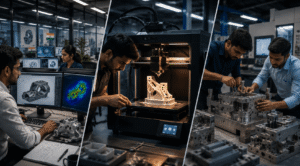
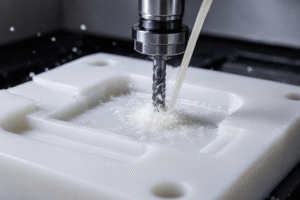
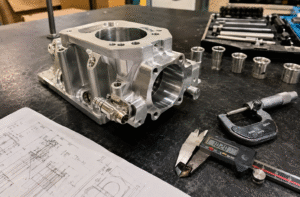
Using a rapid prototyping approach, we validated the assembly sequence and mist coverage through multiple iterations. To ensure the product was ready for mass production, we selected injection molding for repeatable plastic parts and precision machining for load-bearing structural components.
System Integration and Testing
The final towers underwent rigorous testing to ensure leak-free water circulation and structural stability under full operating loads. This end-to-end execution allowed the startup to move from a raw concept to a validated, production-ready product with significantly reduced technical risk.
Project Outcome
-
Concept to Pilot: Fully functional system delivered.
-
Scale-Up Ready: Design aligned with mass manufacturing from day one.
-
Speed: Faster time to market through single-partner coordination.
How Manufyn transformed an aeroponic concept into a pilot-ready, manufacturable vertical farming system
Client Overview
This aeroponic tower development project involved a domestic agri-tech startup working on an innovative vertical farming solution designed for high-yield, water-efficient agriculture. The concept focused on controlled nutrient delivery, compact footprint, and ease of assembly, making it suitable for both urban and commercial farming applications.
The startup approached Manufyn as a single development partner to convert this concept into a fully engineered and manufacturable product, ready for pilot deployment and future scale-up.
Project Scope
As part of this aeroponic tower development, Manufyn was responsible for managing the complete product lifecycle, ensuring speed, scalability, and manufacturability.
The scope included:
- Product engineering and design support
- Material selection for structural and functional components
- Prototype development and validation
- Manufacturing process selection and vendor coordination
- Assembly and system-level functional testing
This end-to-end ownership ensured faster execution and reduced coordination gaps during the aeroponic tower development cycle.
Engineering and Product Development Approach
Design for Aeroponics and Manufacturability
A critical phase in this aeroponic tower development was understanding real-world farming requirements. Manufyn worked closely with the startup to evaluate plant spacing, nutrient misting behavior, water circulation, and load conditions.
Based on these inputs, the design was optimized to ensure:
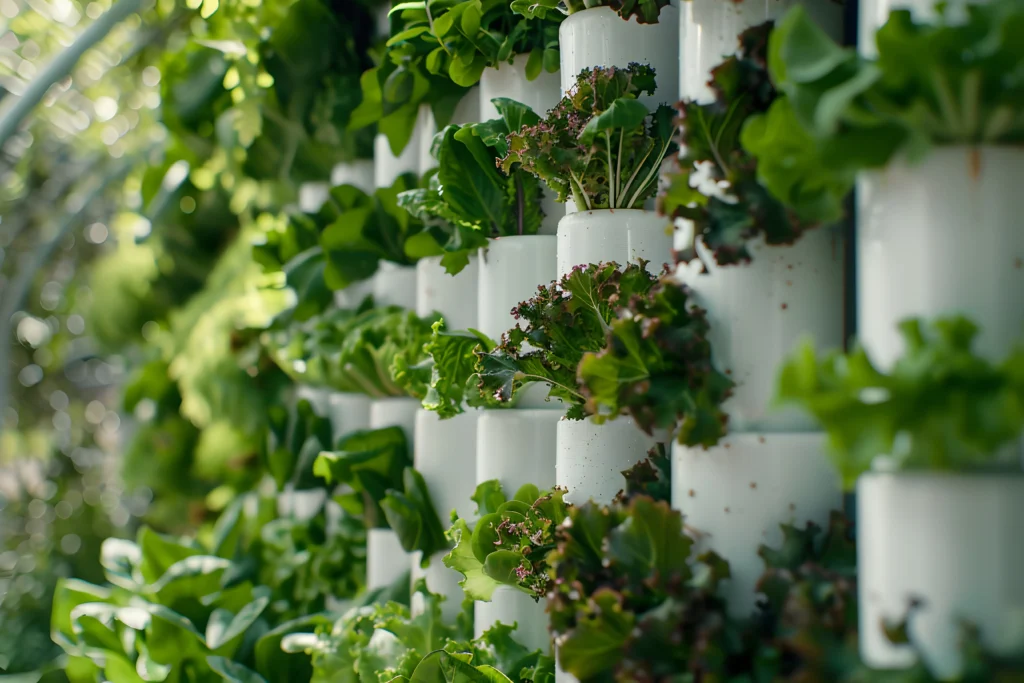
- Uniform nutrient distribution across all plant zones
- Structural strength while maintaining a lightweight configuration
- Modular construction for easy transport, installation, and scalability
- Design compatibility with mass manufacturing processes
Material Selection
Material selection played a key role in ensuring long-term performance of the aeroponic system.
For this aeroponic tower development, materials were finalized based on:
- UV resistance for long-term outdoor durability
- Chemical compatibility with nutrient solutions
- Resistance to moisture and corrosion
- Long-term structural and functional reliability
Rapid Prototyping and Validation
To accelerate the aeroponic tower development, a rapid prototyping approach was adopted to validate the concept quickly and iteratively.
- Prototype components were developed to evaluate fit, assembly sequence, and ergonomics
- Multiple iterations were carried out to improve airflow, mist coverage, and ease of maintenance
- Feedback from trial runs was incorporated into successive design refinements
This ensured that the design was validated under practical conditions before moving toward production.
Manufacturing Process Development
A scalable manufacturing strategy was defined early in the aeroponic tower development to avoid rework during scale-up.
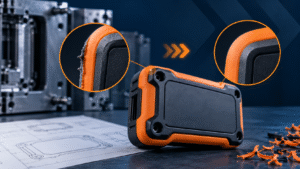
- Injection molding was selected for repeatable plastic components requiring consistency
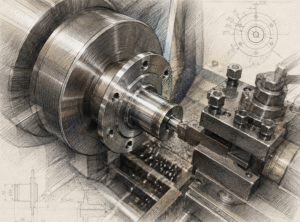
- Machining and fabrication were used for structural and load-bearing parts
- Secondary operations and finishing processes were implemented to ensure durability and aesthetics
The product design was aligned with manufacturing processes from the beginning, ensuring smooth transition to production.
Assembly and System Integration
The aeroponic tower was assembled and tested as a complete system to validate performance and usability.
During this stage of aeroponic tower development, Manufyn ensured:
- Proper alignment and fitment of all modular components
- Leak-free water circulation throughout the system
- Uniform misting across all plant zones
- Ease of disassembly for cleaning, maintenance, and servicing
Quality Control and Testing
Quality validation was critical to ensure reliability of the final product.
For this aeroponic tower development, comprehensive testing included:
- Structural stability verification under operating conditions
- Nutrient delivery performance testing for uniformity and efficiency
- Continuous operation testing for system reliability
- Validation of consistency across assembled units
Project Outcome
This aeroponic tower development project successfully achieved all objectives:
- A fully functional aeroponic tower was developed from concept to working product
- The design was validated for performance, usability, and manufacturability
- The system was ready for pilot deployment and future scale-up
- Development time was significantly reduced through single-partner execution
Value Delivered by Manufyn
- End-to-end support for aeroponic tower development under one roof
- Faster time to market for an early-stage agri-tech startup
- Cost-optimized design aligned with mass production
- Reduced technical and manufacturing risks through early validation
Conclusion
This case study highlights Manufyn’s strength in aeroponic tower development and system-level product engineering. By combining design expertise, rapid prototyping, and scalable manufacturing, Manufyn enabled the startup to transform an innovative concept into a practical, production-ready solution.
Building an agri-tech product or working on aeroponic tower development?
Share your concept to evaluate feasibility, prototyping, and scale-up pathways.