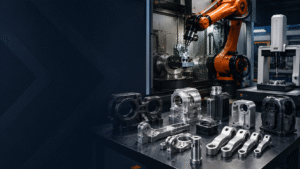
Tool steel is a category of high-carbon and alloy steels specifically engineered for manufacturing tools used in cutting, shaping, forming, and molding materials. These steels are designed to deliver exceptional hardness, wear resistance, and strength, allowing tools to maintain their shape and performance even under high mechanical stress.
Unlike standard carbon or structural steels, tool steels contain controlled amounts of alloying elements such as chromium, molybdenum, tungsten, and vanadium. These elements improve properties like heat resistance, hardness retention, and durability, which are essential for tools that operate under heavy loads or high temperatures.
Because of these characteristics, tool steel is widely used in industrial tooling applications including cutting tools, metal stamping dies, injection molds, punches, and shear blades. Industries such as automotive manufacturing, aerospace engineering, industrial machinery production, and metal fabrication rely heavily on tool steel to produce precision components and maintain consistent production quality.
This guide explores the fundamentals of tool steel, including its composition, properties, types, grades, heat treatment processes, and common industrial applications.
Need Precision Tool Steel Components for Your Manufacturing Project?
Connect with trusted manufacturers through Manufyn and produce high-quality tooling components built to your specifications.
What is Tool Steel?
Definition of Tool Steel
Tool steel is defined as a class of steels with high carbon content and carefully balanced alloying elements that enable the material to achieve superior hardness, wear resistance, and heat resistance. Through controlled heat treatment processes, tool steels can reach hardness levels that allow them to cut, form, or shape other metals without rapid wear.
These steels are typically used to produce industrial tools such as drill bits, dies, punches, molds, and cutting blades. The combination of hardness and durability ensures that tools maintain their geometry and cutting performance over extended use.
Why Tool Steel is Used for Industrial Tools
Industrial tools must withstand repeated mechanical stress, friction, and temperature changes during operation. Tool steel provides the performance characteristics needed to handle these conditions without losing shape or effectiveness.
Its high hardness allows cutting edges to remain sharp, while its wear resistance prevents rapid material loss during machining or forming processes. Additionally, certain tool steel grades maintain their hardness even at elevated temperatures, which is critical for high-speed machining and hot forming operations.
Because of these advantages, tool steel is widely used in manufacturing processes such as metal cutting, stamping, forging, and injection molding.
Key Characteristics of Tool Steel
Tool steel is valued for several key properties that make it suitable for demanding industrial applications.
- high hardness after heat treatment
- excellent wear resistance
- ability to retain hardness at high temperatures
- strong resistance to deformation under load
- good dimensional stability during heat treatment
These characteristics allow tool steel to perform reliably in tools that must repeatedly cut, shape, or form other materials without losing accuracy or durability.
Chemical Composition of Tool Steel
The performance of tool steel is largely determined by its chemical composition. Unlike standard carbon steels, tool steels contain carefully balanced alloying elements that improve hardness, wear resistance, heat resistance, and durability. These elements allow tool steels to maintain their performance under heavy loads, high temperatures, and repeated mechanical stress.
Carbon is the most important element in tool steel because it enables the material to achieve high hardness through heat treatment. However, additional alloying elements such as chromium, tungsten, molybdenum, and vanadium play a crucial role in improving tool life and performance in demanding industrial applications.
The combination of these elements allows tool steels to be customized for specific tooling requirements such as cutting, stamping, forging, or molding.
Common Alloying Elements in Tool Steel
Different alloying elements are added to tool steel to enhance specific properties. The following elements are commonly used in tool steel manufacturing.
| Element | Role in Tool Steel |
|---|---|
| Carbon | Provides hardness and wear resistance after heat treatment |
| Chromium | Improves hardness, wear resistance, and corrosion resistance |
| Tungsten | Enhances hot hardness and high-temperature strength |
| Vanadium | Increases wear resistance and refines grain structure |
| Molybdenum | Improves toughness and heat resistance |
| Cobalt | Enhances high-temperature performance and hardness retention |
| Silicon | Improves strength and heat resistance |
The exact composition varies depending on the type and grade of tool steel, which is why different grades are suited for different tooling applications.
How Alloy Composition Affects Performance
The proportion of alloying elements in tool steel directly affects its performance characteristics. For example, higher carbon content increases hardness and wear resistance but may reduce toughness. Similarly, elements such as molybdenum and tungsten improve performance at high temperatures, making them essential in tool steels used for high-speed machining.
Vanadium helps refine the grain structure of the steel, improving both wear resistance and strength. Chromium enhances hardenability and corrosion resistance, which helps tool steel maintain performance in industrial environments.
Balancing these elements allows manufacturers to design tool steels that perform effectively in specific applications such as metal cutting, forging dies, injection molds, and stamping tools.
Need Help Choosing the Right Tool Steel for Your Application?
Our engineering experts can help you select the ideal tool steel grade based on durability, wear resistance, and manufacturing requirements.
Key Properties of Tool Steel
Tool steel is specifically engineered to deliver a combination of mechanical properties that allow tools to perform reliably under extreme conditions. These properties enable tool steel to withstand high mechanical loads, friction, and temperature variations without losing performance.
The most important properties of tool steel include hardness, wear resistance, toughness, hot hardness, and dimensional stability. Each of these characteristics contributes to the ability of tool steel to maintain cutting edges and structural integrity during demanding industrial operations.
Hardness
Hardness is one of the defining characteristics of tool steel. After heat treatment, tool steels can achieve extremely high hardness levels, allowing them to cut or shape other metals without significant wear.
Typical hardness levels for many tool steels range between 58 and 65 HRC, depending on the grade and heat treatment process used.
Wear Resistance
Wear resistance refers to the ability of a material to resist surface damage caused by friction or repeated mechanical contact. Tool steels are designed with alloying elements such as vanadium and chromium that improve resistance to abrasion and material loss.
This property is essential for tools that perform repetitive cutting, stamping, or forming operations.
Toughness
While hardness is important, tool steel must also maintain sufficient toughness to prevent cracking or failure under impact loads. Toughness ensures that tools can withstand sudden mechanical stresses during manufacturing processes.
Certain tool steel grades are specifically designed to provide higher toughness for applications involving shock or impact.
Hot Hardness
Hot hardness refers to the ability of a material to retain its hardness at elevated temperatures. This property is critical for cutting tools that operate at high speeds or temperatures.
High-speed tool steels are specifically engineered to maintain hardness even when exposed to the heat generated during machining operations.
Dimensional Stability
Dimensional stability ensures that tool steel components maintain their shape and dimensions during heat treatment and operation. This property is particularly important for precision tools such as molds and dies, where even small dimensional changes can affect product quality.
| Property | Typical Range |
|---|---|
| Hardness | 58 – 65 HRC |
| Tensile Strength | Varies by grade |
| Wear Resistance | High |
| Toughness | Moderate to high |
| Heat Resistance | High |
These mechanical characteristics allow tool steel to maintain consistent performance in applications involving cutting, shaping, and forming materials.
Types of Tool Steel
Tool steels are classified into different categories based on their composition, heat treatment methods, and intended applications. Each type of tool steel is designed to perform under specific working conditions such as high temperature, heavy impact, or extreme wear.
Understanding these categories helps engineers select the most suitable tool steel for cutting, forming, or molding operations.
Water Hardening Tool Steel (W Series)
Water hardening tool steels are among the simplest types of tool steel and are typically made with high carbon content and minimal alloying elements. These steels are hardened by rapid cooling in water during the heat treatment process.
W series tool steels are commonly used for tools that operate at relatively low temperatures and do not require high resistance to heat.
Typical applications include hand tools, chisels, punches, and simple cutting tools. While they offer high hardness and wear resistance, their performance can decrease at elevated temperatures.
Examples of water hardening tool steels include W1 and W2.
Cold Work Tool Steel
Cold work tool steels are designed for tools that shape or cut materials at relatively low temperatures. These steels provide excellent wear resistance and dimensional stability, making them suitable for tools that experience repeated mechanical contact.
Cold work tool steels are widely used in manufacturing processes such as stamping, blanking, and forming metal components.
Common grades include O1, A2, and D2, each offering different balances of hardness, toughness, and machinability.
Typical applications include:
- punches and dies
- metal stamping tools
- cutting blades
- forming tools
Hot Work Tool Steel
Hot work tool steels are designed to perform at elevated temperatures where other steels may lose hardness or strength. These steels contain alloying elements that help maintain structural integrity and hardness under heat.
They are commonly used in manufacturing processes where tools are exposed to high temperatures, such as die casting, forging, and extrusion.
Examples of hot work tool steels include H11, H12, and H13.
Typical applications include:
- die casting molds
- forging dies
- extrusion tooling
- hot stamping tools
High Speed Tool Steel
High speed tool steels are designed for cutting tools that operate at very high speeds and temperatures. These steels retain their hardness even at elevated temperatures generated during machining operations.
High speed steels are widely used for manufacturing precision cutting tools used in machining operations.
Common grades include M2, M4, and T1.
Typical applications include:
- drill bits
- milling cutters
- taps and reamers
- cutting tools used in CNC machining
Shock Resisting Tool Steel
Shock resisting tool steels are designed to withstand heavy impact loads without cracking or breaking. These steels provide a good balance between toughness and hardness.
They are commonly used in applications where tools experience sudden mechanical forces.
Examples include S1 and S7 tool steels.
Typical applications include:
- chisels
- punches
- shear blades
- impact tools
Special Purpose Tool Steel
Special purpose tool steels are designed for specific applications where unique performance characteristics are required. These steels may offer enhanced machinability, improved wear resistance, or specialized heat treatment behavior.
Examples include the P series, L series, and F series tool steels.
These steels are commonly used in plastic molding tools, specialized dies, and industrial manufacturing equipment.
Looking for Precision Tool Steel Components?
Manufyn connects businesses with trusted manufacturers capable of producing high-quality tool steel parts for industrial applications.
Common Tool Steel Grades and Their Applications
Different tool steel grades are developed to meet the performance requirements of specific tooling applications. These grades vary in composition, hardness, toughness, and resistance to heat or wear.
Selecting the right grade is important to ensure tool longevity, production efficiency, and consistent manufacturing quality.
| Grade | Category | Key Characteristics | Typical Applications |
|---|---|---|---|
| O1 | Cold work | Good hardness and machinability | Knives, cutting tools |
| A2 | Cold work | Air hardening, good wear resistance | Punches, forming dies |
| D2 | Cold work | High wear resistance | Industrial cutting tools |
| H13 | Hot work | Excellent heat resistance | Die casting molds |
| M2 | High speed | High hot hardness | Drill bits, milling cutters |
| S7 | Shock resistant | High impact resistance | Punches, chisels |
O1 Tool Steel
O1 tool steel is a cold work tool steel known for its good machinability and ability to achieve high hardness through oil quenching. It is widely used for tools that require sharp cutting edges and moderate wear resistance.
Common uses include knives, punches, and forming tools.
A2 Tool Steel
A2 tool steel is an air-hardening cold work tool steel that provides a good balance of wear resistance and toughness. It is commonly used for dies and punches where dimensional stability during heat treatment is important.
D2 Tool Steel
D2 tool steel is known for its high chromium content and exceptional wear resistance. It is often used for industrial cutting tools and dies that experience heavy abrasion during operation.
H13 Tool Steel
H13 is a hot work tool steel designed to perform at elevated temperatures. It provides excellent resistance to thermal fatigue and is widely used in die casting and extrusion tools.
M2 Tool Steel
M2 is one of the most widely used high-speed tool steels. It retains hardness at high temperatures and is commonly used in cutting tools such as drill bits, taps, and milling cutters.
S7 Tool Steel
S7 tool steel is designed for applications involving heavy shock loads. It offers excellent toughness and is used for tools such as chisels, punches, and shear blades.
Heat Treatment of Tool Steel
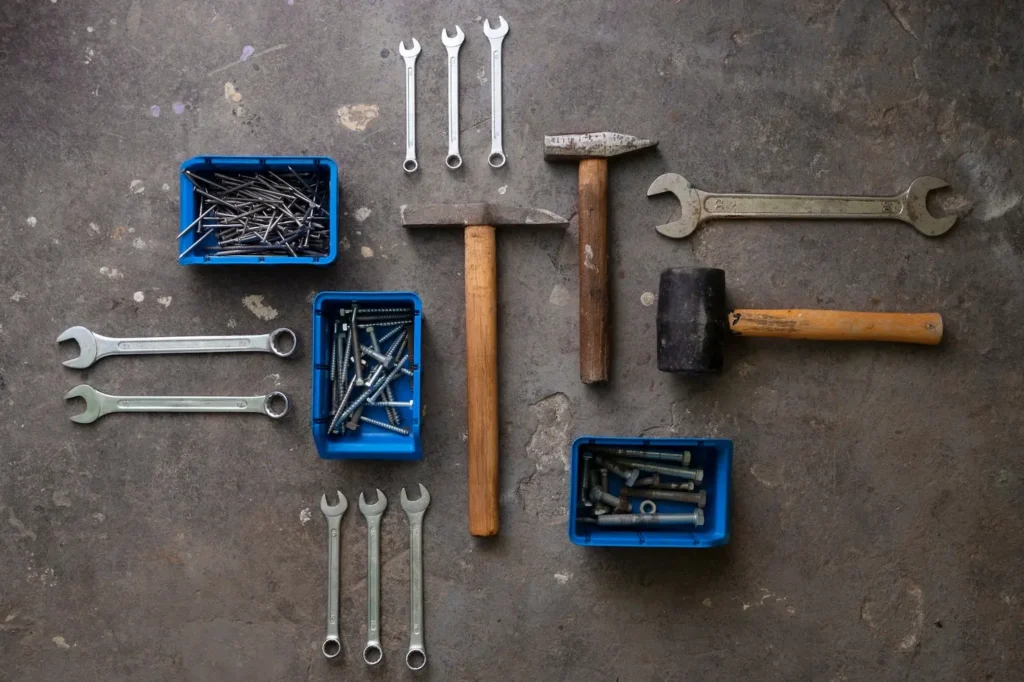
Heat treatment is a critical process in tool steel manufacturing because it determines the final hardness, strength, and wear resistance of the material. Proper heat treatment allows tool steels to achieve the mechanical properties required for cutting, shaping, and forming other materials.
The process typically involves controlled heating and cooling cycles that alter the internal microstructure of the steel. These transformations increase hardness while maintaining the toughness necessary to prevent cracking or failure during operation.
Different tool steel grades require specific heat treatment procedures depending on their alloy composition and intended application.
Annealing
Annealing is performed to soften tool steel and improve machinability before further processing. During annealing, the steel is heated to a controlled temperature and then cooled slowly inside the furnace.
This process relieves internal stresses and reduces hardness, making the material easier to machine or shape during manufacturing.
Annealed tool steel is typically used during the early stages of tool production when machining operations are required to achieve precise dimensions.
Hardening
Hardening is the most important step in tool steel heat treatment. In this process, the steel is heated to a high temperature and then rapidly cooled, usually through quenching in oil, water, or air depending on the steel grade.
Rapid cooling transforms the microstructure of the steel into martensite, which significantly increases hardness and wear resistance.
The exact hardening temperature varies by grade but generally falls within the range of 800°C to 1200°C.
Tempering
After hardening, tool steel becomes extremely hard but may also become brittle. Tempering is performed to reduce brittleness while maintaining the desired hardness.
During tempering, the steel is reheated to a lower temperature and held for a controlled period before cooling. This process improves toughness and helps balance hardness with durability.
Many tool steels undergo multiple tempering cycles to achieve optimal mechanical properties.
Quenching Methods
The cooling method used during hardening has a significant impact on the final properties of tool steel.
Common quenching methods include:
- Water quenching, which provides rapid cooling but may increase the risk of cracking
- Oil quenching, which offers a controlled cooling rate and reduces distortion
- Air hardening, used for certain tool steels that can harden effectively with slower cooling
Selecting the appropriate quenching method depends on the grade of tool steel and the required hardness.
| Process | Typical Temperature Range |
|---|---|
| Annealing | 750°C – 900°C |
| Hardening | 800°C – 1200°C |
| Tempering | 150°C – 650°C |
Proper heat treatment ensures that tool steel tools maintain their hardness, durability, and dimensional stability during demanding industrial operations.
Need Precision Tool Steel Parts Manufactured to Exact Specifications?
Manufyn connects businesses with experienced manufacturers capable of producing high-performance tool steel components.
Machining Tool Steel
Machining tool steel requires specialized techniques because of its high hardness and wear resistance. While tool steels can be machined in the annealed condition, machining becomes significantly more challenging once the material has been hardened.
Proper machining practices help ensure dimensional accuracy while reducing excessive tool wear and production costs.
Machinability of Tool Steel
Tool steels generally offer moderate machinability when they are in the annealed condition. However, the presence of alloying elements such as chromium, tungsten, and vanadium can increase hardness and reduce machinability compared with standard carbon steels.
Because of this, tool steel components are usually machined before final heat treatment whenever possible.
Cutting Tool Materials
Due to the hardness of tool steel, manufacturers typically use advanced cutting tools capable of handling high cutting forces and temperatures.
Common cutting tool materials include:
- carbide cutting tools
- ceramic cutting tools
- coated cutting inserts
These tools provide improved durability and allow for more efficient machining operations.
Machining Challenges
Several challenges can arise when machining tool steel. High hardness can lead to rapid tool wear, while heat generated during machining can affect tool life and surface finish.
Additionally, certain tool steels may experience work hardening, which increases resistance to further cutting operations.
Careful control of cutting parameters helps reduce these challenges.
Need Precision Tool Steel Components for Your Manufacturing Project?
Connect with trusted manufacturers through Manufyn and produce high-quality tooling components built to your specifications.
Applications of Tool Steel
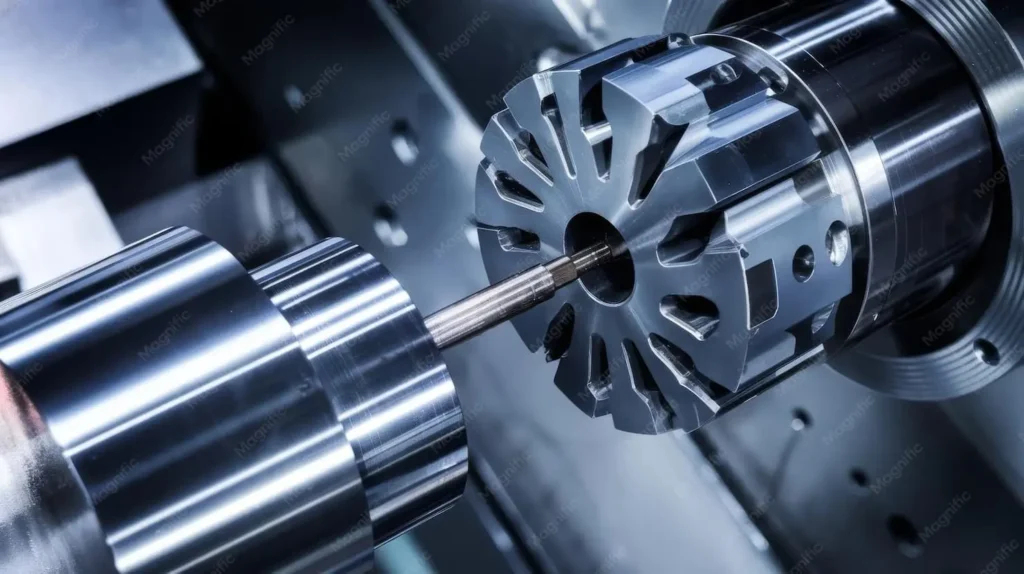
Tool steel is widely used in manufacturing industries where tools must withstand high mechanical stress, friction, and repeated use. Its high hardness, wear resistance, and ability to retain strength at elevated temperatures make it an essential material for producing industrial tools and precision components.
Because different grades of tool steel are designed for specific working conditions, manufacturers select tool steels based on factors such as operating temperature, impact loads, and required wear resistance.
Cutting Tools
Tool steel is commonly used to manufacture cutting tools that shape or remove material during machining operations. High-speed tool steels are particularly suitable for cutting tools because they retain hardness even at high temperatures generated during machining.
Examples of cutting tools made from tool steel include drill bits, milling cutters, taps, reamers, and broaches.
Industrial Dies
Dies used in metal forming operations require high wear resistance and strength. Tool steels provide the durability needed to withstand repeated pressing or shaping of metal sheets.
Cold work tool steels such as D2 and A2 are commonly used for stamping dies, blanking dies, and forming dies.
Injection Molds
Tool steels are frequently used in injection molding tools that shape plastic components. Mold steels must maintain dimensional accuracy and resist wear caused by repeated molding cycles.
Grades used for mold manufacturing provide good machinability and dimensional stability during heat treatment.
Forging Tools
Forging operations expose tools to high temperatures and mechanical loads. Hot work tool steels such as H13 are commonly used to manufacture forging dies and extrusion tools because they maintain strength at elevated temperatures.
These steels help ensure consistent shaping of metal components during forging processes.
Metal Stamping Tools
Metal stamping tools require both hardness and wear resistance to withstand repetitive impacts during production. Tool steels used in stamping operations must maintain their edge and shape to ensure consistent product quality.
Applications include punches, dies, and forming tools used in automotive and industrial manufacturing.
Industrial Blades and Shear Tools
Tool steels are also used to manufacture industrial cutting blades and shear tools. These tools must maintain sharp edges while cutting materials such as metal sheets, plastics, and industrial materials.
The high hardness and wear resistance of tool steel make it suitable for these demanding cutting operations.
Need Custom Tool Steel Components for Your Manufacturing Process?
Manufyn connects businesses with trusted manufacturers capable of producing precision tool steel parts for industrial tooling applications.
Advantages of Tool Steel
Tool steel offers several advantages that make it one of the most widely used materials for manufacturing industrial tools and precision components. Its unique combination of hardness, durability, and heat resistance allows tools to maintain performance even under demanding operating conditions.
These advantages enable manufacturers to produce tools that provide long service life and consistent performance in high-volume production environments.
High Hardness
One of the most important advantages of tool steel is its ability to achieve extremely high hardness after heat treatment. This hardness allows cutting tools and dies to maintain their shape and sharp edges during repeated use.
High hardness also helps reduce wear and extend the operational life of tools used in manufacturing processes.
Excellent Wear Resistance
Tool steel is designed to resist abrasion and surface wear during continuous operation. Alloying elements such as chromium and vanadium improve wear resistance, making the material suitable for tools that experience repeated contact with other materials.
This property is especially important in applications such as stamping dies and industrial cutting tools.
Heat Resistance
Certain tool steel grades are designed to retain their hardness at elevated temperatures. This property, often referred to as hot hardness, allows tools to perform effectively in high-temperature environments such as forging, die casting, and high-speed machining.
Long Tool Life
Because of their hardness and wear resistance, tools made from tool steel generally last longer than those made from conventional steels. This reduces tool replacement frequency and improves production efficiency.
Longer tool life also helps manufacturers maintain consistent product quality during large production runs.
Dimensional Stability
Tool steels maintain dimensional accuracy during heat treatment and operation. This stability is critical for precision tools such as molds and dies where even small dimensional changes can affect manufacturing results.
Maintaining accurate tool dimensions helps ensure consistent product quality and reliable manufacturing performance.
Need Precision Tool Steel Components for Your Manufacturing Project?
Connect with trusted manufacturers through Manufyn and produce high-quality tooling components built to your specifications.
Limitations of Tool Steel
Although tool steel offers excellent hardness, wear resistance, and durability, it also has certain limitations that must be considered when selecting materials for industrial applications. Understanding these limitations helps engineers and manufacturers choose the right steel grade for specific tooling requirements.
While tool steels perform exceptionally well in demanding mechanical environments, their high hardness and alloy content can make manufacturing and maintenance more complex.
Higher Cost Compared to Standard Steels
Tool steels are generally more expensive than carbon steels or basic alloy steels. The higher cost is primarily due to the presence of alloying elements such as tungsten, vanadium, chromium, and molybdenum, as well as the specialized heat treatment processes required to achieve the desired properties.
For applications where extreme hardness or wear resistance is not required, manufacturers may choose alternative steel types to reduce material costs.
Difficult Machining After Hardening
Once tool steel has been hardened through heat treatment, it becomes extremely difficult to machine. The high hardness that makes tool steel ideal for cutting and forming tools also increases resistance during machining operations.
For this reason, most tool steel components are machined in the annealed condition before undergoing final heat treatment.
Risk of Brittleness
If tool steel is not properly tempered after hardening, it may become brittle. Excessive brittleness can increase the risk of cracking or failure under impact loads.
Careful control of the heat treatment process is necessary to balance hardness and toughness for the intended application.
Limited Corrosion Resistance
Most tool steels are not designed to provide strong corrosion resistance. Unlike stainless steels, tool steels typically contain lower chromium content and lack the alloy composition needed to resist corrosion in harsh environments.
When tools are exposed to moisture or corrosive chemicals, protective coatings or proper storage methods may be required to prevent rust.
Tool Steel vs Other Types of Steel
Tool steel is often compared with other steel categories when engineers are selecting materials for manufacturing applications. Each type of steel offers different performance characteristics depending on factors such as hardness, corrosion resistance, and machinability.
Understanding these differences helps determine when tool steel is the most suitable choice.
Tool Steel vs Carbon Steel
Carbon steel is widely used in structural applications because it is relatively inexpensive and easy to manufacture. However, carbon steel generally lacks the hardness and wear resistance required for industrial tooling.
Tool steel contains higher carbon content and additional alloying elements that allow it to achieve significantly higher hardness after heat treatment. This makes tool steel far more suitable for manufacturing cutting tools, dies, and molds.
| Property | Tool Steel | Carbon Steel |
|---|---|---|
| Hardness | Very high after heat treatment | Moderate |
| Wear Resistance | High | Lower |
| Cost | Higher | Lower |
| Typical Applications | Cutting tools, dies | Structural components |
Tool Steel vs Stainless Steel
Stainless steel is designed primarily for corrosion resistance. It contains higher chromium content, which forms a protective oxide layer that helps prevent rust and corrosion.
Tool steel, on the other hand, prioritizes hardness and wear resistance rather than corrosion resistance. While some tool steels contain chromium, they generally do not offer the same level of corrosion protection as stainless steels.
| Property | Tool Steel | Stainless Steel |
|---|---|---|
| Corrosion Resistance | Low to moderate | High |
| Hardness | Very high | Moderate |
| Wear Resistance | High | Moderate |
| Typical Applications | Cutting tools, molds | Food processing, chemical equipment |
Tool Steel vs High Speed Steel
High speed steel is actually a specialized category of tool steel designed specifically for cutting tools used at high speeds. It retains hardness at elevated temperatures generated during machining operations.
Compared with standard tool steels, high speed steels contain additional alloying elements such as tungsten and molybdenum that enhance hot hardness.
High speed steels are commonly used for drill bits, milling cutters, and machining tools that operate at high cutting speeds.
Need Help Selecting the Right Steel for Your Manufacturing Application?
Manufyn helps engineering teams choose the right materials and connect with manufacturers capable of producing precision metal components.
Tool Steel Standards and Classification
Tool steels are classified using standardized systems that define their composition, heat treatment behavior, and intended applications. These classification systems help engineers, manufacturers, and procurement teams select the correct tool steel grade based on performance requirements.
One of the most widely used classification systems is the AISI (American Iron and Steel Institute) tool steel classification, which groups tool steels according to their heat treatment methods and primary applications.
These standards ensure consistency in material composition and performance across manufacturers and industries.
AISI Tool Steel Classification System
The AISI system categorizes tool steels into several groups based on how they are hardened and where they are typically used.
| Series | Description | Common Grades |
|---|---|---|
| W Series | Water hardening tool steel | W1, W2 |
| O Series | Oil hardening cold work tool steel | O1, O2 |
| A Series | Air hardening cold work tool steel | A2 |
| D Series | High carbon, high chromium cold work steel | D2 |
| H Series | Hot work tool steel | H11, H13 |
| M Series | Molybdenum high-speed tool steel | M2 |
| T Series | Tungsten high-speed tool steel | T1 |
| S Series | Shock resisting tool steel | S7 |
| P Series | Plastic mold tool steel | P20 |
| L Series | Low alloy special purpose tool steel | L6 |
This classification system allows engineers to quickly identify tool steel types based on their performance characteristics and intended tooling applications.
ASTM Standards for Tool Steel
Tool steel is also covered under several ASTM standards that specify material composition, mechanical properties, and production requirements.
Common ASTM specifications include:
- ASTM A681 for tool steels used in industrial applications
- ASTM A600 for high-speed tool steels
- ASTM A686 for carbon tool steels
These standards ensure consistent material quality across different manufacturers and suppliers.
International Equivalent Standards
Tool steels may also be designated using different international standards depending on the region.
| Standard | Example Designation |
|---|---|
| AISI | D2, H13, M2 |
| DIN | X153CrMoV12 |
| JIS | SKD11 |
| ISO | Various tool steel classifications |
Understanding these equivalents helps manufacturers source materials globally while maintaining consistent performance specifications.
Looking for High-Quality Tool Steel Manufacturing Partners?
Manufyn connects businesses with trusted manufacturers specializing in precision tooling and industrial component production.
How to Choose the Right Tool Steel Grade
Selecting the correct tool steel grade is essential for ensuring tool performance, durability, and cost efficiency. Different tool steels are designed to perform under specific working conditions such as high temperatures, heavy impact loads, or continuous wear.
Engineers must evaluate several factors before choosing a tool steel grade for manufacturing applications.
Wear Resistance Requirements
Applications involving repeated cutting or contact with hard materials require tool steels with high wear resistance. Grades such as D2 and M2 are often selected for tools that experience heavy abrasion during operation.
Higher wear resistance helps extend tool life and maintain consistent cutting performance.
Operating Temperature
Tools exposed to elevated temperatures require steels that maintain hardness under heat. Hot work tool steels such as H13 are specifically designed for applications such as die casting and forging where tools are exposed to extreme temperatures.
For high-speed machining operations, high-speed tool steels provide excellent hot hardness.
Impact Loads
Tools subjected to sudden mechanical loads require steels with high toughness. Shock-resisting tool steels such as S7 provide improved resistance to cracking when tools experience heavy impact forces.
This property is critical for applications such as chisels, punches, and shear blades.
Machinability and Manufacturing Considerations
Certain tool steels are easier to machine in the annealed condition than others. When manufacturing complex tools or molds, machinability becomes an important factor in reducing production time and cost.
Engineers often consider both machinability and heat treatment requirements when selecting a tool steel grade.
Why Manufacturers Choose Manufyn for Tool Steel Components
Manufacturing high-performance tooling components requires both the right material selection and reliable production capabilities. Manufyn helps businesses connect with experienced manufacturers capable of producing precision tool steel components for industrial applications.
By working with a network of trusted suppliers, Manufyn simplifies the process of sourcing high-quality tooling components while ensuring consistent manufacturing standards.
Access to Specialized Tooling Manufacturers
Tool steel components often require specialized machining, heat treatment, and finishing processes. Manufyn’s manufacturers have the expertise and equipment required to produce complex tooling parts.
These manufacturing partners follow strict quality standards to ensure that tooling components meet engineering specifications.
Engineering Expertise and Material Selection Support
Choosing the right tool steel grade can significantly impact tool life and manufacturing efficiency. Manufyn works with experienced manufacturers who understand the performance characteristics of different tool steels.
This expertise helps engineering teams select the most suitable material based on wear resistance, temperature exposure, and mechanical loads.
Scalable Manufacturing Solutions
Whether a project requires prototype tooling or large-scale production, Manufyn helps businesses find manufacturers capable of handling different production volumes.
This flexibility allows companies to move efficiently from product development to full-scale manufacturing.
Ready to Manufacture Precision Tool Steel Components?
Work with Manufyn to connect with trusted manufacturers and produce high-quality tooling components built to your engineering specifications.
Frequently Asked Questions About Tool Steel
Tool steel is primarily used to manufacture industrial tools that cut, shape, or form other materials. Common applications include drill bits, milling cutters, dies, molds, punches, and industrial blades. Because tool steel offers high hardness and wear resistance, it allows tools to maintain their shape and performance during repeated manufacturing operations.
Tool steel differs from regular carbon or structural steel because it contains higher carbon content and additional alloying elements such as chromium, vanadium, molybdenum, and tungsten. These elements improve hardness, wear resistance, and heat resistance. As a result, tool steel can withstand the demanding conditions involved in cutting, stamping, and forming operations.
Tool steel is generally classified into several categories based on its composition and heat treatment method. The main types include water hardening tool steel, cold work tool steel, hot work tool steel, high speed tool steel, and shock resisting tool steel. Each category is designed for specific tooling applications depending on temperature exposure, wear conditions, and impact loads.
Some of the hardest tool steel grades include D2, M4, and certain high-speed tool steels. These steels can achieve extremely high hardness after heat treatment, which allows them to maintain sharp cutting edges and resist abrasion. However, very high hardness often reduces toughness, so the choice of grade depends on the specific tooling application.
Yes, most tool steels can rust because they do not contain enough chromium to provide strong corrosion resistance. Unlike stainless steel, tool steels are primarily designed for hardness and wear resistance rather than corrosion protection. In environments where moisture or chemicals are present, protective coatings or proper storage are often used to prevent rust.
Tool steel generally provides higher hardness and wear resistance than most stainless steels, especially after heat treatment. However, stainless steel offers significantly better corrosion resistance. The choice between the two materials depends on whether the application requires greater durability and hardness or better resistance to corrosion.
Yes, tool steel is specifically designed to be heat treated. Heat treatment processes such as hardening and tempering allow tool steels to achieve high hardness and improved wear resistance. These processes are essential for producing cutting tools and industrial dies that must maintain performance under heavy use.
High-speed tool steels such as M2 are commonly used for cutting tools because they retain hardness at high temperatures generated during machining. These steels provide excellent wear resistance and allow cutting tools to maintain sharp edges during high-speed operations.