The global manufacturing landscape has changed dramatically in the last decade. Rising costs, trade tensions, and supply chain disruptions have forced international brands to rethink their production strategies. For years, China dominated global manufacturing, but the tide is gradually turning.
Today, companies are exploring the “China + 1” strategy — diversifying their sourcing and production bases to reduce risk and dependency. And one country stands out as a powerful alternative: India.
With its cost-effective labor, improving infrastructure, and strong policy support, India is emerging as a preferred destination for global manufacturers across industries — from electronics and automotive to plastics and renewable energy.
This blog explores why global brands are increasingly choosing India over China for their manufacturing needs and how it’s becoming a central player in the global supply chain.
India vs China: Quick Comparison at a Glance
Here’s a snapshot of how India compares with China across key manufacturing factors:
|
Factor |
China |
India |
|
Labor Costs |
Rising steadily; average wage costs up 10–15% yearly |
30–40% lower on average; competitive skilled labor pool |
|
Government Incentives |
Limited subsidies for foreign firms |
Strong support under Make in India, PLI schemes, and ease-of-doing-business reforms |
|
Manufacturing Ecosystem |
Mature but cost-heavy; urban clusters saturated |
Rapidly developing with new industrial corridors and special economic zones |
|
Export Market Access |
High but facing trade restrictions from the US and EU |
Expanding export agreements and bilateral trade partnerships |
|
Sustainability Focus |
Improving but heavily industrialized |
Strong policy shift toward green and sustainable manufacturing |
|
Intellectual Property (IP) Protection |
Concerns persist over design duplication |
Strengthened IP framework aligned with WTO standards |
Verdict:
While China still has scale advantages, India offers a balance of affordability, flexibility, and trust — making it increasingly attractive to international buyers.
1. Competitive Manufacturing Costs Without Compromising Quality
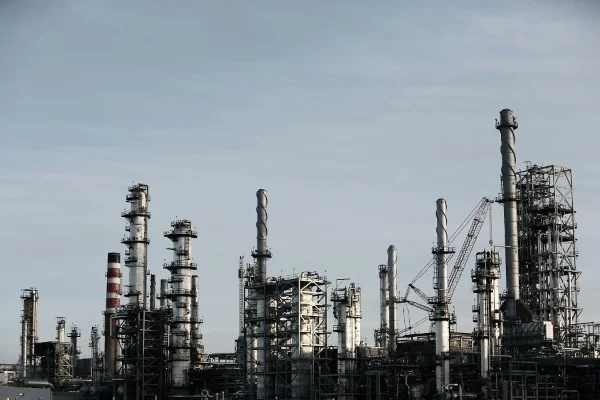
One of the biggest reasons brands are pivoting from China to India is cost efficiency.
India offers significantly lower labor and operational expenses while maintaining high-quality production standards.
The country’s vast pool of engineers, technicians, and skilled workers enables manufacturers to produce complex products — from precision injection-molded components to large-scale solar assemblies — at globally competitive prices.
For example, Apple’s assembly partners like Foxconn and Wistron have expanded their operations in southern India to reduce dependence on Chinese facilities. Similarly, global auto and industrial companies are finding Indian production both cost-effective and quality-consistent.
India’s advantage lies not only in cheaper production but in its ability to maintain global export quality. With better supply chain visibility, stringent QC processes, and access to modern manufacturing technologies, India offers exceptional value to companies seeking long-term partnerships.
2. Government Incentives & Policy Support (Make in India + PLI Schemes)
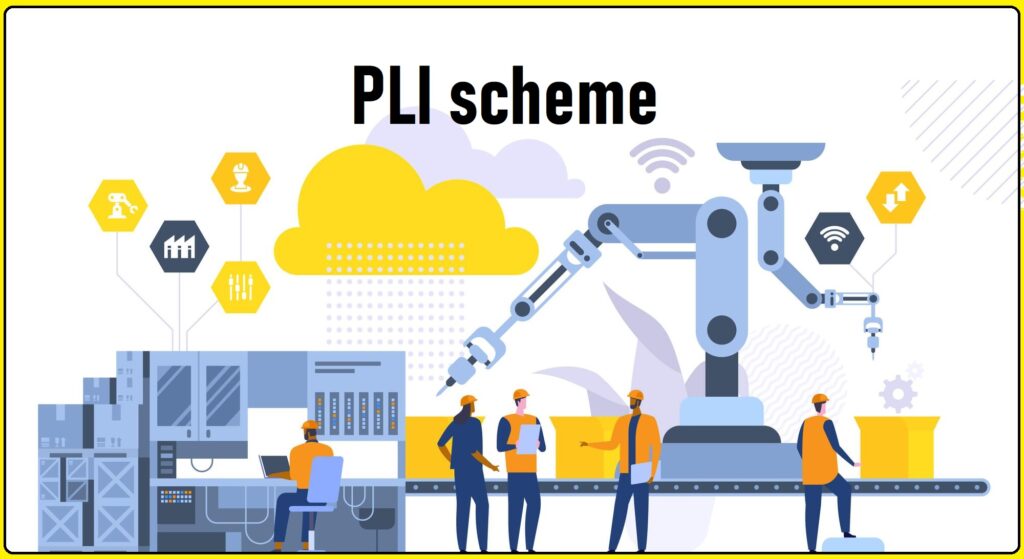
One of India’s biggest advantages in the India vs China manufacturing discussion is strong government backing for industrial growth.
Through initiatives like Make in India, Atmanirbhar Bharat, and the Production Linked Incentive (PLI) schemes, the Indian government is making it easier and more profitable for global manufacturers to set up operations or source locally.
Under these policies, manufacturers benefit from:
- Financial incentives based on production output and export value
- Simplified business regulations and faster company incorporation processes
- Reduced import duties on raw materials and components
- Sector-specific support for electronics, renewable energy, automotive, textiles, and medical devices
For global companies, this means lower entry barriers and better returns on investment when choosing India over China.
The PLI scheme alone has attracted billions in investments from global giants like Samsung, Foxconn, and Dixon Technologies, reinforcing India’s status as a global manufacturing hub.
These incentives aren’t just short-term perks — they’re part of India’s long-term vision to build resilient, export-ready industries that meet international standards.
3. Supply Chain Reliability and Diversification
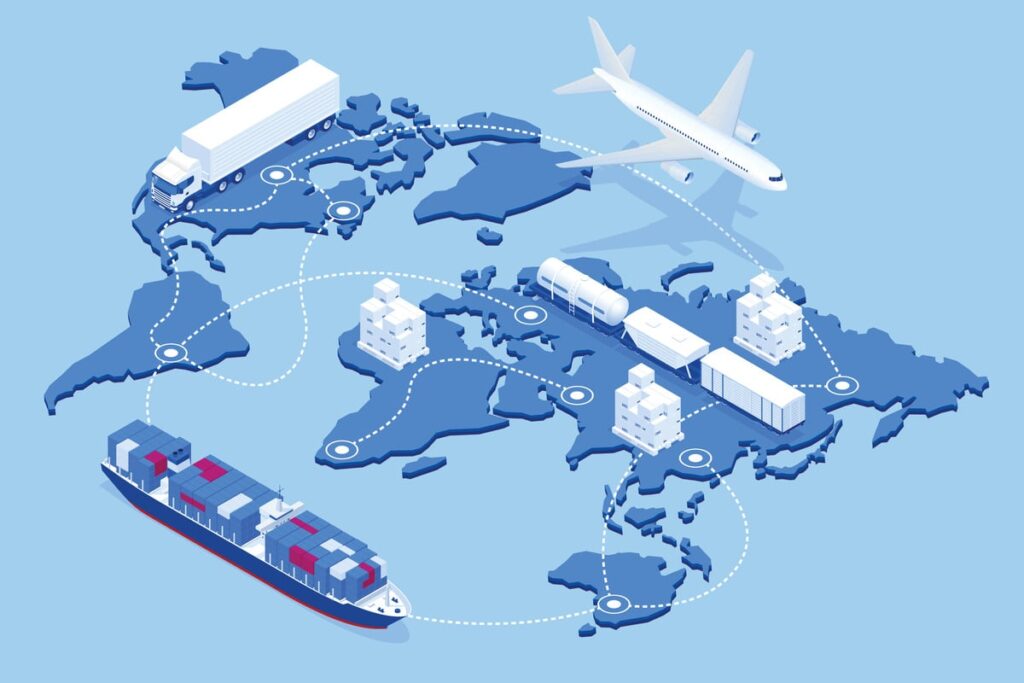
The COVID-19 pandemic exposed the vulnerabilities of a single-country manufacturing dependency. Supply chain disruptions, factory shutdowns, and logistic delays in China created massive losses for global brands.
In response, many companies began implementing supply chain diversification strategies — and India emerged as the top alternative.
Here’s why:
- India’s strategic geographic location allows easy trade with Europe, Africa, and Southeast Asia.
- The government’s push for modern logistics — such as dedicated freight corridors, upgraded ports, and better road connectivity — has drastically improved movement times.
- New industrial corridors like Delhi–Mumbai and Chennai–Bengaluru offer plug-and-play manufacturing zones for exporters.
Moreover, India’s vast network of supplier ecosystems across regions — from Gujarat’s engineering hubs to Tamil Nadu’s electronics and auto clusters — provides flexibility that many countries cannot match.
As a result, international buyers can now rely on India for both mass production and specialized contract manufacturing, without compromising supply reliability.
Partner with Manufyn — Your Trusted Manufacturing Partner in India
At Manufyn, we help global brands simplify their manufacturing journey in India — from product design and material sourcing to large-scale production and export delivery.
We combine engineering expertise, modern automation, and sustainable manufacturing practices to ensure world-class quality and on-time delivery.
Whether you’re exploring your first India-based production line or expanding your global footprint, we make it seamless, transparent, and cost-efficient.
👉 Talk to our manufacturing experts today to discuss your project and explore how India can become your next manufacturing advantage.
4. Technology and Automation Adoption
Another key reason brands are shifting from China to India is the rapid modernization of Indian factories.
Over the past few years, Indian manufacturers have embraced Industry 4.0 technologies such as IoT, robotics, and AI-driven automation. These tools enable higher precision, lower rejection rates, and more consistent production quality — often matching or exceeding Chinese standards.
Sectors like automotive, electronics, and plastics are leading this transformation. Factories are now equipped with smart production monitoring systems, data analytics dashboards, and automated material handling.
This evolution makes India more appealing to global brands looking for cost efficiency with technological sophistication.
Manufyn, for example, integrates advanced automation systems in its manufacturing facilities to deliver higher consistency, faster turnaround times, and reduced wastage — helping global clients achieve better ROI with zero compromise on quality.
5. Focus on Sustainable and Ethical Manufacturing
As global supply chains move toward ESG (Environmental, Social, and Governance) compliance, sustainability has become a major decision factor in where companies source and produce their goods.
India is making strong progress in this space. The country’s growing network of green-certified industrial parks, solar-powered factories, and waste recycling systems shows a clear shift toward eco-conscious manufacturing.
In comparison, many Chinese factories are still grappling with environmental scrutiny and higher carbon emissions. This gives India a clear edge when it comes to meeting sustainability and compliance expectations set by global buyers.
At Manufyn, we’re deeply committed to green manufacturing — integrating renewable energy, reducing waste, and optimizing energy efficiency across every production line.
For brands prioritizing ethical supply chains, India — and especially partners like Manufyn — offer a future-ready, responsible manufacturing base.
6. Access to Diverse Manufacturing Sectors
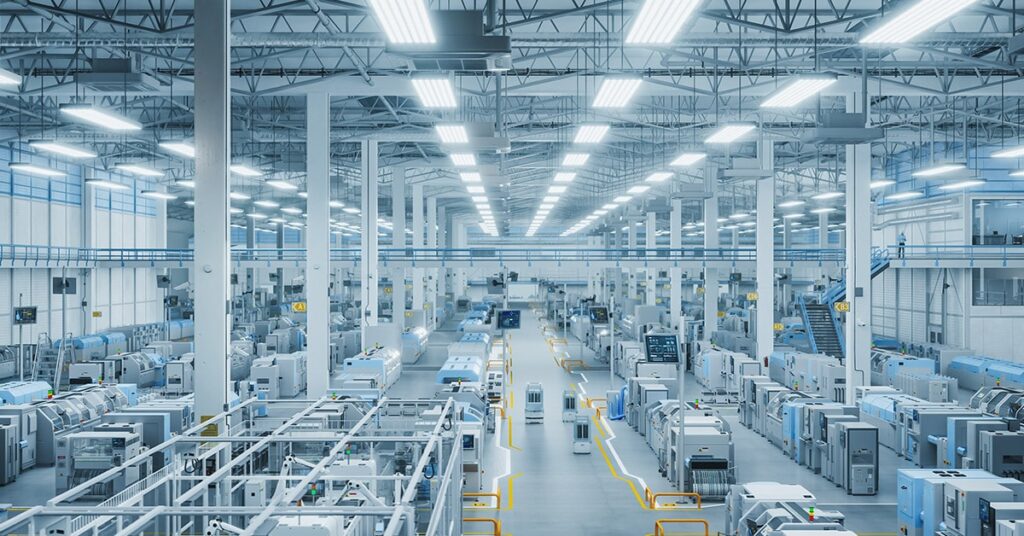
One of India’s biggest strengths is its sectoral diversity. Unlike countries dependent on a few key industries, India’s manufacturing base covers a vast range of sectors, including:
- Automotive and Components – Tier-1 suppliers for global OEMs
- Electronics and Electricals – Smartphone, semiconductor, and consumer goods production
- Plastics and Injection Molding – Precision components for industrial and consumer applications
- Textiles and Apparel – Global export leader with sustainable sourcing capabilities
- Renewable Energy and Solar Equipment – Rapidly expanding export-ready industry
This diversity ensures that global brands can source multiple components or finished products within one country, simplifying vendor management and logistics.
Whether you need contract manufacturing, OEM/ODM production, or end-to-end supply chain support, India offers flexibility and scalability unmatched by most other markets.
7. Stronger IP Protection and Ease of Doing Business

Intellectual Property (IP) theft has long been a concern for global brands manufacturing in China. India, on the other hand, has made major strides in strengthening IP laws and improving contract enforcement.
With policies like “Make in India” and Digital India, the government has streamlined business registrations, land acquisition, and export documentation — reducing red tape and improving investor confidence.
India’s alignment with global IP standards (WIPO, TRIPS) provides brands greater confidence when it comes to protecting proprietary designs, software, and product technology.
This means companies can innovate and scale their production in India without fear of replication or counterfeit products entering the market.
For businesses manufacturing through Manufyn, this translates to safe, transparent, and compliant production processes, backed by legal safeguards and global best practices.
8. Real Examples of Global Companies Shifting to India
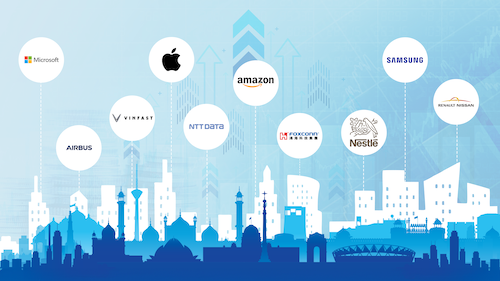
Several global giants have already made the move:
- Apple and its suppliers (Foxconn, Wistron, Pegatron) now produce over 14% of iPhones in India.
- Samsung operates one of the world’s largest mobile manufacturing plants in Noida.
- Dixon Technologies, a key Indian OEM, manufactures consumer electronics for international brands.
- Tata Group and Micron are investing heavily in semiconductor and electronics assembly.
These examples show that India is no longer an alternative — it’s becoming a primary global manufacturing destination.
With a skilled workforce, policy support, and competitive costs, India is perfectly positioned for global-scale production.
Manufyn is helping international clients transition smoothly by providing end-to-end support — from design and prototyping to manufacturing, assembly, and export.
Conclusion: Why Now Is the Time to Manufacture in India
The global manufacturing landscape is undergoing a massive shift, and India stands at the center of this transformation.
Lower costs, advanced technology, sustainable practices, and a strong export ecosystem make India the smart choice for businesses looking to reduce risk and boost profitability.
If you’re a global brand seeking a reliable manufacturing partner, now is the time to explore India’s potential.
Partner with Manufyn: Your Gateway to Smart, Sustainable Manufacturing in India
At Manufyn, we help international clients establish scalable, cost-efficient manufacturing operations in India.
From product design to mass production and export, we provide complete visibility, transparency, and quality control.
Let’s make your global supply chain smarter, faster, and more sustainable — with India as your base.
👉 Talk to our experts to start your manufacturing journey with Manufyn today.
FAQs
Rising labor costs, supply chain disruptions, and geopolitical risks in China are driving global brands to explore India, where they find lower costs, government incentives, and a growing manufacturing ecosystem.
India offers competitive labor costs, skilled talent, strong government support through initiatives like Make in India, and improved infrastructure for global trade.
For most manufacturing units, the payback period is between 3 to 5 years, after which the solar plant continues to produce free power for 20+ years.
Electronics, automotive, solar energy, medical devices, and consumer goods are currently leading the manufacturing growth in India.
The government provides incentives under schemes like PLI (Production-Linked Incentive), Make in India, and Digital India to encourage manufacturing and exports.
Manufyn offers end-to-end support including design, prototyping, vendor management, production, and logistics, ensuring quality, compliance, and cost efficiency.
India’s IP framework aligns with global standards (WIPO, TRIPS), ensuring strong protection of trademarks, designs, and technologies used in manufacturing.
Yes. Brands like Apple, Samsung, Foxconn, and Dixon Technologies have already expanded or shifted significant production operations to India.
India has rapidly modernized its ports, industrial corridors, and logistics networks, making it easier and faster to export globally from Indian manufacturing hubs.
Partnering with an experienced local manufacturing enabler like Manufyn simplifies the process — from plant setup and supplier selection to regulatory compliance and delivery.
Partner with Manufyn: Your Gateway to Smart, Sustainable Manufacturing in India
At Manufyn, we help international clients establish scalable, cost-efficient manufacturing operations in India.
From product design to mass production and export, we provide complete visibility, transparency, and quality control.
Let’s make your global supply chain smarter, faster, and more sustainable — with India as your base.
👉 Talk to our experts to start your manufacturing journey with Manufyn today.