In the fast-growing solar industry, time and cost are two factors that decide the success of every project. Whether it is a 1 MW rooftop system or a 100 MW utility-scale solar farm, delivering the project on time and within budget defines profitability and investor confidence.
However, solar EPC projects often face challenges such as delayed procurement, unpredictable weather, supply chain bottlenecks, and coordination gaps between engineering and construction teams. Each of these can lead to cost overruns and missed commissioning deadlines.
This is where effective EPC project management plays a crucial role. It ensures that every stage of the solar project, from design and engineering to procurement and installation, is executed with precision, accountability, and transparency.
By integrating smart planning, digital tracking tools, and clear communication between stakeholders, EPC project management helps solar developers achieve efficiency, minimize risk, and improve overall return on investment.
Understanding EPC Project Management in Solar
EPC stands for Engineering, Procurement, and Construction, and it represents a project delivery model where a single contractor takes full responsibility for end-to-end project execution. In solar projects, the EPC contractor handles everything from designing the plant layout to sourcing components, managing logistics, and installing the system until it is ready for commissioning.
This model ensures that clients deal with one accountable partner who manages timelines, costs, and performance standards. It eliminates the need to coordinate with multiple vendors or contractors, which often leads to delays or technical inconsistencies.
A well-structured solar EPC project management framework includes:
- Engineering: Designing the plant layout, optimizing energy generation, and selecting the right technology.
- Procurement: Sourcing high-quality solar modules, inverters, and balance-of-system components within budget.
- Construction: Managing installation, quality checks, and safety standards to ensure the project is completed on time.
In short, EPC project management in solar ensures smooth execution through unified planning, efficient procurement, and precise on-site implementation. It bridges the gap between design and delivery while keeping time and cost under control.
Key Challenges in Managing Solar EPC Projects
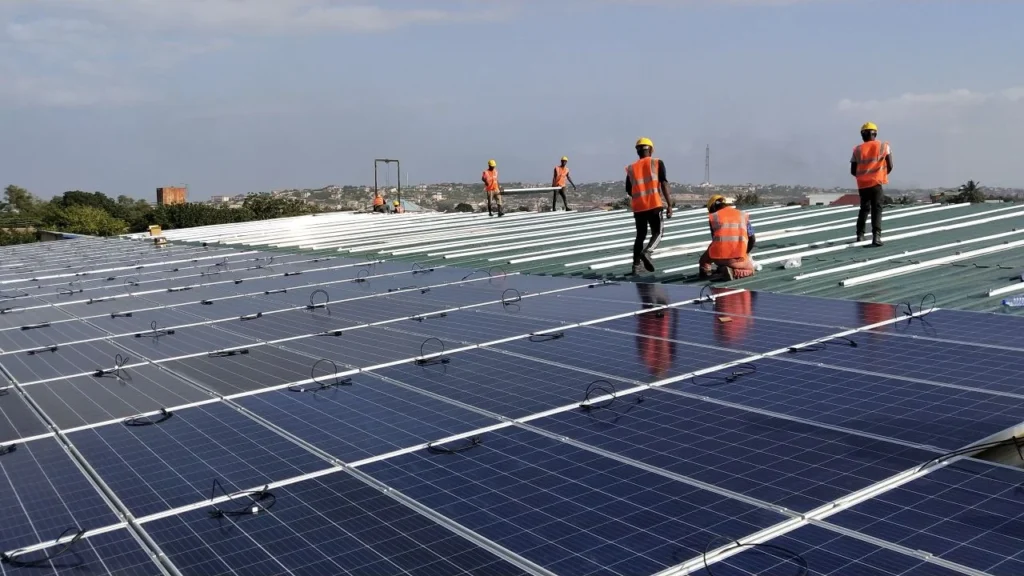
Delivering a solar project on time and within budget requires coordination between multiple moving parts — engineering design, procurement, logistics, installation, and regulatory approvals. Even a small disruption in one phase can cascade into cost overruns or delayed commissioning.
Here are some of the most common challenges EPC teams face during solar project execution:
1. Weather and Site Conditions
Solar projects are heavily influenced by local weather conditions. Unexpected rainfall, high winds, or extreme heat can slow down construction, delay material handling, and impact labor productivity. Managing such uncertainties requires flexible scheduling and contingency planning.
2. Procurement Delays
Solar EPC projects rely on timely delivery of panels, inverters, cables, and mounting structures. Supply chain disruptions, import delays, or vendor reliability issues can push back project timelines. A lack of procurement planning or dependence on single suppliers often leads to cost escalation.
3. Land and Regulatory Approvals
Acquiring land, securing environmental clearances, and obtaining grid connectivity approvals are among the biggest bottlenecks. Delays in permits or inspection approvals can hold up construction despite readiness in other areas.
4. Coordination Gaps Between Teams
With engineering, procurement, and construction often managed by separate teams or partners, lack of coordination can result in miscommunication, rework, or incompatible designs. Without centralized project tracking, small oversights quickly become major delays.
5. Cost Overruns and Budget Misalignment
Fluctuating raw material prices, transportation costs, and foreign exchange variations often impact project budgets. Without a robust cost-monitoring mechanism, expenses can exceed initial estimates before the project reaches completion.
6. Quality and Safety Management
Maintaining high safety standards and ensuring product quality across vendors and contractors is a constant challenge. Poor-quality materials or rushed installation work can compromise performance and lead to post-commissioning failures.
7. Lack of Real-Time Visibility
Traditional project management methods rely on manual reporting and delayed updates. Without real-time visibility into project progress and material movement, EPC managers struggle to identify risks early and take corrective actions in time.
Each of these challenges, if not addressed proactively, can delay project handover and reduce profitability. This is why structured EPC project management, supported by digital tools and process discipline, is vital for success in solar projects.
Proven Strategies for On-Time, On-Budget Solar EPC Delivery
Executing a solar EPC project successfully requires more than technical expertise — it demands precision planning, seamless coordination, and proactive management. The following strategies help ensure every solar project is completed on time, within budget, and at the highest standards of quality.
1. Detailed Pre-Project Planning and Scheduling
Every successful project begins with a strong foundation. Pre-project planning involves defining timelines, assigning responsibilities, and identifying risk areas before construction starts. Using tools like Gantt charts or digital project dashboards helps EPC teams visualize dependencies and manage milestones efficiently.
A realistic schedule that accounts for weather, logistics, and approval timelines prevents unexpected slowdowns during execution.
2. Vendor and Supply Chain Optimization
Procurement is one of the most critical aspects of solar EPC management. Partnering with reliable vendors and maintaining multiple supplier options can minimize risks of component shortages.
Automation in procurement, inventory tracking, and logistics planning helps ensure materials reach the site on time and at the best cost.
3. Transparent Progress Tracking
Regular progress tracking gives visibility into every phase of the project. By using digital dashboards and site-level reporting tools, EPC managers can monitor real-time updates on installation, deliveries, and inspection status.
This transparency allows for early identification of delays and quick corrective actions before they impact overall timelines.
4. Data-Driven Decision Making
Accurate data collection and analysis help teams make informed decisions. Monitoring performance metrics such as productivity rates, material usage, and cost variance ensures that project managers stay on top of every change. Predictive analytics can even forecast potential schedule slippages or budget overruns.
5. Real-Time Collaboration Between Teams
Seamless communication between design engineers, procurement managers, and site teams is key to smooth execution. Cloud-based project management tools enable all stakeholders to access updated project data, eliminating confusion and reducing rework.
6. Strong Quality and Safety Framework
Quality control should run parallel with construction, not after it. Regular inspections, checklists, and safety audits help maintain standards throughout the project. Adhering to national and international safety protocols protects both the workforce and long-term plant performance.
7. Continuous Risk Management
Risk assessment should not be a one-time activity. EPC teams must constantly identify and mitigate potential issues, such as component delays, cost escalations, or grid approval bottlenecks. Having contingency plans in place ensures timely recovery without impacting the budget.
When combined, these strategies create a system of accountability and control that improves reliability across every stage of the solar EPC process. It’s how leading EPC firms deliver large-scale solar projects with precision, predictability, and profitability.
Ready to Partner with a Trusted Solar EPC Expert?
Whether you’re planning a new solar installation or optimizing your existing one, Manufyn delivers reliable, cost-efficient EPC project management tailored to your industrial goals.
End-to-end solar EPC execution
On-time delivery and zero quality compromise
Transparent project tracking and reporting
The Role of Technology in Solar EPC Project Management
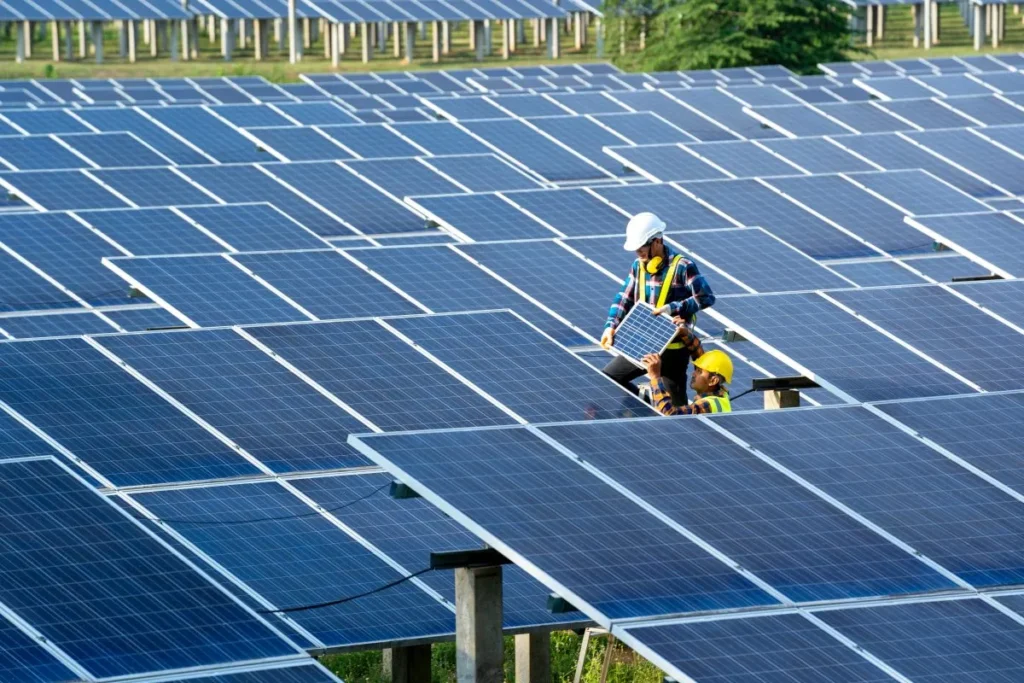
Technology has become the backbone of modern solar EPC project management. As project sizes scale from kilowatts to multi-megawatts, manual tracking and traditional management approaches are no longer sufficient. Digital tools now play a vital role in ensuring projects stay on schedule, within budget, and aligned with quality benchmarks.
Here’s how technology drives smarter EPC project execution:
1. Digital Project Management Platforms
Advanced project management software gives EPC teams complete visibility into timelines, resources, and costs. These tools enable centralized scheduling, task tracking, and milestone reporting, helping managers identify bottlenecks early and maintain accountability at every level.
2. BIM (Building Information Modeling) for Design Accuracy
BIM technology allows EPC teams to create 3D digital models of solar plants before construction begins. It helps detect design clashes, optimize space usage, and visualize component placement. This leads to faster approvals, fewer errors, and more efficient on-site assembly.
3. IoT-Enabled Monitoring Systems
Internet of Things (IoT) sensors collect real-time data from the project site — such as temperature, energy yield, and equipment status. This continuous data flow helps project managers monitor construction quality and ensure optimal alignment of panels and electrical connections.
4. AI and Predictive Analytics
Artificial intelligence and predictive analytics help EPC teams anticipate potential project delays or cost overruns. By analyzing patterns in data, AI tools can forecast material shortages, labor inefficiencies, and weather-related risks, allowing managers to make proactive decisions.
5. Cloud-Based Collaboration Tools
Communication gaps are one of the main causes of project delays. Cloud-based collaboration tools connect design, procurement, and construction teams in real time. Everyone involved in the project has access to the latest drawings, delivery schedules, and progress updates, reducing miscommunication and rework.
6. Drones and Remote Site Monitoring
Drone-based aerial surveys are now an integral part of solar EPC management. They enable accurate topographical mapping, faster progress tracking, and quality verification without physical inspection. This speeds up reporting and improves safety compliance.
7. Digital Twin Technology
By creating a virtual replica of the solar plant, EPC teams can monitor construction and performance in real time. Digital twins help test different scenarios, predict performance under varying conditions, and make informed decisions to optimize output and maintenance.
Technology-driven EPC management not only improves accuracy and efficiency but also enhances trust and transparency with clients. It ensures that large-scale solar projects are delivered faster, safer, and with fewer cost deviations — a standard Manufyn consistently upholds.
How Manufyn Ensures Timely and Cost-Efficient Solar EPC Execution
At Manufyn, we understand that every solar EPC project demands precision, discipline, and transparency. Delivering industrial solar projects on time and within budget is not just our commitment — it’s built into our process.
Here’s how Manufyn ensures seamless project execution from start to finish:
1. End-to-End Project Ownership
Manufyn manages the entire EPC lifecycle — from site survey and feasibility analysis to design, procurement, installation, and commissioning. This single-point accountability ensures minimal communication gaps and faster decision-making.
2. Data-Driven Planning and Forecasting
Using advanced digital tools, our project teams map out detailed schedules and material flows. Predictive models help identify potential bottlenecks early, allowing proactive risk mitigation and resource optimization.
3. Vendor and Supply Chain Reliability
We collaborate only with verified suppliers and logistics partners to ensure timely material delivery and consistent quality. Our vendor management system tracks supplier performance, ensuring procurement aligns with project timelines.
4. Skilled Workforce and On-Site Supervision
Manufyn’s trained engineers and technicians bring years of hands-on EPC experience. Every project is supervised by on-site managers equipped with digital checklists and reporting tools to maintain construction quality and safety compliance.
5. Integrated Quality Control Systems
Every stage of the project — from design validation to module mounting — undergoes multi-level inspections. Automated documentation and digital sign-offs reduce manual errors and improve accountability.
6. Transparent Client Reporting
Our clients receive real-time project updates through dashboards that track progress, costs, and milestones. This transparency builds confidence and ensures stakeholders always know the project status.
7. Commitment to Cost Efficiency
Through value engineering, standardized procurement, and optimized logistics, Manufyn consistently reduces waste and unnecessary expenses. Our focus is to deliver the highest ROI while maintaining uncompromised quality.
At Manufyn, efficiency is not just about speed — it’s about control, clarity, and continuous improvement.
Our systematic approach ensures industrial and commercial solar projects are executed with accuracy, ensuring long-term reliability and financial benefits for our clients.
Frequently Asked Questions (FAQs)
EPC project management in solar refers to handling all stages of a solar project — engineering, procurement, and construction — under one contractor. It ensures that the project is executed on time, within budget, and as per technical specifications.
Proper EPC project management reduces cost overruns by improving procurement efficiency, managing risks early, and optimizing labor and logistics through data-backed planning.
Common challenges include delayed material delivery, coordination issues among contractors, weather-related disruptions, and unexpected regulatory approvals. A strong EPC partner like Manufyn helps navigate these effectively.
An experienced EPC partner provides end-to-end accountability, ensures timely execution, guarantees quality control, and manages vendor coordination — all of which reduce project delays and hidden costs.
The duration depends on the project size and type. For example, a 1 MW rooftop solar system can take 2–3 months, while a large-scale solar farm may require 6–12 months for completion.
Manufyn uses digital project tracking tools, real-time dashboards, and predictive planning to prevent delays. Our site teams follow structured timelines and transparent communication to ensure every milestone is met.
Manufyn stands out for its data-driven approach, vendor reliability, and complete transparency. Our focus on value engineering and precision ensures higher ROI for every industrial client.
Quality is maintained through multi-level inspections, vendor audits, and standardized construction checklists. Every stage — from design to commissioning — undergoes digital documentation and review.
Manufyn serves industries like manufacturing, automotive, food processing, pharmaceuticals, and logistics — helping them reduce operational costs and carbon footprints through solar adoption.
You can contact the Manufyn team via the website to schedule a free consultation. Our experts will assess your site, energy requirements, and ROI potential before designing a customized EPC proposal.
Ready to Partner with a Trusted Solar EPC Expert?
Whether you’re planning a new solar installation or optimizing your existing one, Manufyn delivers reliable, cost-efficient EPC project management tailored to your industrial goals.
End-to-end solar EPC execution
On-time delivery and zero quality compromise
Transparent project tracking and reporting
Talk to our experts today to discover how we can make your solar project smarter, faster, and more profitable.