Energy costs are one of the biggest operational challenges for manufacturing units today. From machine inefficiencies to poor power factor and unoptimized lighting, even small inefficiencies can lead to huge energy losses over time. Most factories focus on adopting automation or installing solar systems to control expenses, but here’s the truth: neither delivers real results unless you know exactly where your energy is going.
That’s where an energy audit for manufacturing units becomes the foundation of smart industrial growth.
An energy audit helps you analyze, measure, and understand how energy is being consumed in your facility. It identifies wastage, benchmarks performance, and highlights areas where cost-saving opportunities exist.
In simple terms, it’s like a health check-up for your factory’s energy systems. Before you automate processes or invest in a solar EPC project, an energy audit ensures your plant is ready for efficiency and maximum return on investment (ROI).
Today, with rising electricity tariffs and sustainability becoming a business mandate, forward-thinking manufacturers across India are making energy audits the first step in their modernization journey.
What Is an Energy Audit for Manufacturing Units?
An energy audit for manufacturing units is a structured assessment of how energy flows through your factory — from raw power input to individual equipment consumption. The purpose is simple: find where energy is wasted and how to reduce it without affecting production quality or output.
Energy audits typically cover major areas like:
- Electrical systems – power distribution, transformers, and control panels
- Production machinery – motors, compressors, pumps, and injection molding machines
- Lighting and HVAC systems – load efficiency and maintenance issues
- Compressed air and cooling systems – frequent culprits of energy loss
Depending on the complexity of your operations, there are three main types of industrial energy audits:
- Walkthrough Audit (Preliminary): A quick, visual inspection and data review to identify obvious energy wastage areas.
- Detailed Energy Audit: A deeper analysis using instruments like load analyzers, temperature sensors, and power loggers to quantify losses and improvement opportunities.
- Investment-Grade Audit: A comprehensive audit with financial modeling, payback calculations, and ROI projections for recommended measures.
Unlike simply checking your monthly electricity bill, a professional energy audit uses data-driven insights and technical measurements to give you actionable steps that can significantly reduce your power consumption.
In short, it’s the starting point for sustainable energy efficiency in manufacturing.
Key Benefits of Conducting an Energy Audit

An energy audit for manufacturing units is not just a technical exercise, it’s a business decision that directly impacts profitability, sustainability, and operational reliability. Here’s how it helps factories transform energy challenges into measurable gains.
Identifies Hidden Energy Wastage
Even well-maintained factories often have unrecognized energy drains. Idle equipment, inefficient motors, compressed air leaks, or outdated lighting systems silently increase costs.
An energy audit uses real-time monitoring tools to uncover these inefficiencies, helping you plug leaks that typically go unnoticed in daily operations.
Prioritizes High-Impact Improvements
Energy audits provide a clear, data-backed action plan. Instead of investing randomly in upgrades, you can focus on high-impact areas like power factor correction, machine optimization, or HVAC load management. This ensures every rupee spent gives tangible savings.
Reduces Electricity Bills
Energy-efficient equipment and process optimizations identified during the audit often result in 10–25% savings on monthly power costs. For large-scale plants, this can translate into lakhs of rupees saved every year, money that can be reinvested in automation or expansion.
Enhances Equipment Life & Performance
Running machines at their optimal load conditions reduces heat loss, vibration, and wear. Over time, this extends equipment life and reduces maintenance downtime — leading to higher productivity and fewer unplanned breakdowns.
Builds the Foundation for Automation and Solar Investments
Before you invest in advanced automation or a solar EPC system, an energy audit ensures that your base energy consumption is optimized. This step guarantees that future automation systems or solar installations are sized accurately and deliver the best ROI.
In short, an energy audit doesn’t just save energy, it saves money, reduces downtime, and makes your manufacturing setup smarter and future-ready.
Energy Audit Before Automation or Solar — Why It’s Crucial
Most manufacturers today are eager to modernize. Some install solar panels to offset rising power costs, while others adopt automation to increase output and precision. But one critical step often gets skipped — the energy audit.
Skipping this stage can result in oversized solar systems, underperforming automation setups, or energy inefficiencies that continue even after modernization.
Why Energy Audit Should Come Before Automation
Automation relies heavily on consistent and stable energy flow. If your existing system has unbalanced loads, fluctuating voltages, or inefficient motors, automation may not deliver its full potential.
By conducting an energy audit first, you ensure your machines are running at their best efficiency, providing a stable foundation for smooth and cost-effective automation.
Why Energy Audit Should Come Before Solar Installation
Installing a solar system without understanding your true energy demand can lead to poor design decisions.
A pre-solar energy audit helps determine:
- Actual load profiles and consumption patterns
- Opportunities to reduce base load before sizing solar capacity
- Areas where solar can complement existing efficiency upgrades
When energy wastage is reduced before installation, solar EPC projects become smaller, cheaper, and more efficient. In many cases, a 10–15% reduction in consumption can mean a smaller solar system and faster payback.
In short, the energy audit acts as the blueprint, it ensures every subsequent investment, whether in automation or solar power, delivers the highest returns.
The Process — How a Professional Energy Audit Works

A professional energy audit for manufacturing units follows a systematic and data-driven process. It combines technical analysis with on-ground inspection to uncover every possible opportunity for energy savings and operational efficiency.
Here’s a step-by-step look at how it works:
Step 1: Data Collection and Preliminary Assessment
The process begins by gathering basic information, electricity bills, machine load data, equipment specifications, production schedules, and layout drawings.
This helps auditors understand the plant’s overall energy consumption patterns and identify areas that need detailed evaluation.
Step 2: On-Site Inspection and Measurement
Next, energy auditors visit the facility to inspect systems and equipment in real conditions. Using instruments like power analyzers, temperature sensors, and flow meters, they measure real-time data from motors, compressors, HVAC units, and lighting systems.
This step helps detect inefficiencies like power factor issues, air leaks, or unbalanced loads.
Step 3: Analysis and Benchmarking
The collected data is then analyzed to determine where energy is being wasted. Each system is benchmarked against industry standards to identify areas of deviation.
For instance, if your air compressor is consuming more power than similar units in other plants, it becomes a clear target for optimization.
Step 4: Findings and Recommendations
A detailed audit report is prepared with actionable insights. It lists specific recommendations such as motor replacements, load balancing, capacitor bank installation, or lighting upgrades — all prioritized by investment cost, payback period, and expected savings.
Step 5: Implementation and Monitoring
This final phase turns recommendations into action. The energy audit team may support implementation, track results, and provide ongoing monitoring to ensure that actual savings align with projections.
When performed by an engineering partner like Manufyn, the process goes a step further, bridging the gap between audit, design, and execution.
With Manufyn’s Solar EPC and automation expertise, manufacturers can directly transition from an audit report to real efficiency improvements, ensuring both speed and technical precision.
Case Example — Real Results from a Pre-Solar Energy Audit
Let’s look at a real-world scenario that shows the difference an audit can make before investing in solar.
A mid-sized automotive component manufacturer in Pune wanted to install a 250 kW rooftop solar system to cut power costs. Before proceeding, they opted for an energy audit to understand their consumption better.
Here’s what happened:
- The audit revealed 15% power loss due to air leaks in their compressed air system and unbalanced electrical loads.
- After implementing low-cost corrective measures like fixing leaks, optimizing compressor operation, and improving lighting efficiency, their total power demand dropped significantly.
- This allowed them to install a 200 kW solar system instead of 250 kW, saving ₹18 lakhs in initial capital costs.
- Plus, with the reduced energy load, the solar system’s payback period dropped from 4.5 years to just 3.8 years.
This case clearly demonstrates that conducting an energy audit before solar installation is not an added expense; it’s an investment that multiplies ROI.
With partners like Manufyn, manufacturers get an end-to-end solution, from audit to solar EPC and performance monitoring, ensuring maximum energy and financial efficiency.
Laying the Groundwork for a Smarter, Greener Factory
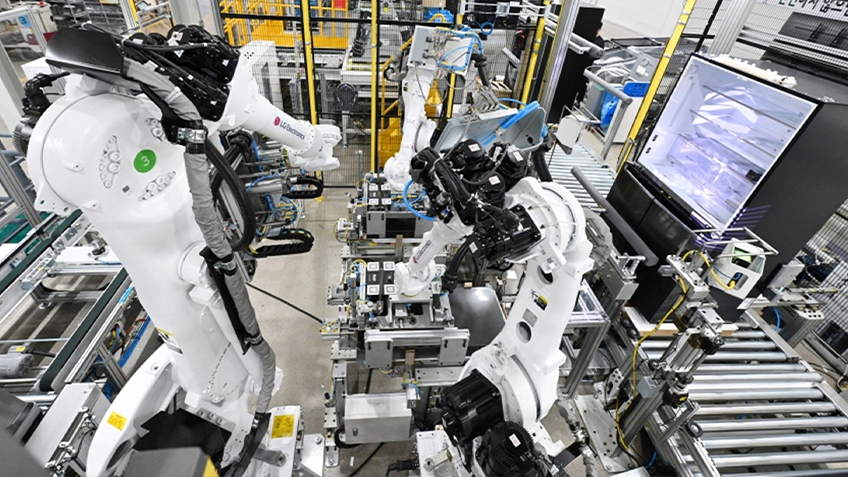
In today’s competitive industrial landscape, energy efficiency is no longer an optional upgrade — it’s a strategic necessity. A well-planned energy audit for manufacturing units acts as the blueprint for long-term sustainability and cost savings.
By identifying inefficiencies, optimizing equipment, and reducing energy wastage, an audit builds a solid foundation for all future upgrades, whether you plan to automate your processes or invest in a solar EPC system. Without this baseline, even the most advanced technologies may deliver sub-optimal returns.
At Manufyn, we believe that modernization must begin with insight. Our experienced team of engineers and energy experts perform comprehensive energy audits designed to uncover savings, improve plant performance, and prepare your facility for smarter technologies.
From detailed energy assessments to end-to-end implementation, we ensure that every recommendation turns into measurable results.
If your goal is to cut energy costs, reduce carbon footprint, and future-proof your factory, an energy audit is the first step.
Get Started with Manufyn Today
Talk to Manufyn’s experts today to schedule an audit and start your journey toward a more efficient, sustainable manufacturing setup.