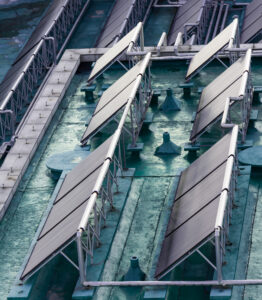
Discover how much your factory can save by switching to solar energy.
Industrial Solar Power Plant vs Grid Electricity Cost Comparison
Electricity generated from an industrial solar power plant typically costs ₹3–₹5 per unit, while grid electricity for industries in India often ranges between ₹7–₹10 per unit or more. Because solar systems operate for over 25 years, industries can significantly reduce long-term electricity costs by installing solar power plants.
Industries depend heavily on electricity to power machinery, manufacturing processes, lighting systems, and operational infrastructure. Traditionally, most factories rely on grid electricity supplied by local power distribution companies. However, rising electricity tariffs and growing sustainability requirements are prompting many businesses to explore renewable energy alternatives.
Today, an industrial solar power plant offers a practical way for factories to generate their own electricity while reducing long-term energy expenses. By installing a solar power plant for industry, businesses can produce clean electricity directly at their facilities instead of relying entirely on grid power.
Across many sectors, industrial rooftop solar power plants are becoming a preferred energy solution because they provide predictable energy costs and long-term operational savings. As solar technology becomes more affordable, industries in India and globally are increasingly comparing the cost of solar energy with traditional grid electricity.
This guide compares industrial solar power plants vs grid electricity, helping businesses understand how solar energy can reduce electricity costs and improve long-term energy stability.
Industrial Solar vs Grid Electricity – Quick Comparison
Before exploring detailed cost analysis, it is helpful to understand the basic difference between electricity generated by an industrial solar power plant and electricity supplied through the grid.
Grid electricity is generated by centralized power plants and distributed to industries through transmission networks. In contrast, solar power plants for industry generate electricity directly at the facility using solar panels installed on rooftops or nearby land.
Because solar energy is generated on-site, industries can avoid many of the long-term cost increases associated with grid electricity.
Cost Comparison Overview
One of the main reasons industries invest in industrial solar power plants is the potential to reduce electricity costs. While grid electricity prices often increase due to fuel costs and regulatory changes, solar energy provides a more predictable long-term energy cost.
Once installed, a solar power plant for industry generates electricity using sunlight, which is freely available. As a result, the cost of solar electricity remains relatively stable throughout the system’s lifespan.
In contrast, grid electricity tariffs for industries can fluctuate over time due to changes in energy policy, infrastructure costs, and fuel prices.
For many companies, installing an industrial rooftop solar power plant helps reduce exposure to these fluctuating electricity costs.
Solar Power vs Grid Power Cost per Unit
The cost per unit of electricity is one of the most important factors industries evaluate when comparing solar energy with grid power.
Although exact costs vary depending on region and project size, industrial solar power plants typically produce electricity at a lower long-term cost compared to grid electricity.
For example:
| Energy Source | Typical Cost per Unit (₹/kWh) | Cost Stability |
|---|---|---|
| Industrial Solar Power Plant | ₹3 – ₹5 | Highly stable |
| Grid Electricity for Industry | ₹7 – ₹10+ | Frequently increases |
Because solar systems operate for more than 25 years, the electricity generated by a solar power plant for industries in India becomes significantly cheaper over time.
This long-term cost advantage is one of the main reasons industries are rapidly adopting solar energy.
Why Industries Are Switching to Solar Energy
Industries are increasingly installing industrial rooftop solar power plants as part of their long-term energy strategy.
Some of the key reasons behind this shift include:
- Rising grid electricity tariffs
- Long-term cost stability of solar power
- Government incentives for renewable energy
- Corporate sustainability commitments
- Reduced carbon emissions
By investing in a solar power plant for industry, businesses can lower operational costs while also improving their environmental performance.
Discover how much your factory can save by switching to solar energy.
What Is Grid Electricity for Industrial Facilities?
Grid electricity refers to power generated by large centralized power plants and distributed to consumers through a network of transmission and distribution lines. Most industrial facilities rely on this system to power their operations.
Although grid electricity has supported industrial growth for decades, many industries now face increasing electricity costs and supply uncertainties.
As a result, businesses are exploring alternatives such as industrial solar power plants to reduce reliance on grid electricity.
How Industries Receive Grid Power
Industrial facilities receive electricity from the local utility grid through high-voltage transmission networks.
The process typically involves:
- Electricity generation at large power plants
- Transmission through high-voltage lines
- Distribution through regional substations
- Supply to industrial facilities through dedicated connections
Industries pay electricity charges based on the number of units consumed and the applicable tariff structure set by electricity regulators.
Because grid electricity is generated at centralized locations, industries have limited control over electricity prices.
Average Industrial Electricity Tariffs
Electricity tariffs for industrial consumers are usually higher than residential tariffs because industries consume large amounts of power and require stable electricity supply.
In many regions, industrial electricity tariffs can range between:
₹7 to ₹10 per unit (kWh) or even higher depending on the state and distribution company.
In addition to energy charges, industries may also pay:
- Demand charges
- Electricity duty
- Grid infrastructure charges
- Time-of-day tariffs
These additional costs can significantly increase the overall electricity expenses for industrial facilities.
As tariffs continue to rise, many companies are evaluating solar power plants for industries in India as a cost-effective alternative.
Challenges of Grid Power for Industries
Although grid electricity provides reliable power supply, it also presents several challenges for industrial consumers.
Some of the common challenges include:
- Rising electricity tariffs
- Limited control over energy costs
- Grid outages or supply disruptions
- Regulatory changes affecting tariffs
Because of these challenges, many businesses are investing in industrial solar power plants to generate electricity directly at their facilities.
By combining solar energy with grid power, industries can reduce electricity costs while maintaining reliable power supply.
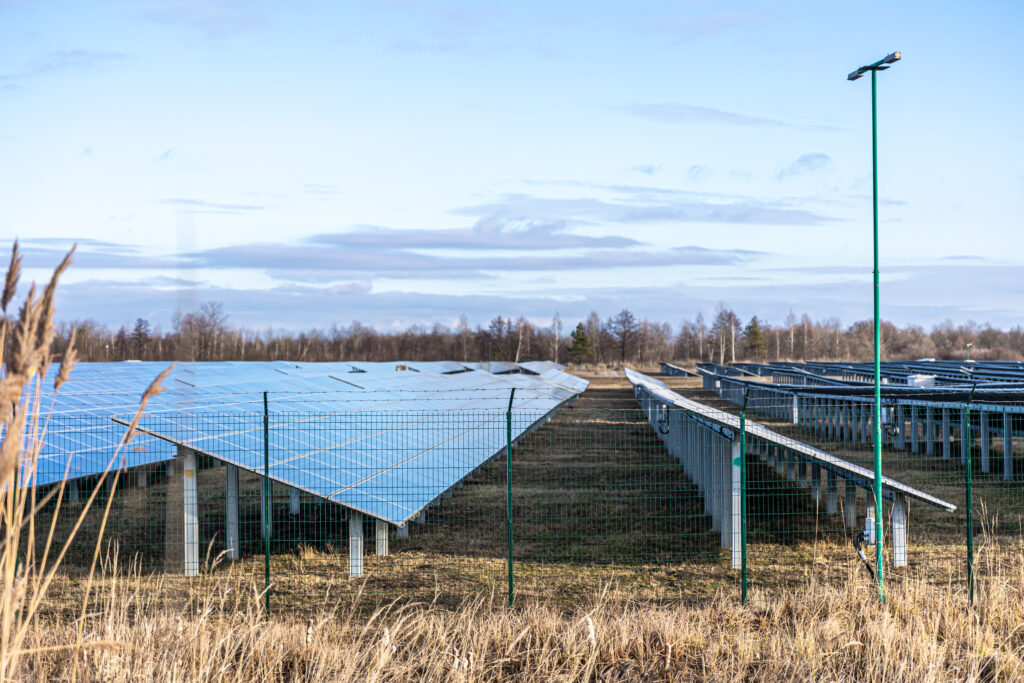
Explore how solar power can stabilize your industrial energy costs.
What Is Industrial Solar Power for Factories?
Industrial solar power refers to electricity generated using solar energy systems specifically designed for factories, manufacturing facilities, and industrial operations. Instead of relying entirely on grid electricity, industries can install an industrial solar power plant to generate electricity directly at their facility.
These solar plants typically use photovoltaic (PV) panels to convert sunlight into electricity that can power machinery, production equipment, lighting, and other industrial infrastructure. Because factories often consume large amounts of electricity during daytime operations, solar energy can significantly reduce reliance on grid power.
Many industries today are installing solar power plants for industry to control energy costs and improve long-term operational efficiency. By producing electricity on-site, companies gain greater control over their energy expenses while supporting sustainability goals.
In many cases, solar power plants for industries in India are installed on factory rooftops or nearby land, allowing industries to utilize available space while generating clean electricity.
How Industrial Solar Power Plants Generate Electricity
An industrial solar power plant generates electricity by converting sunlight into usable electrical energy through photovoltaic technology.
The process typically involves the following steps:
- Solar panels capture sunlight
Photovoltaic cells inside solar panels absorb sunlight and convert it into direct current (DC) electricity. - Solar inverters convert electricity
Inverters convert DC electricity into alternating current (AC), which can be used by industrial equipment. - Electricity powers factory operations
The generated electricity is supplied directly to the facility’s internal electrical system. - Surplus power may be exported to the grid
If the solar power plant for industry produces more electricity than the facility consumes, the excess power may be exported to the grid through net metering.
Because factories typically operate during daylight hours, a large portion of the electricity generated by an industrial rooftop solar power plant can be used immediately within the facility.
Industrial Rooftop Solar Power Plant Model
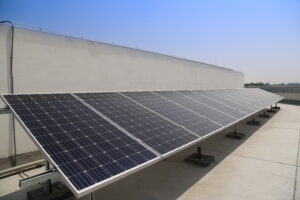
One of the most common ways industries adopt solar energy is through an industrial rooftop solar power plant. In this model, solar panels are installed on the rooftops of factory buildings, warehouses, and production units.
Factory rooftops are ideal for solar installations because they usually offer:
- Large installation areas
- Minimal shading from surrounding structures
- Strong structural frameworks
- Proximity to the facility’s electrical systems
By installing solar panels on rooftops, industries can generate electricity without requiring additional land. This makes industrial rooftop solar power plants one of the most practical solar solutions for manufacturing facilities.
Captive Solar Power for Industrial Use
Some industries choose to develop captive solar power plants dedicated entirely to their electricity consumption.
A captive solar power plant for industry can be installed either within the factory premises or at a nearby location. The electricity generated by the solar plant is used exclusively by the industrial facility.
Captive solar systems offer several advantages:
- Reduced electricity costs
- Greater control over energy supply
- Long-term cost stability
- Improved sustainability performance
Many solar power plants for industries in India are implemented as captive energy systems, helping industries reduce long-term electricity expenses.
Generate clean electricity and reduce long-term energy costs.
Industrial Solar vs Grid Electricity Cost Breakdown
When industries evaluate energy alternatives, the most important factor is the long-term cost of electricity. Comparing the cost of an industrial solar power plant with traditional grid electricity helps businesses understand the financial benefits of generating their own power.
While grid electricity typically involves ongoing payments that increase over time, solar energy requires an upfront investment but provides stable electricity costs for decades. As a result, many industries are finding that solar power plants for industry offer a more predictable and cost-effective energy solution.
Below is a detailed comparison of electricity costs between industrial solar power plants and grid electricity.
Electricity Cost per Unit – Solar vs Grid
One of the simplest ways to compare energy sources is by analyzing the cost per unit (kWh) of electricity.
Although the exact cost depends on location and project design, solar energy typically delivers lower long-term electricity costs compared to grid power.
| Energy Source | Typical Cost per Unit (₹/kWh) | Cost Stability | Fuel Dependency |
|---|---|---|---|
| Industrial Solar Power Plant | ₹3 – ₹5 | Highly stable | No fuel required |
| Grid Electricity for Industry | ₹7 – ₹10+ | Frequently increasing | Dependent on fuel sources |
Because solar systems generate electricity using sunlight, the operating cost of an industrial rooftop solar power plant remains stable once the system is installed.
In contrast, grid electricity prices often increase due to rising fuel costs, regulatory changes, and infrastructure investments.
Long-Term Electricity Cost Comparison
The difference between solar and grid electricity becomes more significant when comparing long-term energy costs.
An industrial solar power plant typically operates for 25 to 30 years, producing electricity with minimal operating expenses. Once the system reaches its payback period, the electricity generated by the plant significantly reduces energy costs.
For example:
| Energy Source | 25-Year Cost Trend |
|---|---|
| Industrial Solar Power Plant | Stable after initial investment |
| Grid Electricity | Continues increasing over time |
Because of this long-term stability, many solar power plants for industries in India are considered strategic infrastructure investments.
Industries that install solar systems early often gain a competitive advantage by securing lower electricity costs over the lifespan of the system.
Operating Cost Differences
Another major difference between solar energy and grid electricity is the ongoing operating cost.
Grid electricity requires continuous payments based on electricity consumption. In contrast, once installed, solar power plants for industry require only minimal maintenance.
Typical operating costs include:
Industrial Solar Power Plant
- Periodic panel cleaning
- Monitoring and maintenance
- Occasional inverter replacement
Grid Electricity
- Continuous energy charges
- Demand charges
- Transmission and distribution charges
- Electricity duty and taxes
Because of these ongoing charges, grid electricity can become significantly more expensive over time compared to solar energy.
This is one of the primary reasons industries are increasingly adopting industrial rooftop solar power plants.
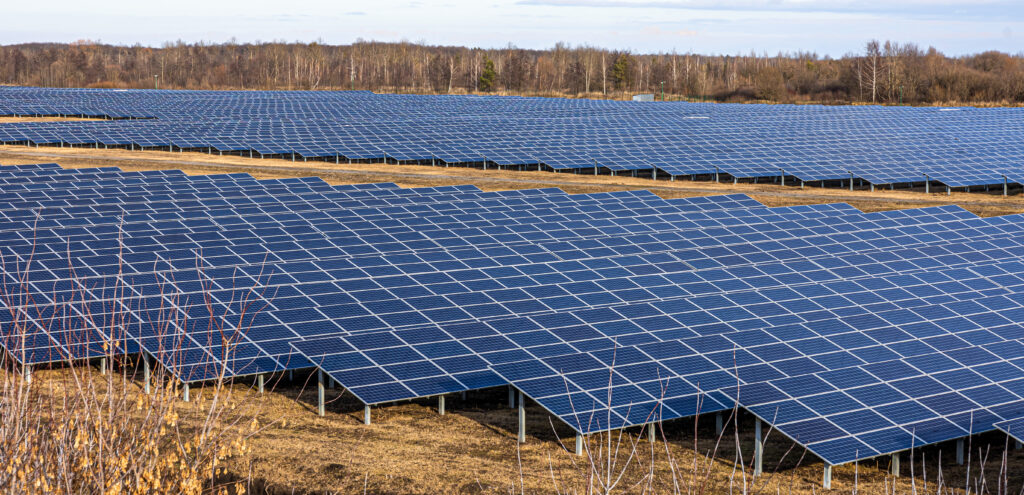
Get a customized analysis of potential energy savings with solar.
Financial Comparison – Industrial Solar vs Grid Power
When industries evaluate energy options, financial performance becomes one of the most important factors. Comparing the financial aspects of an industrial solar power plant with traditional grid electricity helps businesses understand the long-term economic advantages of solar energy.
While grid electricity requires continuous payments that increase over time, a solar power plant for industry involves an upfront investment but delivers long-term electricity savings. Over the lifespan of the system, the total cost of electricity generated by solar energy is often significantly lower than the cost of grid electricity.
Below are the key financial considerations industries evaluate when comparing industrial solar power plants with grid electricity.
Initial Investment vs Long-Term Savings
Installing an industrial solar power plant requires an initial capital investment for solar panels, inverters, mounting structures, and installation.
However, once the system is operational, the electricity generated by the solar plant significantly reduces the amount of electricity purchased from the grid.
In contrast, grid electricity does not require upfront investment but involves continuous monthly payments that may increase over time.
| Energy Source | Initial Cost | Long-Term Electricity Cost |
|---|---|---|
| Industrial Solar Power Plant | High upfront investment | Low long-term cost |
| Grid Electricity | No upfront investment | Continuous and increasing cost |
Because of these long-term savings, many industries install industrial rooftop solar power plants to stabilize energy expenses.
Payback Period of Industrial Solar Plants
The payback period represents the time required for electricity savings to recover the initial cost of the solar system.
Most solar power plants for industries in India achieve a payback period of approximately:
3 to 5 years
After this period, the electricity generated by the industrial solar power plant continues reducing energy costs for the remaining lifespan of the system.
Considering that solar plants typically operate for 25 years or more, industries can benefit from decades of lower electricity expenses.
25-Year Electricity Cost Comparison Example
To understand the financial benefits of solar energy, industries often compare the cost of electricity over the lifespan of the solar system.
For example:
| Energy Source | 25-Year Electricity Cost Trend |
|---|---|
| Industrial Solar Power Plant | Stable electricity cost after payback |
| Grid Electricity | Costs increase with tariff changes |
As electricity tariffs rise, industries relying solely on grid power may experience significant increases in operational expenses.
In contrast, businesses that install solar power plants for industry lock in a portion of their electricity costs for decades.
Because of this financial advantage, industrial rooftop solar power plants are increasingly becoming a strategic investment for factories and manufacturing facilities.
Discover how much your business can save with solar energy.
Key Advantages of Solar Over Grid Electricity for Industry
For many industrial facilities, energy costs represent a significant portion of operational expenses. As electricity tariffs continue to increase, industries are exploring alternatives that offer greater cost stability and long-term financial benefits.
Installing an industrial solar power plant provides several advantages compared to relying solely on grid electricity. By generating electricity directly at the facility, businesses can reduce energy costs while improving sustainability and operational reliability.
Below are some of the key advantages of solar power plants for industry compared to traditional grid electricity.
Protection from Rising Electricity Tariffs
One of the biggest challenges industries face with grid electricity is the continuous increase in tariffs. Electricity prices are influenced by several factors, including fuel costs, infrastructure investments, and regulatory policies.
By installing an industrial solar power plant, businesses can reduce their exposure to these rising electricity tariffs.
Once a solar power plant for industry is installed, the cost of producing solar electricity remains relatively stable because sunlight is freely available. This allows industries to lock in a portion of their electricity costs for decades.
Long-Term Cost Stability
Grid electricity costs tend to fluctuate over time due to changes in energy policies and fuel prices. These fluctuations make it difficult for industries to predict long-term energy expenses.
In contrast, industrial rooftop solar power plants provide long-term cost stability. After the initial investment and payback period, the electricity generated by the solar plant significantly reduces energy expenses.
Because solar plants can operate for 25 to 30 years, industries benefit from stable electricity costs for a long period.
Reduced Carbon Footprint
Industries are increasingly focusing on sustainability and environmental responsibility. Installing solar power plants for industries in India helps companies reduce greenhouse gas emissions and transition toward cleaner energy sources.
Unlike conventional power plants that rely on fossil fuels, industrial solar power plants generate electricity without producing harmful emissions.
This helps industries:
- Reduce their environmental impact
- Meet corporate sustainability goals
- Improve ESG (Environmental, Social, and Governance) performance
Improved Energy Independence
Relying solely on grid electricity can expose industries to supply disruptions, tariff increases, and regulatory changes.
With an industrial solar power plant, industries generate electricity directly at their facility. This reduces dependence on external energy suppliers and improves energy security.
Many factories combine solar energy with grid electricity to create a hybrid energy system, ensuring reliable power supply while reducing electricity costs.
Generate clean electricity and reduce long-term energy costs.
When Grid Electricity May Still Be Necessary
Although installing an industrial solar power plant can significantly reduce electricity costs, most industries continue to rely on grid electricity for certain operational needs. Solar energy systems generate electricity during daylight hours, while many industrial facilities operate continuously throughout the day and night.
Because of this, industries often combine solar energy with grid electricity to create a balanced and reliable power supply. A hybrid approach allows businesses to maximize the benefits of solar power plants for industry while maintaining uninterrupted operations.
Below are some situations where grid electricity may still play an important role.
Night-Time Power Requirements
Solar panels generate electricity only when sunlight is available. As a result, industrial solar power plants primarily produce electricity during daytime hours.
However, many factories operate in multiple shifts and require electricity even at night. During these hours, industries typically rely on grid electricity or other backup power sources.
Some industries may also use battery storage systems to store excess electricity generated by industrial rooftop solar power plants during the day. This stored energy can then be used during non-solar hours.
Hybrid Solar and Grid Energy Systems
Many industrial facilities adopt a hybrid energy model that combines solar power with grid electricity.
In this approach:
- Solar energy supplies electricity during daylight hours
- Grid electricity provides power during nighttime or high-demand periods
This combination allows industries to reduce electricity costs while maintaining reliable power supply.
A hybrid system is one of the most practical ways to integrate solar power plants for industries in India without disrupting industrial operations.
Backup Power Integration
Industrial facilities often require backup power solutions to ensure uninterrupted production. In addition to grid electricity, some factories integrate backup systems such as:
- Diesel generators
- Battery energy storage systems
- Hybrid solar power solutions
When combined with an industrial solar power plant, these backup systems help maintain stable electricity supply even during unexpected power disruptions.
This integrated energy approach ensures that factories can continue operating efficiently while still benefiting from the cost savings of solar energy.
Our experts help industries design reliable and cost-efficient energy systems.
Industrial Solar Power in India – Market Shift
India is experiencing a major transition toward renewable energy, and industries are playing a significant role in this transformation. Rising electricity tariffs, government policies promoting clean energy, and increasing sustainability commitments are encouraging businesses to adopt solar energy solutions.
As a result, many companies are installing industrial solar power plants to reduce electricity costs and improve long-term energy security. Over the past decade, solar power plants for industries in India have grown rapidly, particularly in manufacturing, logistics, and large-scale production sectors.
Industrial solar installations are now considered a strategic investment for businesses seeking to stabilize energy expenses and reduce dependence on conventional grid electricity.
Rising Industrial Electricity Costs in India
One of the primary drivers behind the adoption of industrial solar power plants is the steady increase in electricity tariffs.
Industrial electricity prices in India are often higher than residential tariffs because industries consume large volumes of power and require stable electricity supply.
In many states, industrial electricity tariffs range between:
₹7 – ₹10 per unit or higher
Additionally, industries may also incur extra charges such as:
- Demand charges
- Electricity duty
- Grid infrastructure charges
- Time-of-day tariffs
These increasing energy costs are prompting businesses to invest in solar power plants for industry to reduce long-term electricity expenses.
Growth of Industrial Rooftop Solar Plants
Industrial rooftops provide an ideal environment for solar installations because factories typically have large roof areas that receive unobstructed sunlight.
Because of this advantage, industrial rooftop solar power plants have become one of the fastest-growing segments of the solar industry.
Industries that are actively adopting solar energy include:
- Manufacturing plants
- Textile factories
- Automotive component manufacturers
- Pharmaceutical companies
- Food processing industries
- Logistics and warehouse operators
By installing rooftop solar systems, these businesses can convert unused roof space into a productive energy asset.
Government Policies Encouraging Solar Adoption
The Indian government has introduced several policies to encourage industries to adopt renewable energy solutions.
These policies help improve the financial viability of solar power plants for industries in India.
Some key policy initiatives include:
- Net metering for rooftop solar systems
- Accelerated depreciation benefits for solar investments
- Open access renewable energy policies
- Renewable purchase obligations (RPO)
These initiatives are helping industries transition toward industrial solar power plants while reducing long-term electricity costs.
Explore how solar power can reduce electricity costs for your industry.
Why Businesses Choose Manufyn for Industrial Solar Projects
Developing an industrial solar power plant requires careful planning, engineering expertise, and reliable project execution. Because industrial facilities operate with high energy demands, solar installations must be designed to deliver consistent electricity generation and long-term performance.
Many industries partner with experienced solar solution providers to ensure their solar power plant for industry is optimized for efficiency, reliability, and financial returns.
Manufyn works with industrial businesses to design and implement efficient solar energy systems that support long-term operational savings. By combining technical expertise with advanced solar technologies, Manufyn helps industries successfully deploy industrial rooftop solar power plants and large-scale solar energy solutions.
End-to-End Solar Project Support
Installing an industrial solar power plant involves multiple stages, from energy analysis to system commissioning. A well-managed solar project ensures the system performs efficiently and delivers long-term value.
Manufyn supports industries throughout the entire solar project lifecycle, including:
- Energy consumption analysis and feasibility studies
- Solar plant design and engineering
- Procurement of solar components
- Installation and commissioning
- Performance monitoring and optimization
This integrated approach helps ensure that each solar power plant for industry is designed to generate maximum electricity while maintaining long-term reliability.
Customized Solar Solutions for Industrial Facilities
Every industrial facility has unique energy requirements based on production processes, operational schedules, and facility infrastructure.
Manufyn works closely with industries to design customized industrial solar power plants tailored to their specific needs.
Factors considered during system design include:
- Facility electricity consumption patterns
- Available rooftop or land installation area
- Production schedules and operational hours
- Long-term energy strategy
This customized design approach ensures that the industrial rooftop solar power plant is optimized for maximum energy generation and cost savings.
Focus on Long-Term Energy Performance
An industrial solar power plant is a long-term infrastructure investment that can operate for more than 25 years. Proper engineering and equipment selection are essential to maintain system efficiency throughout this period.
Manufyn emphasizes system reliability, quality components, and performance monitoring to ensure that solar power plants for industries in India continue generating electricity efficiently for decades.
By focusing on long-term system performance, industries can maximize the financial benefits of their solar investment.
Partner with experts to design and install a reliable solar energy system.
Frequently Asked Questions
Is solar electricity cheaper than grid electricity for industries?
Yes. In many cases, electricity generated by an industrial solar power plant costs significantly less over the long term compared to grid electricity. Solar power can cost around ₹3–₹5 per unit, while industrial grid tariffs often range between ₹7–₹10 per unit or higher.
How much can industries save with solar power?
Industries installing solar power plants for industry can often reduce electricity expenses by 40–70%, depending on system size and energy consumption patterns.
What is the payback period of an industrial solar power plant?
Most solar power plants for industries in India achieve a payback period of approximately 3 to 5 years. After this period, the electricity generated by the solar system significantly reduces long-term energy costs.
Can industries operate completely on solar power?
While industrial solar power plants can generate a large portion of a facility’s electricity needs, many industries still use grid electricity during nighttime operations or peak demand periods.
What factors affect solar electricity costs for industries?
Several factors influence the cost of electricity from an industrial solar power plant, including:
- System capacity
- Solar panel efficiency
- Installation location
- Electricity tariffs
- Government incentives and policies