Our experts help businesses identify the best solar solution for their facility.
Industrial Solar Power Plant Guide for Businesses
Industrial facilities consume large amounts of electricity to power machinery, production lines, lighting systems, and operational infrastructure. As electricity prices continue to rise, many companies are turning to industrial solar power plants to reduce operating costs and achieve long-term energy independence.
An industrial solar power plant allows factories and manufacturing facilities to generate their own electricity using solar energy. These systems typically consist of large photovoltaic (PV) installations installed on factory rooftops or nearby land. As a result, industries can significantly reduce reliance on grid electricity while lowering their long-term energy expenses.
In addition to cost savings, solar power plants for industry also support sustainability initiatives. By generating clean electricity, companies can reduce their carbon footprint and meet growing environmental, social, and governance (ESG) requirements.
Across India and globally, industries are increasingly adopting industrial rooftop solar power plants as part of their long-term energy strategy. These systems transform unused roof space into productive energy assets while delivering reliable electricity for decades.
In this guide, we will explore how solar power plants for industries in India work, their benefits, installation process, costs, and how businesses can successfully implement industrial solar energy solutions.
What is an Industrial Solar Power Plant?
An industrial solar power plant is a large-scale solar energy system designed to generate electricity specifically for industrial facilities such as factories, manufacturing plants, warehouses, and processing units.
These solar plants use photovoltaic (PV) panels to convert sunlight into electricity that can power industrial equipment and infrastructure. Unlike residential solar systems, industrial solar plants are significantly larger and are designed to meet the high electricity demands of industrial operations.
A typical solar power plant for industry includes several key components:
- Solar panels that capture sunlight
- Solar inverters that convert DC electricity to AC power
- Mounting structures that hold the panels in place
- Electrical wiring and protection systems
- Monitoring systems that track performance
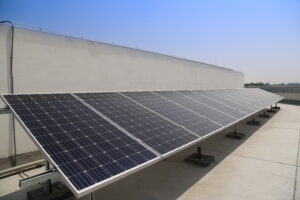
Most industries install industrial rooftop solar power plants because factories often have large roof areas that can support significant solar capacity. However, some companies also develop ground-mounted solar plants when additional land is available.
By generating electricity on-site, industries can offset a large portion of their grid electricity consumption. This helps businesses reduce operating costs while improving long-term energy reliability.
How Solar Power Plants Work for Industrial Facilities
An industrial solar power plant works by converting sunlight into usable electricity that can power factory operations. Although the technology behind solar energy is advanced, the basic process is relatively straightforward.
The system operates through several key steps:
- Solar panels capture sunlight
Photovoltaic cells within the panels absorb sunlight and convert it into direct current (DC) electricity. - Inverters convert electricity
Solar inverters convert the DC electricity generated by the panels into alternating current (AC), which is used by industrial machinery and electrical systems. - Electricity powers industrial operations
The generated electricity is supplied directly to the facility’s internal power distribution system. - Excess power may be exported to the grid
If the solar power plant for industry generates more electricity than the facility consumes, surplus power may be exported to the grid depending on local net metering policies.
Because industrial facilities typically operate during daytime hours, a large portion of the electricity generated by an industrial rooftop solar power plant can be used immediately. This maximizes energy savings and improves the overall return on investment.
Difference Between Industrial Solar and Commercial Solar
Although both systems use the same solar technology, industrial solar power plants are typically larger and designed to meet higher electricity demands compared to commercial solar systems.
Some key differences include:
| Factor | Industrial Solar | Commercial Solar |
|---|---|---|
| Energy consumption | Very high | Moderate |
| Typical system size | 500 kW – multi-MW | 30 kW – 500 kW |
| Installation sites | Factories, industrial parks | Offices, malls, hospitals |
| Energy usage | Heavy machinery and production | Lighting, HVAC, operations |
Because industrial operations require continuous and high-capacity electricity supply, solar power plants for industries in India are often designed with larger capacities and more robust electrical infrastructure.
Discover how solar energy can power your factory while reducing electricity costs.
Key Components of an Industrial Solar Power Plant
Understanding the major components of an industrial solar power plant helps businesses evaluate how solar systems generate electricity and deliver reliable long-term performance.
Each component plays a critical role in ensuring the solar power plant for industry operates efficiently and safely.
Solar Panels (Photovoltaic Modules)
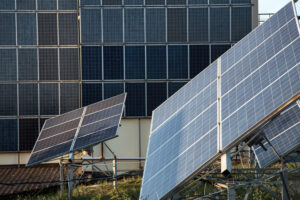
Solar panels are the primary component of any industrial rooftop solar power plant. These panels contain photovoltaic cells that capture sunlight and convert it into electricity.
Industrial solar plants typically use high-efficiency solar modules designed to perform reliably for more than 25 years.
Key characteristics include:
- High energy conversion efficiency
- Durable construction for outdoor environments
- Long performance warranties
- Resistance to weather and temperature variations
Because panels generate the electricity for the entire system, their efficiency significantly impacts the performance of the industrial solar power plant.
Solar Inverters
Solar inverters convert the DC electricity generated by solar panels into AC electricity used by industrial machinery and equipment.
Modern inverters also perform additional functions such as:
- Monitoring system performance
- Managing voltage and power quality
- Protecting the system from electrical faults
In large solar power plants for industries in India, multiple inverters are often used to handle high power capacities and ensure stable energy supply.
Mounting Structures
Mounting structures support and secure the solar panels in place. These structures are designed to withstand environmental conditions such as wind, rain, and temperature changes.
For industrial rooftop solar power plants, mounting systems are typically installed on metal or concrete roofs commonly found in factories.
Proper structural design ensures the industrial solar power plant remains stable and safe throughout its operational life.
Electrical Wiring and Protection Systems
Electrical wiring connects all components of the solar system, allowing electricity to flow from the panels to the inverters and into the facility’s power system.
Protection systems are also installed to ensure safe operation, including:
- Surge protection devices
- Grounding systems
- Circuit protection equipment
These systems protect the solar power plant for industry from electrical faults and ensure safe integration with industrial power infrastructure.
Solar Monitoring Systems
Modern industrial solar power plants often include digital monitoring platforms that track energy generation and system performance in real time.
Monitoring systems allow facility managers to:
- Track electricity production
- Detect system faults quickly
- Analyze long-term energy performance
- Optimize energy usage
This data helps industries maximize the efficiency and financial returns of their industrial rooftop solar power plant.
Our solar experts help industries build efficient and scalable solar plants.
Types of Industrial Solar Power Plants
Industries can adopt different types of solar systems depending on their infrastructure, land availability, and electricity consumption patterns. Choosing the right system type is essential because it directly affects the performance and scalability of the industrial solar power plant.
While some industries install solar panels directly on factory rooftops, others develop larger ground-mounted systems or captive solar plants to meet higher energy demands. Each approach offers unique advantages depending on the operational requirements of the facility.
Below are the most common types of solar power plants for industry.
Industrial Rooftop Solar Power Plant
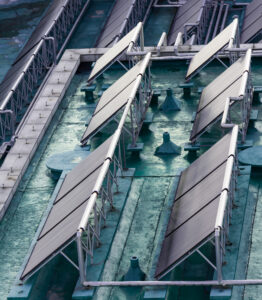
An industrial rooftop solar power plant is one of the most widely adopted solar solutions for factories and manufacturing facilities. These systems are installed directly on the rooftops of industrial buildings, warehouses, and production units.
Factories often have large, unobstructed rooftops that are ideal for solar installations. By utilizing this unused space, industries can generate electricity without occupying additional land.
Some key advantages of industrial rooftop solar power plants include:
- Efficient use of unused roof space
- Lower installation costs compared to ground systems
- Reduced transmission losses since electricity is generated on-site
- Faster installation timelines
Many solar power plants for industries in India are rooftop installations because they allow factories to generate significant electricity without altering existing land use.
Ground-Mounted Solar Power Plants for Industry
In some cases, industrial facilities may not have enough rooftop space to install large solar systems. When additional land is available near the facility, companies may choose to install ground-mounted industrial solar power plants.
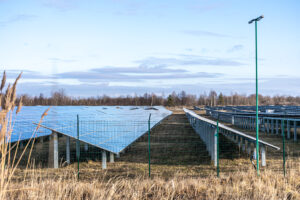
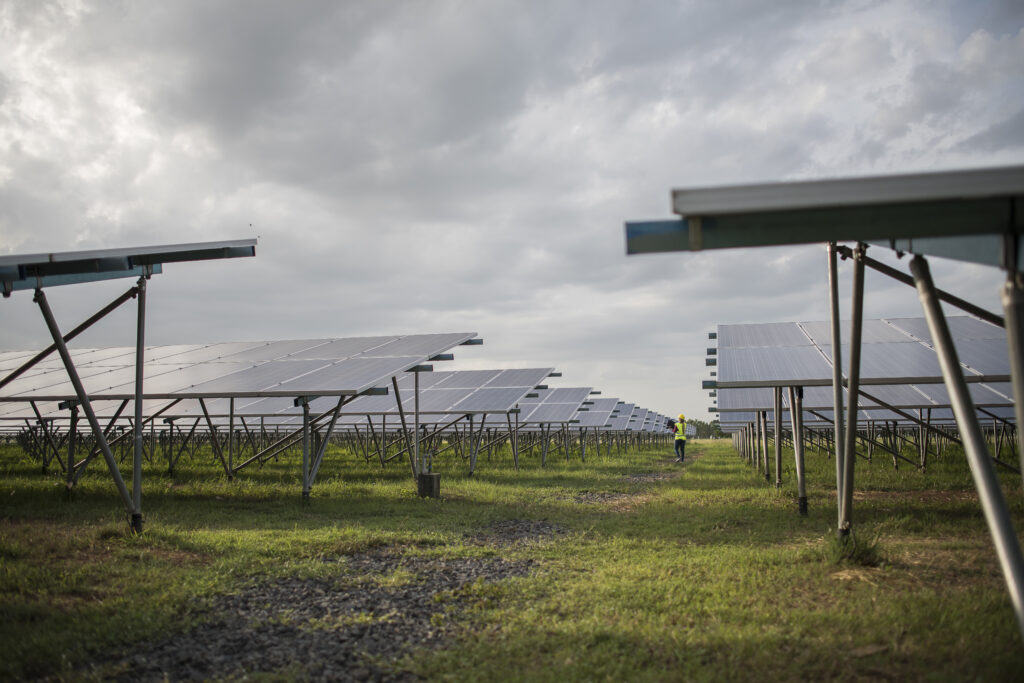
These solar plants are installed on open land using steel mounting structures anchored into the ground. Ground-mounted systems allow industries to install much larger capacities compared to rooftop installations.
Benefits of ground-mounted solar power plants for industry include:
- Greater flexibility in system size
- Optimized panel orientation for maximum sunlight exposure
- Easier maintenance access
- Ability to build multi-megawatt solar plants
Large manufacturing plants and industrial parks often use this approach to develop high-capacity industrial solar power plants.
Captive Solar Power Plants for Industrial Use
A captive solar power plant is a solar energy system developed specifically to supply electricity to a particular industrial facility. In this model, the solar plant may be located either on-site or at a nearby location, but it is dedicated exclusively to powering the industry.
Captive solar power plants for industry allow companies to generate electricity independently instead of relying entirely on grid power.
Advantages of captive solar plants include:
- Long-term electricity cost stability
- Reduced dependence on utility power
- Control over energy generation and supply
Many large industries in India invest in captive industrial solar power plants as part of their long-term energy strategy.
Open Access Solar Power for Industries
Open access solar allows industries to purchase electricity generated from a solar power plant located at a different site. In this model, the electricity generated by the solar plant is transmitted to the industrial facility through the grid.
This approach is useful for companies that may not have enough space for installing their own industrial solar power plant.
Key benefits of open access solar include:
- Access to renewable energy without on-site installation
- Ability to source power from large solar plants
- Reduced electricity tariffs through long-term power agreements
Because of these advantages, open access solar projects are becoming increasingly popular for solar power plants for industries in India, especially among energy-intensive sectors.
Our experts help businesses identify the best solar solution for their facility.
Benefits of Installing Solar Power Plants for Industry
Industries consume significant amounts of electricity to run production lines, heavy machinery, and facility infrastructure. As electricity costs continue to rise, many companies are investing in industrial solar power plants to reduce operational expenses and achieve long-term energy stability.
Installing a solar power plant for industry offers several advantages beyond cost savings. These systems provide reliable electricity, improve sustainability performance, and help businesses gain greater control over their energy consumption.
Below are the key benefits industries gain from implementing industrial solar power plants.
Major Reduction in Electricity Costs
Electricity is one of the largest operational expenses for many industries. By installing an industrial solar power plant, companies can generate a substantial portion of their electricity directly on-site.
This reduces dependence on grid power and helps businesses significantly lower electricity bills. In many cases, industries can reduce their energy costs by 40–70%, depending on system size and energy consumption.
Since solar panels generate electricity using sunlight, the cost of producing solar energy remains stable over time. As a result, solar power plants for industry offer long-term protection against rising electricity tariffs.
Energy Independence for Industrial Operations
Industrial facilities often require continuous and reliable electricity supply to maintain production efficiency. Dependence on grid power can expose businesses to energy price fluctuations and potential supply disruptions.
By installing an industrial rooftop solar power plant or ground-mounted solar system, industries can generate their own electricity directly at the facility.
This increased energy independence allows businesses to:
- Reduce reliance on external electricity suppliers
- Improve energy security for production operations
- Maintain greater control over energy costs
For energy-intensive industries, this level of independence can significantly improve operational stability.
Sustainability and ESG Compliance
Many industries are now prioritizing sustainability as part of their corporate strategy. Governments, investors, and customers increasingly expect companies to reduce their environmental impact.
Installing solar power plants for industries in India helps organizations transition toward cleaner energy sources.
Solar energy produces electricity without emitting greenhouse gases or air pollutants. As a result, industries can significantly reduce their carbon footprint and contribute to global sustainability goals.
Adopting industrial solar power plants also strengthens ESG (Environmental, Social, and Governance) performance, which is becoming an important factor for investors and corporate stakeholders.
Long-Term Infrastructure Investment
Unlike conventional energy sources, solar systems can operate for 25 to 30 years with minimal maintenance. Because of this long lifespan, industrial solar power plants function as long-term infrastructure assets.
Although the initial investment may seem substantial, the electricity savings accumulated over decades often exceed the original installation cost.
Once the system reaches its payback period, the electricity generated by the solar power plant for industry continues reducing operating costs for many years.
This makes solar energy one of the most financially attractive energy investments for industrial facilities.
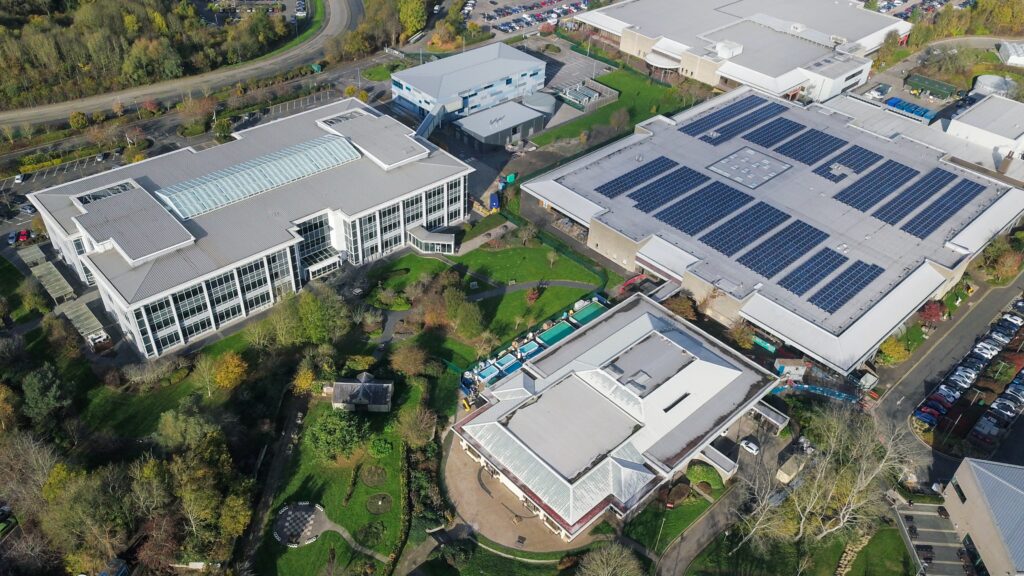
Explore how a solar power plant can power your factory efficiently.
Industrial Rooftop Solar Power Plant for Factories
Factory rooftops provide one of the most practical locations for installing solar energy systems. Many industrial buildings have large roof areas that remain unused throughout the year. Installing an industrial rooftop solar power plant allows businesses to convert this idle space into a productive source of electricity.
By generating solar power directly at the facility, factories can reduce electricity costs while improving energy efficiency. As a result, industrial rooftop solar power plants have become one of the most widely adopted renewable energy solutions for manufacturing facilities.
Across many regions, solar power plants for industries in India are commonly installed on factory rooftops because they require minimal additional land and integrate easily with existing infrastructure.
Why Factory Rooftops Are Ideal for Solar
Industrial facilities often have large flat or metal rooftops that receive unobstructed sunlight throughout the day. These rooftops provide excellent conditions for installing solar panels.
Some advantages of installing an industrial rooftop solar power plant include:
- Large installation area for solar panels
- Minimal shading from nearby structures
- Efficient use of existing infrastructure
- Reduced need for additional land
Because solar panels generate electricity where it is consumed, rooftop systems also reduce energy transmission losses. This makes solar power plants for industry more efficient compared to off-site energy generation.
Typical Capacity of Industrial Rooftop Solar Systems
Industrial solar systems are usually designed based on the electricity consumption of the factory and the available rooftop area.
Typical capacities for industrial rooftop solar power plants include:
- 100 kW – 250 kW: Small manufacturing units
- 250 kW – 500 kW: Medium industrial facilities
- 500 kW – 1 MW: Large factories
- 1 MW and above: Large industrial campuses
The final capacity of an industrial solar power plant depends on roof size, structural strength, and the facility’s energy requirements.
Because factories often consume significant electricity during daytime operations, a large portion of the solar energy generated can be used immediately within the facility.
Industries That Benefit Most from Rooftop Solar
Several industrial sectors benefit significantly from installing industrial rooftop solar power plants because of their high energy consumption and large rooftop areas.
Some industries that commonly adopt solar energy include:
- Manufacturing plants
- Textile factories
- Food processing industries
- Automotive manufacturing units
- Pharmaceutical facilities
- Logistics and warehouse operations
For these sectors, installing a solar power plant for industry can lead to substantial electricity savings while supporting long-term sustainability goals.
Turn your factory rooftop into a powerful source of renewable energy.
Cost of Industrial Solar Power Plants
The cost of installing an industrial solar power plant depends on several factors, including system size, equipment quality, installation complexity, and project location. While the upfront investment may vary, most industries find that solar energy delivers substantial long-term financial returns.
In recent years, the cost of solar power plants for industry has decreased significantly due to improvements in solar technology and increased adoption. As a result, industrial solar projects have become one of the most cost-effective energy solutions for manufacturing and processing facilities.
Understanding the cost structure helps businesses evaluate the financial feasibility of installing an industrial rooftop solar power plant or a ground-mounted solar system.
Average Cost per MW for Industrial Solar Plants
Industrial solar systems are often measured in megawatts (MW) because of their large capacity. The cost of an industrial solar power plant is typically calculated based on cost per megawatt of installed capacity.
On average, the cost of installing a solar power plant for industries in India ranges between:
₹4 crore – ₹5.5 crore per MW
However, the exact cost can vary depending on system design, equipment quality, and installation conditions.
Larger projects usually benefit from economies of scale, meaning the cost per megawatt decreases as the plant capacity increases.
Cost of Industrial Rooftop Solar Power Plants
For rooftop systems, costs are usually calculated based on cost per kilowatt (kW).
The average cost of installing an industrial rooftop solar power plant generally ranges between:
₹40,000 – ₹60,000 per kW
Below are approximate cost estimates for typical system sizes:
| System Capacity | Estimated Cost Range |
|---|---|
| 100 kW | ₹40 lakh – ₹60 lakh |
| 500 kW | ₹2 crore – ₹3 crore |
| 1 MW | ₹4 crore – ₹5.5 crore |
These figures provide a general estimate for solar power plants for industry, but the final project cost is determined after detailed engineering and site evaluation.
Factors Affecting Industrial Solar Plant Cost
Several technical and operational factors influence the overall cost of an industrial solar power plant.
Some of the most important cost factors include:
Solar Panel Quality
High-efficiency solar panels may cost more initially but often generate more electricity over the system lifespan.
Inverter Technology
Advanced inverters improve system efficiency and monitoring capabilities, which can influence overall project costs.
Mounting Structures
Different mounting structures are required for rooftop and ground-mounted installations.
Roof Type and Structural Requirements
Industrial rooftops must be evaluated to ensure they can support the additional load of solar panels.
Installation Location
Transportation, labor, and local regulatory requirements can affect the cost of installing a solar power plant for industries in India.
Although installation costs vary, the long-term electricity savings generated by industrial solar power plants typically make them a financially attractive investment.
Our experts help industries evaluate project costs and expected savings.
Industrial Solar Power Plant Capacity Guide
The capacity of an industrial solar power plant is determined by several factors, including the electricity consumption of the facility, available installation space, and the long-term energy strategy of the business. Solar plants are typically measured in kilowatts (kW) or megawatts (MW) depending on their generation capacity.
Choosing the right system capacity is essential because it determines how much electricity the solar power plant for industry can generate and how much of the facility’s power demand it can offset.
Below are common industrial solar plant capacities used by manufacturing and industrial facilities.
100 kW Industrial Solar System
A 100 kW industrial solar power plant is often suitable for small manufacturing units or facilities with moderate electricity consumption.
This system size can typically power:
- Small production lines
- Industrial lighting systems
- Office and administrative areas within factories
- Basic machinery operations
A 100 kW industrial rooftop solar power plant usually requires approximately 8,000–10,000 square feet of rooftop space, depending on panel efficiency and system design.
For smaller factories, this capacity can significantly reduce electricity expenses while supporting sustainability initiatives.
500 kW Solar Power Plant for Industry
A 500 kW solar power plant for industry is commonly installed by medium-sized factories with higher electricity requirements.
Facilities that benefit from this system size include:
- Textile manufacturing units
- Food processing industries
- Automotive component manufacturers
- Medium-scale industrial production facilities
A 500 kW industrial solar power plant can generate substantial electricity throughout the day and offset a significant portion of a facility’s energy demand.
These systems typically require around 40,000–50,000 square feet of installation space.
1 MW Industrial Solar Power Plant
A 1 MW industrial solar power plant is typically installed by large manufacturing facilities with substantial electricity consumption.
Industries that commonly adopt megawatt-scale solar plants include:
- Heavy manufacturing industries
- Steel and metal processing plants
- Pharmaceutical manufacturing facilities
- Large industrial parks
A solar power plant for industry with 1 MW capacity can generate a significant amount of electricity annually, helping factories reduce reliance on grid power.
Such systems usually require around 90,000–100,000 square feet of installation area, depending on system design.
Multi-MW Industrial Solar Plants
Large industrial complexes and manufacturing campuses may install multi-megawatt industrial solar power plants to meet significant electricity demand.
These large-scale solar power plants for industries in India can generate substantial energy for industrial operations while delivering strong financial returns.
Multi-MW solar plants are often installed as:
- Large rooftop installations across multiple buildings
- Ground-mounted solar plants on industrial land
- Captive solar projects supplying dedicated industrial power
For energy-intensive industries, these large systems can become a critical part of the company’s long-term energy infrastructure.
Our experts help businesses design the optimal solar plant size.
Government Policies for Solar Power Plants for Industries in India
Government policies play a crucial role in encouraging industries to adopt renewable energy solutions. Over the past decade, India has introduced several initiatives to promote the installation of industrial solar power plants and reduce reliance on conventional energy sources.
These policies provide financial incentives, regulatory support, and tax benefits that improve the financial viability of solar power plants for industry. As a result, many companies are now investing in solar energy to reduce electricity costs while meeting sustainability goals.
Below are some of the key policies that support solar power plants for industries in India.
Net Metering for Industrial Solar
Net metering is one of the most important policy mechanisms that support industrial solar power plants. Under this system, industries can export surplus solar electricity generated by their solar plant to the grid.
When a solar power plant for industry produces more electricity than the facility consumes, the excess power is supplied to the grid. In return, the industry receives energy credits that offset electricity consumption during other periods.
Net metering offers several advantages for industrial rooftop solar power plants, including:
- Improved financial returns from solar energy
- Maximum utilization of solar electricity generation
- Reduced overall electricity bills
However, net metering policies may vary across states, so industries must review local regulations when planning a solar installation.
Accelerated Depreciation for Solar Projects
Accelerated depreciation is a major financial incentive available to businesses investing in industrial solar power plants.
Under this tax benefit, companies can claim a large portion of the solar plant investment as depreciation in the early years of the project. This reduces taxable income and improves the financial returns of the solar power plant for industry.
Because of this policy, many industries find solar energy to be a financially attractive investment compared to other infrastructure projects.
State-Level Solar Incentives in India
In addition to national policies, many Indian states offer their own incentives to promote renewable energy adoption. These incentives can further reduce the cost of installing solar power plants for industries in India.
Examples of state-level support include:
- Capital subsidies for solar installations
- Electricity duty exemptions
- Renewable energy credits
- Policy support for open access solar projects
The availability of these incentives may vary depending on the state and the electricity distribution company.
Industries planning to install an industrial solar power plant should review the applicable policies in their region to maximize financial benefits.
Learn how government policies can improve the ROI of your solar plant.
Industrial Solar Power Plant Installation Process
Installing an industrial solar power plant involves a structured engineering and construction process. Because industrial solar systems are large and technically complex, each stage must be carefully planned to ensure efficiency, safety, and long-term reliability.
A typical solar power plant for industry is implemented through a series of steps that include feasibility analysis, engineering design, equipment procurement, installation, and system commissioning.
Understanding this process helps industries plan their solar projects more effectively and ensures that the industrial rooftop solar power plant operates at optimal performance.
Energy Audit and Site Feasibility
The first step in developing an industrial solar power plant is conducting a detailed energy audit and site feasibility assessment.
During this stage, engineers evaluate several important factors, including:
- Current electricity consumption of the facility
- Available rooftop or land area
- Structural strength of the building roof
- Sunlight exposure and shadow analysis
- Electrical infrastructure of the facility
This analysis helps determine the ideal size and design of the solar power plant for industry. Facilities with large rooftops and high daytime electricity consumption are often excellent candidates for industrial rooftop solar power plants.
System Design and Engineering
Once feasibility is confirmed, engineers design the solar plant based on the facility’s energy requirements and site conditions.
The engineering phase includes:
- Solar panel layout planning
- Inverter capacity selection
- Electrical system design
- Mounting structure design
- Energy generation simulations
Modern solar design software helps engineers optimize the layout of the industrial solar power plant to maximize energy generation throughout the year.
Proper engineering is critical because it directly affects the efficiency and long-term performance of the solar power plant for industry.
Equipment Procurement
After the system design is finalized, the next stage involves procuring all the necessary components required for building the industrial solar power plant.
Key equipment includes:
- Solar photovoltaic modules
- Solar inverters
- Mounting structures
- Electrical wiring and protection systems
- Monitoring systems
Using high-quality equipment ensures the industrial rooftop solar power plant delivers reliable energy production for decades.
Construction and Installation
The installation stage involves physically constructing the solar plant at the industrial facility.
This process typically includes:
- Installation of mounting structures
- Placement and securing of solar panels
- Electrical wiring and inverter installation
- Integration with the facility’s electrical system
Depending on the size of the solar power plant for industry, installation may take several weeks to a few months.
Testing and Commissioning
Once installation is complete, the system undergoes detailed testing before it becomes operational.
This stage includes:
- Electrical performance testing
- System safety inspections
- Inverter configuration
- Grid synchronization
After commissioning, the industrial solar power plant begins generating electricity for the facility and delivering measurable energy savings.
Modern solar systems also include monitoring platforms that track the performance of solar power plants for industries in India in real time.
Partner with solar experts to install a high-performance solar energy system.
Industrial Solar Power Plant Maintenance
Proper maintenance is essential to ensure the long-term efficiency and reliability of an industrial solar power plant. Although solar energy systems require relatively low maintenance compared to conventional power infrastructure, periodic inspections and cleaning are necessary to maintain optimal performance.
A well-maintained solar power plant for industry can operate efficiently for more than 25 years. Regular monitoring and preventive maintenance help industries maximize energy generation while minimizing downtime.
Below are the key aspects of maintaining industrial rooftop solar power plants and ground-mounted solar installations.
Solar Panel Cleaning and Inspection
Dust, dirt, and environmental pollutants can accumulate on solar panels over time. This buildup can reduce the amount of sunlight reaching the photovoltaic cells and slightly lower energy production.
Regular cleaning helps ensure that the industrial solar power plant continues generating electricity at maximum efficiency.
Maintenance teams typically perform:
- Solar panel cleaning to remove dust and debris
- Visual inspections for physical damage
- Checks for loose mounting components
- Inspection of panel connections
For industrial rooftop solar power plants, cleaning schedules may vary depending on local environmental conditions.
Monitoring and Performance Optimization
Modern solar power plants for industry are equipped with digital monitoring systems that track electricity generation and system performance in real time.
These monitoring platforms allow facility managers to:
- Monitor energy production levels
- Detect faults or performance issues quickly
- Analyze system efficiency trends
- Optimize energy consumption patterns
If any component of the industrial solar power plant underperforms, engineers can quickly identify the issue and implement corrective measures.
This proactive approach helps industries maintain consistent electricity generation and maximize the financial returns from their solar investment.
Lifespan of Industrial Solar Plants
Most industrial solar power plants are designed to operate efficiently for 25 to 30 years.
Solar panels typically come with performance warranties that guarantee around 80–85% energy output after 25 years. Other components such as inverters may require replacement after 10–15 years depending on system usage.
Because of this long lifespan, solar power plants for industries in India are considered long-term infrastructure investments that continue delivering energy savings for decades.
With proper maintenance and monitoring, an industrial rooftop solar power plant can maintain high efficiency throughout its operational life.
Ensure long-term reliability with professional solar monitoring and maintenance.
Challenges in Industrial Solar Power Plant Installation
Although installing an industrial solar power plant offers significant benefits, industries may encounter certain technical and operational challenges during project planning and implementation. Understanding these challenges helps businesses prepare effectively and ensure smoother solar project execution.
With proper planning and expert engineering support, most of these challenges can be addressed efficiently. Many successful solar power plants for industry overcome these obstacles through detailed feasibility studies and professional EPC execution.
Below are some of the common challenges associated with installing solar power plants for industries in India.
Roof Load Capacity Issues
One of the first technical considerations for installing an industrial rooftop solar power plant is the structural strength of the factory roof.
Solar panels, mounting structures, and electrical equipment add additional weight to the rooftop. Therefore, engineers must evaluate whether the building can safely support the system.
If the roof structure is not strong enough, industries may need to:
- Reinforce the roof structure
- Install a smaller solar system
- Consider a ground-mounted industrial solar power plant
Conducting a structural assessment before installation ensures the safety and stability of the solar power plant for industry.
Land Availability for Ground Solar Plants
Ground-mounted solar plants require open land near the industrial facility. However, not all industries have sufficient land available for large-scale installations.
When rooftop space is limited and land availability is constrained, expanding the capacity of the industrial solar power plant may become challenging.
In such cases, industries may explore alternative solutions such as:
- Multi-building rooftop installations
- Solar carports in parking areas
- Open access solar projects
These alternatives can help industries increase solar capacity while still benefiting from solar power plants for industries in India.
Regulatory Approvals and Grid Connection
Installing a solar power plant for industry often requires approvals from electricity distribution authorities and regulatory bodies.
Industries may need to obtain permissions for:
- Grid interconnection
- Net metering registration
- Electrical safety inspections
- Compliance with local regulations
The approval process can vary depending on the state and the electricity distribution company. However, experienced solar EPC providers usually handle these approvals during industrial solar power plant projects.
Initial Capital Investment
Although solar energy delivers long-term financial savings, the upfront investment required for an industrial solar power plant can be significant.
Industries must evaluate project costs, financing options, and expected ROI before proceeding with installation.
Many companies explore financing options such as:
- Direct capital investment
- Solar leasing models
- Power Purchase Agreements (PPAs)
- Green energy financing programs
Despite the initial investment, the long-term electricity savings generated by solar power plants for industry often make them financially attractive.
Our experts help industries plan and execute successful solar installations.
Why Businesses Choose Manufyn for Industrial Solar Projects
Developing an industrial solar power plant requires careful engineering, reliable equipment, and experienced project execution. Because industrial facilities operate with high energy demands, solar installations must be designed to deliver consistent performance and long-term reliability.
Many industries partner with experienced solar solution providers to ensure that their solar power plant for industry is optimized for efficiency, safety, and financial returns.
Manufyn supports industries throughout the entire solar journey—from feasibility analysis to plant commissioning. By combining engineering expertise with advanced solar technologies, the company helps businesses implement efficient industrial rooftop solar power plants and large-scale solar energy systems.
End-to-End Solar Project Support
Planning and installing an industrial solar power plant involves multiple stages, including technical assessment, engineering design, equipment procurement, and installation.
Manufyn provides comprehensive project support across these stages, helping industries successfully implement solar power plants for industries in India.
Key project services include:
- Solar feasibility and energy analysis
- Industrial solar plant design and engineering
- Procurement of solar components
- Installation and commissioning
- System monitoring and performance optimization
This end-to-end approach ensures that every solar power plant for industry is designed to deliver maximum energy generation and long-term reliability.
Customized Solar Solutions for Industrial Facilities
Every industrial facility has unique energy consumption patterns and operational requirements. As a result, solar systems must be tailored to meet the specific needs of the business.
Manufyn works closely with industries to develop customized industrial solar power plants based on factors such as:
- Electricity consumption patterns
- Available rooftop or land space
- Production schedules and operational hours
- Long-term energy strategies
This customized approach helps ensure that the industrial rooftop solar power plant delivers optimal performance and financial returns.
Focus on Long-Term Solar Performance
An industrial solar power plant is a long-term infrastructure investment that can operate for more than 25 years. Because of this long lifespan, proper engineering and equipment selection are essential.
Manufyn focuses on system reliability, performance optimization, and scalable solar design to ensure that solar power plants for industry continue generating electricity efficiently throughout their operational life.
By emphasizing engineering precision and quality equipment, industries can maximize the value of their solar investment.
Get expert support for designing and installing a high-performance solar plant.
Frequently Asked Questions About Industrial Solar Power Plants
What is an industrial solar power plant?
An industrial solar power plant is a large-scale solar energy system designed to generate electricity for industrial facilities such as factories, manufacturing plants, and warehouses.
These plants use solar panels to convert sunlight into electricity that can power industrial operations.
How much electricity can an industrial solar plant generate?
The electricity generated by a solar power plant for industry depends on the plant capacity and sunlight availability. For example, a 1 MW industrial solar power plant can typically generate around 1.4–1.6 million units of electricity annually in many regions.
How much does an industrial solar power plant cost?
The cost of an industrial solar power plant depends on system size, equipment quality, and installation complexity. On average, rooftop solar systems for industries may cost between ₹40,000 and ₹60,000 per kW, while large plants may cost around ₹4–5.5 crore per MW.
What is the lifespan of an industrial solar power plant?
Most industrial solar power plants are designed to operate for 25 to 30 years. Solar panels typically maintain around 80–85% of their efficiency after 25 years.
Is solar profitable for industries in India?
Yes. Many solar power plants for industries in India achieve payback periods of 3 to 5 years. After this period, the electricity generated by the solar plant significantly reduces energy costs for the remaining lifespan of the system.