Want a realistic timeline for your site and capacity?
Commercial Solar Installation Guide for Businesses
Businesses today are increasingly turning to commercial solar installation to reduce electricity costs, improve sustainability, and gain long-term energy independence. With electricity prices rising and ESG commitments becoming a priority, solar energy has quickly become one of the most practical investments for commercial and industrial facilities.
A commercial solar panel installation allows businesses to generate their own electricity using solar panels installed on rooftops, parking structures, or nearby land. As a result, companies can significantly lower operational costs while also reducing their carbon footprint.
Moreover, modern commercial solar power installations are designed for high efficiency, durability, and scalability. Whether it is a manufacturing plant, warehouse, hospital, shopping mall, or office building, solar energy systems can be customized to meet the energy needs of almost any commercial facility.
In this comprehensive guide, we will explore everything businesses need to know about commercial solar power installation—including system types, installation processes, costs, benefits, and how to choose the right solar partner.
Get a customized solar solution designed for your business energy needs.
What is Commercial Solar Installation?
Commercial Solar Installation Definition
Commercial solar installation refers to the process of installing solar energy systems specifically designed to power commercial or industrial facilities. These systems generate electricity using photovoltaic (PV) panels that convert sunlight into usable power for businesses.
Unlike residential solar systems, commercial solar systems are typically larger and engineered to support higher electricity demands. They are commonly installed on:
- Office buildings
- Manufacturing plants
- Warehouses
- Hospitals
- Hotels
- Shopping complexes
- Educational institutions
A typical commercial solar panel installation includes several essential components:
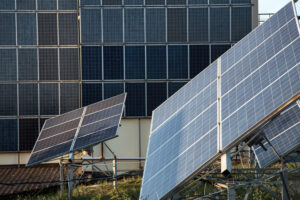
- Solar panels that capture sunlight
- Inverters that convert electricity
- Mounting structures that secure the panels
- Electrical wiring and protection systems
- Monitoring systems that track performance
Most businesses prefer commercial rooftop solar installations because rooftops provide large, unused surfaces that are ideal for solar panel placement. Consequently, companies can generate clean energy without occupying additional land.
Furthermore, many modern commercial solar power installations are grid-connected systems. This means businesses can use solar electricity during the day and draw power from the grid when solar generation is lower.
As a result, commercial solar systems offer a reliable and cost-effective energy solution for organizations looking to reduce long-term electricity expenses.
Our experts design efficient commercial solar systems for businesses of all sizes.
How Commercial Solar Systems Work
A commercial solar power installation works by converting sunlight into electricity that can power commercial operations. Although the technology is sophisticated, the overall process is simple and highly efficient.
The system operates through the following stages:
1. Solar Panels Capture Sunlight
Solar panels installed on rooftops or ground-mounted structures contain photovoltaic cells that absorb sunlight and convert it into direct current (DC) electricity.
2. Inverters Convert Electricity
Since commercial buildings use alternating current (AC) electricity, the DC electricity produced by solar panels is converted into AC power through solar inverters.
3. Electricity Powers the Business
Once converted, the electricity is used to power equipment, lighting, machinery, and other electrical systems within the commercial facility.
4. Excess Power Is Exported to the Grid
If the system produces more electricity than the business consumes, the surplus energy can be exported to the utility grid through net metering programs where available.
Because of this setup, commercial rooftop solar systems can significantly reduce dependence on grid electricity during daylight hours.
Additionally, many modern commercial solar installations include monitoring platforms that allow businesses to track energy production, system performance, and cost savings in real time.
As solar technology continues to improve, commercial solar systems are becoming more efficient, more reliable, and easier to integrate into business infrastructure.
Discover the best rooftop or ground-mounted solar solution for your facility.
Types of Commercial Solar Installations
Businesses can choose from several types of commercial solar installation depending on their available space, energy consumption, and infrastructure. While rooftop systems remain the most common option, many companies also deploy ground-mounted systems or solar carports to maximize solar energy production.
Each type of commercial solar power installation has its own advantages. Therefore, selecting the right system depends on factors such as building design, land availability, energy demand, and long-term expansion plans.
Below are the most widely used commercial solar installation types.
Commercial Rooftop Solar Systems
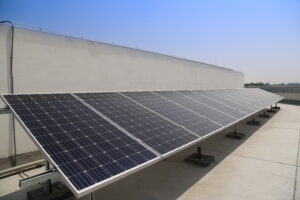
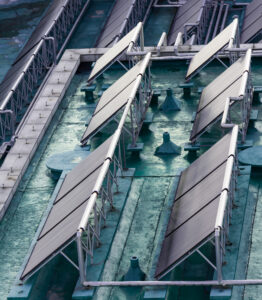
Commercial rooftop solar is the most popular solar solution for businesses because it utilizes existing roof space to generate electricity. Most commercial buildings—such as factories, warehouses, shopping malls, and office complexes—have large rooftops that can accommodate hundreds or even thousands of solar panels.
A typical commercial rooftop solar installation involves mounting solar panels on specialized structures designed to optimize sunlight exposure and maintain structural safety.
Some key advantages of commercial rooftop solar include:
- Efficient use of unused roof space
- Lower installation costs compared to ground systems
- Faster deployment timelines
- Reduced electricity bills for businesses
Moreover, rooftop solar systems are highly scalable. Businesses can start with a smaller system and expand their commercial solar power installation later as energy needs grow.
Additionally, rooftop solar systems help reduce building heat absorption. As a result, indoor temperatures may drop slightly, which can further reduce cooling costs.
Because of these benefits, commercial rooftop solar systems are widely used in industrial and commercial facilities across the world.
Ground-Mounted Commercial Solar Systems
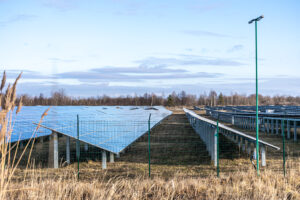
In some cases, rooftops may not provide enough space for the desired solar capacity. When this happens, businesses often choose ground-mounted commercial solar installations.
These systems are installed on open land near the facility and are supported by durable mounting structures anchored into the ground.
Ground-mounted systems offer several advantages:
- Greater flexibility in panel orientation
- Higher efficiency due to optimal tilt angles
- Easier maintenance and cleaning access
- Ability to install larger solar capacities
For example, manufacturing plants, industrial parks, and large corporate campuses often use ground-mounted commercial solar power installations to meet significant energy requirements.
Furthermore, these systems can be designed to scale up to megawatt-level installations, making them suitable for energy-intensive industries.
However, ground-mounted systems require adequate land availability, which may not always be feasible in urban environments.
Discover the best rooftop or ground-mounted solar solution for your facility.
Solar Carports for Commercial Facilities
Solar carports are an innovative form of commercial solar installation where solar panels are mounted on structures built over parking areas. Instead of occupying additional land, businesses can convert parking spaces into productive solar energy systems.
These structures serve two purposes:
- Generate solar electricity
- Provide shaded parking for vehicles
As a result, solar carports are becoming increasingly popular in locations such as:
- Corporate campuses
- Shopping malls
- Hospitals
- Airports
- Universities
A well-designed solar carport can support a significant commercial solar panel installation while also improving the overall functionality of parking infrastructure.
Although carport systems typically cost more than rooftop installations, they offer long-term benefits such as improved space utilization and enhanced sustainability credentials.
Therefore, many organizations adopt solar carports as part of their broader commercial solar power installations strategy.
Step-by-Step Commercial Solar Installation Process
Installing a solar energy system for a commercial facility involves several technical and regulatory steps. A properly planned commercial solar installation ensures optimal energy generation, long system lifespan, and maximum return on investment.
Although the process may vary depending on system size and location, most commercial solar power installations follow a structured engineering and implementation workflow. From initial assessment to system commissioning, every stage plays an important role in ensuring system efficiency and safety.
Below is the typical process followed during a commercial solar panel installation for businesses.
Site Assessment and Energy Analysis
The first step in any commercial solar installation is a comprehensive site evaluation. This stage determines whether a commercial facility is suitable for solar power generation and how large the system should be.
Solar engineers conduct several assessments during this phase, including:
- Electricity consumption analysis to understand energy demand
- Roof condition inspection to ensure structural safety
- Shadow analysis to evaluate sunlight availability
- Available installation area measurement
- Orientation and tilt evaluation
These factors help determine the potential energy generation capacity of the system.
For example, buildings with large flat roofs and minimal shading are ideal for commercial rooftop solar installations. On the other hand, facilities with available land nearby may benefit from ground-mounted systems.
Once the assessment is completed, engineers estimate the expected energy production and projected cost savings.
System Design and Engineering
After feasibility analysis, the next step is designing the solar system. During this stage, engineers create a detailed layout for the commercial solar power installation.
The design process typically includes:
- Solar panel layout planning
- Inverter capacity selection
- Electrical system design
- Mounting structure design
- Cable routing and protection systems
- Energy output simulations
Engineers also ensure that the system complies with electrical safety standards and grid regulations.
Additionally, modern solar design software is used to simulate sunlight exposure throughout the year. This allows engineers to optimize panel placement for maximum energy generation.
A well-engineered design ensures that the commercial solar installation performs efficiently for decades.
Permits and Regulatory Approvals
Before installation begins, businesses must obtain the necessary regulatory approvals. Solar systems connected to the electricity grid require compliance with local electricity distribution authorities.
The approval process may include:
- Utility interconnection approvals
- Net metering registration
- Electrical safety approvals
- Building permits (in some cases)
These approvals ensure that the commercial solar power installation operates safely within the local electrical infrastructure.
Although the process may vary across regions, experienced solar EPC providers usually manage the documentation and approvals on behalf of businesses.
As a result, companies can focus on their operations while experts handle regulatory procedures.
Get professional guidance on designing and installing a reliable solar system.
Commercial Solar Panel Installation
Once approvals are secured, the physical commercial solar panel installation begins. This stage involves installing all system components on the site.
The installation process generally includes:
- Mounting structure installation
Steel or aluminum mounting frames are installed on rooftops or ground foundations. - Solar panel placement
Photovoltaic panels are mounted onto the structures and securely fixed. - Electrical wiring and cabling
Panels are connected through DC wiring systems. - Inverter installation
Solar inverters are installed to convert DC electricity into usable AC power. - Safety systems integration
Surge protection, grounding, and electrical protection devices are installed.
The installation timeline depends on system size. However, most commercial solar installations are completed within a few weeks.
Testing, Commissioning, and Grid Connection
After installation, the system undergoes detailed testing before it becomes operational.
This stage involves:
- Electrical system testing
- Inverter configuration
- Performance verification
- Safety checks
- Grid synchronization
Once testing is completed, the system is officially commissioned and begins generating electricity.
Modern commercial solar power installations also include digital monitoring systems that allow businesses to track energy generation and system performance in real time.
From this point forward, the solar system starts delivering measurable electricity savings and environmental benefits.
Get professional guidance on designing and installing a reliable solar system.
Benefits of Commercial Solar Installation for Businesses
Businesses across industries are increasingly adopting commercial solar installation because it offers both financial and environmental advantages. In addition to lowering electricity costs, solar power helps organizations improve operational efficiency and strengthen their sustainability commitments.
Moreover, modern commercial solar power installations are designed for long-term reliability. Once installed, they can generate electricity for more than two decades with minimal maintenance.
Below are the key benefits businesses can expect from a well-designed commercial solar panel installation.
Significant Reduction in Electricity Costs
Electricity is one of the largest operating expenses for many businesses. By installing a solar energy system, companies can significantly reduce their dependence on grid electricity.
A properly sized commercial solar installation can offset a large portion of a facility’s daily electricity consumption. As a result, businesses often experience electricity cost reductions of 40–70% depending on system capacity and energy usage patterns.
For energy-intensive industries such as manufacturing and logistics, these savings can translate into substantial long-term financial benefits.
Furthermore, solar power is generated directly at the facility. Therefore, businesses avoid transmission losses and rising grid tariffs.
Protection from Rising Electricity Tariffs
Electricity prices tend to increase every year due to inflation, fuel costs, and infrastructure upgrades. This creates uncertainty for businesses that rely heavily on grid power.
However, a commercial solar power installation allows companies to lock in a large portion of their energy costs for decades.
Since solar panels generate electricity from sunlight, the fuel source is free. Consequently, businesses gain protection against future tariff hikes.
This stability makes commercial rooftop solar an effective long-term energy strategy for organizations looking to control operating costs.
Improved Sustainability and ESG Performance
Sustainability has become a major priority for modern businesses. Investors, customers, and regulatory bodies increasingly expect companies to reduce their environmental impact.
A commercial solar installation helps businesses significantly reduce their carbon footprint by generating clean and renewable energy.
Solar systems produce electricity without emitting greenhouse gases or air pollutants. As a result, companies can demonstrate measurable progress toward their Environmental, Social, and Governance (ESG) goals.
Additionally, adopting commercial solar power installations improves brand reputation and shows commitment to responsible energy practices.
Attractive Return on Investment
Solar energy systems are widely recognized as one of the most profitable infrastructure investments for businesses.
Although the initial cost of a commercial solar panel installation may seem significant, the long-term savings quickly offset the investment.
In many cases:
- Payback period: 3–5 years
- System lifespan: 25+ years
- Return on investment: often exceeds traditional investments
Once the system reaches its payback point, the electricity it generates is essentially free for the remainder of its operational life.
Therefore, businesses benefit from decades of reduced energy costs.
Increased Energy Independence
Reliance on grid electricity can expose businesses to power outages, supply fluctuations, and energy price volatility.
With a commercial solar installation, companies generate their own electricity on-site. This reduces dependence on external power sources and improves energy resilience.
Furthermore, when combined with energy storage systems, commercial solar power installations can provide backup power during outages.
This capability is particularly valuable for industries that require uninterrupted operations.
Efficient Use of Commercial Infrastructure
Many commercial buildings have large rooftops that remain unused. Installing commercial rooftop solar allows businesses to convert these idle surfaces into productive energy assets.
Instead of occupying additional land, rooftop systems generate electricity directly from existing infrastructure.
This approach improves space utilization while simultaneously reducing electricity expenses.
For this reason, commercial rooftop solar systems are considered one of the most efficient renewable energy solutions for businesses.
Switch to solar energy and start saving on long-term power expenses.
Cost of Commercial Solar Installation
The cost of a commercial solar installation depends on several factors, including system size, equipment quality, installation complexity, and project location. Although the upfront investment may vary, most businesses find that solar energy delivers substantial long-term financial returns.
In recent years, the cost of commercial solar power installations has decreased significantly due to improvements in solar technology and increased adoption. As a result, solar energy has become one of the most cost-effective power solutions for commercial and industrial facilities.
Below is an overview of the typical costs associated with commercial solar panel installation.
Average Cost per kW for Commercial Solar
Commercial solar systems are usually priced based on cost per kilowatt (kW) of installed capacity.
On average, the cost of a commercial solar installation in many markets ranges between:
₹45,000 – ₹65,000 per kW
However, the total project cost depends on the size of the system. Larger systems typically have lower per-kilowatt costs because of economies of scale.
For example:
| System Size | Estimated Cost Range |
|---|---|
| 50 kW | ₹22 lakh – ₹30 lakh |
| 100 kW | ₹45 lakh – ₹65 lakh |
| 500 kW | ₹2.2 crore – ₹3.2 crore |
| 1 MW | ₹4.5 crore – ₹6.5 crore |
These estimates provide a general idea of what businesses can expect when planning a commercial solar power installation. However, the final cost is determined after a detailed site evaluation and engineering design.
Receive a customized cost analysis based on your business energy needs.
Factors That Affect Commercial Solar Installation Cost
Several technical and operational factors influence the total cost of a commercial solar panel installation. Understanding these variables helps businesses plan their solar investments more effectively.
System Size
The size of the solar system is one of the biggest cost drivers. Larger commercial solar installations require more panels, inverters, and mounting structures.
However, larger projects often benefit from lower per-kilowatt costs due to bulk equipment procurement and installation efficiencies.
Solar Panel Quality
Solar panels account for a significant portion of the total system cost. High-efficiency panels typically cost more but produce greater energy output over the system’s lifespan.
Many businesses choose Tier-1 solar panels because they offer higher reliability and longer warranties.
Inverter Technology
Solar inverters convert DC electricity from panels into usable AC power. The type and capacity of inverters used in commercial solar power installations can impact overall project costs.
Advanced inverter technologies may improve system efficiency and monitoring capabilities.
Mounting Structures
The type of mounting system used in a commercial rooftop solar installation also affects cost.
Examples include:
- Fixed tilt rooftop structures
- Ballasted mounting systems
- Ground-mounted steel structures
- Solar carport structures
More complex mounting systems may increase installation expenses.
Roof Type and Structural Requirements
Different building roofs require different installation methods. For instance:
- Metal roofs may require specialized clamps
- Concrete roofs may need ballast systems
- Fragile roofs may require reinforcement
These factors influence the complexity of the commercial solar installation and therefore impact overall costs.
Installation Location
Project location can also affect the cost of commercial solar power installation due to:
- Local labor costs
- Transportation of equipment
- Regional regulatory requirements
- Utility interconnection processes
Additionally, areas with higher sunlight exposure may generate more electricity, improving overall project economics.
Although the upfront investment may vary, most businesses recover the cost of commercial solar installations within a few years through electricity savings and government incentives.
Government Incentives and Policies for Commercial Solar
Governments across many regions actively promote solar energy adoption to accelerate the transition toward clean and sustainable power. As a result, several policies and financial incentives are available to encourage commercial solar installation for businesses.
These incentives significantly improve the economics of commercial solar power installations by reducing upfront investment costs and improving overall return on investment.
Below are some of the most important policies and benefits available to businesses installing solar systems.
Net Metering Benefits
Net metering is one of the most important policies supporting commercial solar installations. Under this mechanism, businesses can export surplus solar electricity back to the grid.
When a commercial solar panel installation produces more electricity than the facility consumes, the excess energy is sent to the local utility grid. In return, the business receives energy credits that can offset electricity consumption during non-solar hours.
This mechanism offers several benefits:
- Maximizes the value of solar energy production
- Reduces electricity bills even further
- Improves overall system return on investment
For facilities with large commercial rooftop solar systems, net metering allows them to fully utilize the solar power generated during peak sunlight hours.
However, the availability and structure of net metering policies may vary depending on local electricity regulations.
Accelerated Depreciation Benefits
Another major financial advantage for businesses investing in commercial solar power installations is accelerated depreciation.
Accelerated depreciation allows companies to claim a significant portion of the solar system cost as depreciation in the early years of operation. This provides tax savings that reduce the effective cost of the solar investment.
For many businesses, this incentive improves the financial viability of a commercial solar installation by shortening the payback period.
Because of this tax benefit, solar energy projects often become more attractive compared to traditional infrastructure investments.
State-Level Solar Incentives
In addition to national policies, many regions offer state-level incentives to encourage the adoption of solar energy systems.
These incentives may include:
- Capital subsidies for solar installations
- Electricity tariff benefits
- Renewable energy credits
- Additional tax advantages
Depending on the location of the project, these incentives can significantly reduce the cost of commercial solar power installation.
Businesses considering commercial solar panel installation should evaluate available incentives in their region, as policy support can vary widely between states and electricity distribution companies.
Government incentives, combined with falling technology costs, have made commercial solar installations one of the most financially attractive energy investments for businesses today.
Our team helps businesses leverage available solar policies and financial benefits.
How to Choose the Right Commercial Solar Installer
Selecting the right partner for a commercial solar installation is one of the most important decisions a business will make during the solar adoption process. The quality of engineering, installation, and ongoing support directly affects the performance and lifespan of the solar system.
Because commercial solar power installations are long-term infrastructure investments, businesses should carefully evaluate potential solar providers before moving forward.
Below are the key factors businesses should consider when choosing a solar installation partner.
Experience in Commercial Solar Power Installations
Experience plays a critical role in the success of a commercial solar installation. Commercial projects are significantly more complex than residential systems and require specialized engineering expertise.
Therefore, businesses should prioritize installers with a proven track record of completing commercial solar power installations for industrial and commercial facilities.
An experienced installer can provide:
- Accurate energy production estimates
- Efficient system design
- Faster installation timelines
- Compliance with regulatory requirements
Additionally, experienced EPC providers are better equipped to handle large-scale commercial solar panel installations for factories, warehouses, and corporate buildings.
Quality of Solar Panels and Components
The performance and durability of a commercial solar installation depend heavily on the quality of the equipment used.
Businesses should ensure that installers use high-quality components, including:
- Tier-1 solar panels
- Reliable solar inverters
- Durable mounting structures
- High-grade electrical components
Although premium equipment may increase the initial cost of commercial solar power installation, it often delivers higher energy output and lower maintenance costs over time.
As a result, businesses benefit from improved long-term system reliability.
Engineering, Procurement, and Construction (EPC) Capability
Many successful commercial solar installations are executed by solar EPC providers. EPC stands for Engineering, Procurement, and Construction, which means the provider manages the entire solar project from design to commissioning.
Working with an EPC contractor offers several advantages:
- Integrated project management
- Optimized system design
- Faster project execution
- Quality control during installation
An EPC provider typically handles every aspect of the commercial solar panel installation, including site assessment, engineering design, equipment sourcing, installation, and commissioning.
This integrated approach ensures that the project is completed efficiently and according to industry standards.
After-Sales Support and Monitoring
Solar systems operate for decades, so ongoing support is essential after installation.
A reliable installer should provide comprehensive post-installation services, such as:
- System monitoring platforms
- Preventive maintenance services
- Performance inspections
- Technical support
Modern commercial solar power installations often include digital monitoring systems that track energy generation and system health in real time.
This allows businesses to quickly identify performance issues and ensure the system continues to operate at optimal efficiency.
Choosing a solar installer that offers strong after-sales support helps protect the long-term value of a commercial solar installation.
Partner with experts who deliver reliable commercial solar installations.
Industries That Benefit from Commercial Solar Installation
A wide range of industries are adopting commercial solar installation to reduce operating costs and improve sustainability. Since electricity is a major expense for many businesses, generating power through solar energy provides both financial and environmental benefits.
Moreover, modern commercial solar power installations are highly scalable. This means they can support the energy requirements of small businesses as well as large industrial facilities.
Below are some of the key industries that benefit the most from commercial solar panel installation.
Manufacturing Facilities
Manufacturing plants typically consume large amounts of electricity for machinery, production lines, and industrial processes. As a result, energy costs often represent a significant portion of operating expenses.
Installing a commercial solar installation allows manufacturers to offset a large share of their daytime electricity consumption.
Factories with large rooftops are particularly well suited for commercial rooftop solar systems. These facilities can install high-capacity solar systems that generate significant energy throughout the day.
Consequently, manufacturers can achieve major electricity savings while also improving the sustainability of their production operations.
Warehouses and Logistics Parks
Warehouses and logistics hubs usually have large roof surfaces that receive unobstructed sunlight. These expansive rooftops make them ideal candidates for commercial solar panel installation.
Although warehouses may not have extremely high energy consumption compared to factories, solar energy can still significantly reduce electricity expenses related to:
- Lighting systems
- HVAC systems
- Automated logistics equipment
- Security infrastructure
Because of the large available roof space, many logistics companies deploy commercial rooftop solar systems with capacities ranging from hundreds of kilowatts to several megawatts.
Shopping Malls and Commercial Complexes
Shopping malls and commercial buildings require significant electricity to power lighting, escalators, air conditioning, and retail operations.
By implementing commercial solar power installations, these facilities can reduce electricity costs while also enhancing their sustainability credentials.
Many malls install solar panels on rooftops or parking structures, transforming underutilized spaces into productive solar power systems.
Additionally, adopting solar energy allows commercial complexes to demonstrate environmental responsibility, which is increasingly valued by customers and tenants.
Hospitals and Healthcare Facilities
Hospitals operate around the clock and require reliable electricity for medical equipment, lighting, and life-support systems.
Although solar energy alone may not power the entire facility, a commercial solar installation can significantly reduce daytime electricity consumption.
Hospitals with large buildings often install commercial rooftop solar systems to generate clean electricity and reduce operational costs.
Furthermore, solar energy aligns well with the sustainability initiatives that many healthcare institutions are now pursuing.
Hotels and Resorts
Hotels consume large amounts of electricity for lighting, air conditioning, kitchen operations, and guest services.
By installing a commercial solar panel installation, hotels can generate renewable energy directly on-site. This reduces electricity expenses while also enhancing the property’s environmental image.
Many resorts and hospitality businesses adopt commercial solar power installations as part of their sustainability strategy, which can also appeal to environmentally conscious travelers.
Educational Institutions
Schools, colleges, and universities often have large campus buildings and open rooftops, making them excellent candidates for commercial solar installation.
Educational institutions can benefit from solar energy in several ways:
- Lower electricity costs
- Educational opportunities for students
- Reduced environmental impact
- Long-term operational savings
Many campuses install commercial rooftop solar systems that power classrooms, laboratories, and administrative buildings.
As a result, solar energy not only reduces operating costs but also supports environmental education and sustainability initiatives.
See how solar energy can power your facility efficiently and sustainably.
Commercial Solar Installation Capacity Guide
The capacity of a commercial solar installation depends on the electricity consumption of the business, the available installation area, and the long-term energy strategy of the organization. Solar systems are typically measured in kilowatts (kW) or megawatts (MW) based on their power generation capacity.
Choosing the right system size is essential because it determines how much electricity the commercial solar power installation can generate and how much of the facility’s energy demand it can offset.
Below are common commercial solar system capacities used by businesses.
50 kW Commercial Solar System
A 50 kW commercial solar installation is often suitable for small to medium-sized commercial facilities such as offices, retail stores, small warehouses, and educational institutions.
This system size can typically generate enough electricity to power:
- Office equipment
- Lighting systems
- Air conditioning units
- Small commercial operations
A 50 kW commercial solar panel installation usually requires approximately 4,000–5,000 square feet of rooftop space, depending on panel efficiency and system design.
For many small businesses, this capacity offers a practical starting point for adopting commercial rooftop solar while reducing electricity expenses.
100 kW Commercial Solar System
A 100 kW commercial solar installation is commonly used by medium-sized businesses and facilities with higher energy consumption.
Examples of facilities that benefit from this capacity include:
- Manufacturing workshops
- Medium-sized warehouses
- Hotels and restaurants
- Commercial office buildings
A 100 kW commercial solar power installation can generate a significant portion of a facility’s daytime electricity requirements.
Typically, this system requires around 8,000–10,000 square feet of rooftop space. Because of its energy generation capacity, a 100 kW system can produce substantial electricity savings over time.
500 kW Commercial Solar System
A 500 kW commercial solar installation is designed for large commercial facilities and industrial operations.
Businesses that often deploy this capacity include:
- Large manufacturing plants
- Industrial facilities
- Logistics hubs
- Shopping malls
A 500 kW commercial solar panel installation can offset a major share of a facility’s electricity demand.
These systems typically require 40,000–50,000 square feet of installation area, which may include rooftops or ground-mounted structures.
Due to their scale, these commercial solar power installations deliver significant long-term energy savings and often achieve strong financial returns.
1 MW Commercial Solar Power Installation
A 1 MW commercial solar installation is typically used by large industrial campuses or energy-intensive operations.
Facilities that commonly adopt megawatt-scale solar systems include:
- Large factories
- Industrial parks
- Corporate campuses
- Logistics and distribution centers
A 1 MW commercial solar power installation can generate a substantial amount of electricity annually, significantly reducing dependence on grid power.
These systems usually require around 90,000–100,000 square feet of installation area depending on system design.
For many large organizations, megawatt-scale commercial solar installations become a core part of their long-term energy infrastructure.
Our engineers calculate the optimal solar capacity for your business.
Commercial Rooftop Solar Maintenance and Lifespan
One of the biggest advantages of a commercial solar installation is its long operational lifespan and minimal maintenance requirements. Once installed, solar systems can generate electricity reliably for decades while requiring only periodic inspection and basic upkeep.
Modern commercial solar power installations are designed using durable materials and advanced engineering standards. As a result, businesses can depend on consistent energy production with relatively low maintenance costs.
Below are the key aspects businesses should understand regarding the maintenance and lifespan of commercial solar panel installations.
Solar Panel Lifespan
Most solar panels used in commercial solar installations are built to operate efficiently for 25 to 30 years or more. Manufacturers typically provide performance warranties that guarantee a high percentage of energy output over this period.
For example, many solar panel manufacturers offer warranties ensuring that panels will still produce around 80–85% of their original efficiency after 25 years.
Because of this long lifespan, commercial rooftop solar systems deliver long-term electricity savings well beyond the initial payback period.
Even after the warranty period, solar panels often continue generating electricity, although at slightly reduced efficiency.
Maintenance Requirements
Compared to many other energy systems, commercial solar power installations require very little routine maintenance. However, periodic maintenance is important to ensure optimal performance.
Common maintenance activities include:
- Cleaning solar panels to remove dust and debris
- Inspecting electrical connections
- Checking inverter performance
- Monitoring system output
- Inspecting mounting structures
Dust accumulation can slightly reduce solar panel efficiency. Therefore, occasional cleaning helps maintain maximum power generation.
Most businesses schedule maintenance inspections once or twice a year for their commercial solar installations.
Monitoring and Performance Optimization
Modern commercial solar panel installations often include digital monitoring systems that track energy production in real time. These monitoring platforms allow businesses to evaluate system performance and detect potential issues quickly.
Key monitoring features may include:
- Real-time electricity generation tracking
- Performance analytics
- Fault detection alerts
- Historical energy production reports
With these tools, businesses can ensure that their commercial rooftop solar systems are operating at peak efficiency.
Additionally, monitoring platforms provide valuable insights into energy consumption patterns. This helps businesses optimize electricity usage and maximize the benefits of their commercial solar power installation.
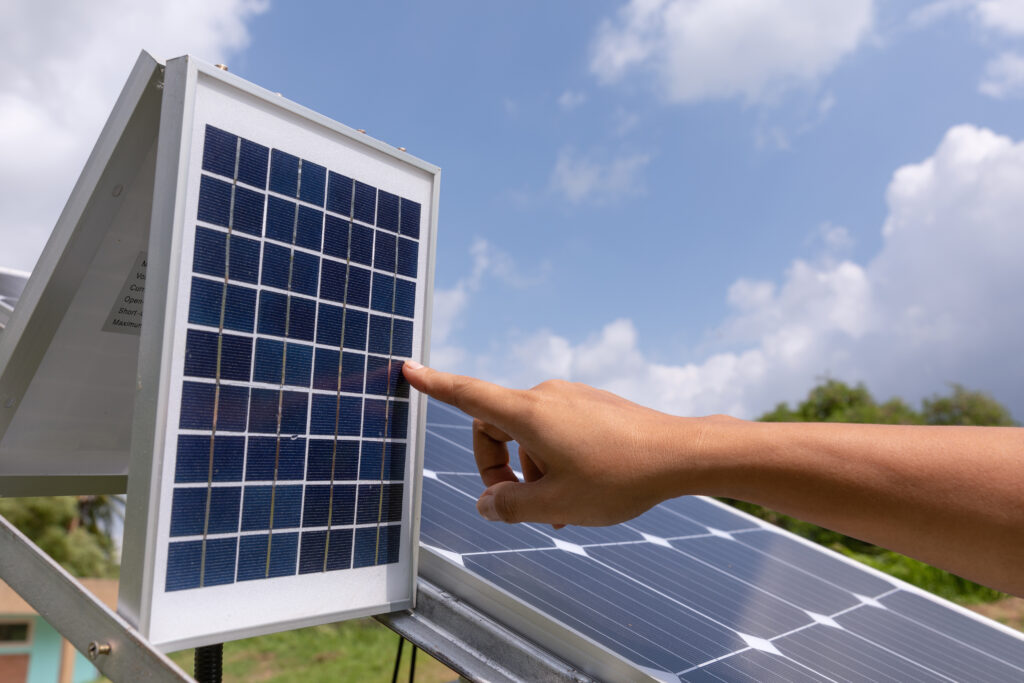
Learn how proper monitoring and maintenance maximize system efficiency.
Common Challenges in Commercial Solar Installation
Although commercial solar installation offers substantial benefits, businesses should also be aware of certain technical and operational challenges that may arise during project planning and implementation.
Understanding these potential challenges allows organizations to prepare effectively and ensure a smoother installation process. Fortunately, most issues can be resolved through proper engineering, site assessment, and collaboration with experienced solar EPC providers.
Below are some of the most common challenges encountered during commercial solar power installations.
Roof Load Capacity
One of the first technical considerations for a commercial rooftop solar system is the structural strength of the building roof.
Solar panels, mounting structures, and electrical equipment add additional weight to the rooftop. Therefore, engineers must evaluate whether the roof can safely support the commercial solar panel installation.
If the roof structure is not strong enough, businesses may need to:
- Reinforce the roof structure
- Reduce system size
- Consider ground-mounted solar installations
A professional structural assessment helps ensure that the commercial solar installation meets safety standards and performs reliably over time.
Shadow Obstruction
Solar panels generate maximum electricity when they receive direct sunlight. However, shadows from nearby buildings, trees, or equipment can reduce system efficiency.
During the planning phase, solar engineers perform detailed shadow analysis to determine how sunlight moves across the site throughout the day and across different seasons.
If shading is present, designers may adjust the commercial solar power installation layout to minimize performance losses. In some cases, panel placement or tilt angles may be modified to optimize sunlight exposure.
Regulatory Approvals
Another challenge businesses may face is navigating regulatory approvals required for commercial solar installations.
Solar systems connected to the electricity grid must comply with utility regulations and electrical safety standards. This process may involve approvals for:
- Grid interconnection
- Net metering registration
- Electrical inspections
- Local building permits
The approval process can vary depending on the electricity distribution authority and regional policies. However, experienced EPC contractors typically manage these requirements during commercial solar panel installation projects.
Financing and Budget Planning
Although solar energy delivers long-term savings, the upfront investment required for commercial solar power installations can be substantial.
Businesses must evaluate financing options and return on investment before proceeding with the project. Fortunately, several financing models are available, including:
- Direct capital investment
- Solar leasing arrangements
- Power Purchase Agreements (PPAs)
- Green financing programs
Careful financial planning ensures that the commercial solar installation aligns with the company’s budget and long-term energy strategy.
Consult solar experts to plan a smooth and efficient installation.
Is Commercial Solar Installation Worth It for Businesses?
For many organizations, commercial solar installation is one of the most effective ways to reduce electricity costs and improve sustainability. With rising energy prices and growing environmental awareness, solar energy offers a practical solution for businesses seeking long-term operational efficiency.
A well-designed commercial solar panel installation allows companies to generate clean electricity directly at their facilities. As a result, businesses can significantly lower their reliance on grid power while also stabilizing energy expenses.
In addition to financial benefits, commercial solar power installations support corporate sustainability goals. By adopting renewable energy, businesses can reduce carbon emissions and demonstrate commitment to environmentally responsible operations.
Furthermore, solar systems typically operate for 25 years or more, which means companies continue to benefit from reduced electricity costs long after the system has paid for itself.
Because of these advantages, commercial rooftop solar has become a strategic investment for organizations across industries—from manufacturing plants and warehouses to hospitals, hotels, and educational institutions.
For businesses seeking long-term energy savings, improved sustainability performance, and protection against rising electricity tariffs, commercial solar energy is increasingly becoming the preferred solution.
Discover how solar power can transform your business energy strategy.
Frequently Asked Questions About Commercial Solar Installation
How much does commercial solar installation cost?
The cost of a commercial solar installation typically depends on system size, equipment quality, and installation complexity. On average, commercial solar systems may cost between ₹45,000 and ₹65,000 per kW.
For example:
- 50 kW system: approximately ₹22–30 lakh
- 100 kW system: approximately ₹45–65 lakh
- 500 kW system: approximately ₹2.2–3.2 crore
- 1 MW system: approximately ₹4.5–6.5 crore
However, the final cost of a commercial solar power installation is determined after site inspection, energy analysis, and engineering design.
How long does commercial solar panel installation take?
The installation timeline for a commercial solar panel installation depends on the system size and project complexity.
In most cases:
- Small commercial systems (50–100 kW) may take 2–4 weeks
- Medium systems (100–500 kW) may take 1–2 months
- Large systems (1 MW or more) may take 2–3 months
This timeline includes installation, electrical integration, testing, and commissioning of the commercial solar installation.
What is the lifespan of commercial rooftop solar systems?
Most commercial rooftop solar systems are designed to operate for 25–30 years.
Solar panels typically come with performance warranties that guarantee around 80–85% efficiency after 25 years. Inverters may require replacement after 10–15 years, depending on usage and technology.
With proper maintenance, commercial solar power installations can continue generating electricity even beyond their warranty period.
Can businesses sell excess solar electricity to the grid?
Yes. Many regions offer net metering policies, which allow businesses to export surplus electricity generated by their commercial solar installation to the grid.
When the solar system produces more electricity than the facility consumes, the excess energy is sent to the utility grid. The business then receives energy credits that offset electricity consumption at other times.
This mechanism improves the financial return of commercial solar panel installations.
What size solar system does a commercial building need?
The ideal size of a commercial solar installation depends on several factors, including:
- Electricity consumption of the facility
- Available rooftop or land area
- Budget and investment goals
- Local solar energy potential
Small commercial buildings may install systems ranging from 30 kW to 100 kW, while larger facilities may deploy 500 kW to 1 MW commercial solar power installations or more.
A professional solar feasibility study helps determine the optimal system size for each business.