
Small batch injection molding is no longer a compromise—it’s a go-to manufacturing strategy for startups, hardware teams, and MSMEs that need production-grade plastic parts without committing to high tooling costs or large minimum order quantities (MOQs). If you’re searching for injection molding solutions for small batch runs or small batch plastic manufacturing, you’re likely trying to balance three competing goals: speed to market, cost control, and production-quality outcomes.
Traditional injection molding suppliers are optimized for mass production. Their pricing, tooling strategy, and scheduling models often don’t work for low-volume runs, pilot launches, or early market validation. This gap is why small batch injection molding has become critical for teams building MVPs, launching new SKUs, or bridging from prototyping to scaled production.
At Manufyn, we support small batch injection molding programs by combining DFM-first engineering, pilot tooling strategies, and on-demand access to vetted molding partners. This lets teams produce 100–10,000+ parts with production-grade quality—without locking capital into full-scale tooling before demand is proven. The result: faster launches, lower risk, and a clear path from small batch to scale.
This guide breaks down what small batch injection molding actually means, when it makes sense versus 3D printing or CNC machining, how to structure tooling and costs, and how to choose a manufacturing model that won’t slow your growth.
Why Small Batch Injection Molding Matters (And Where Traditional Manufacturing Fails)
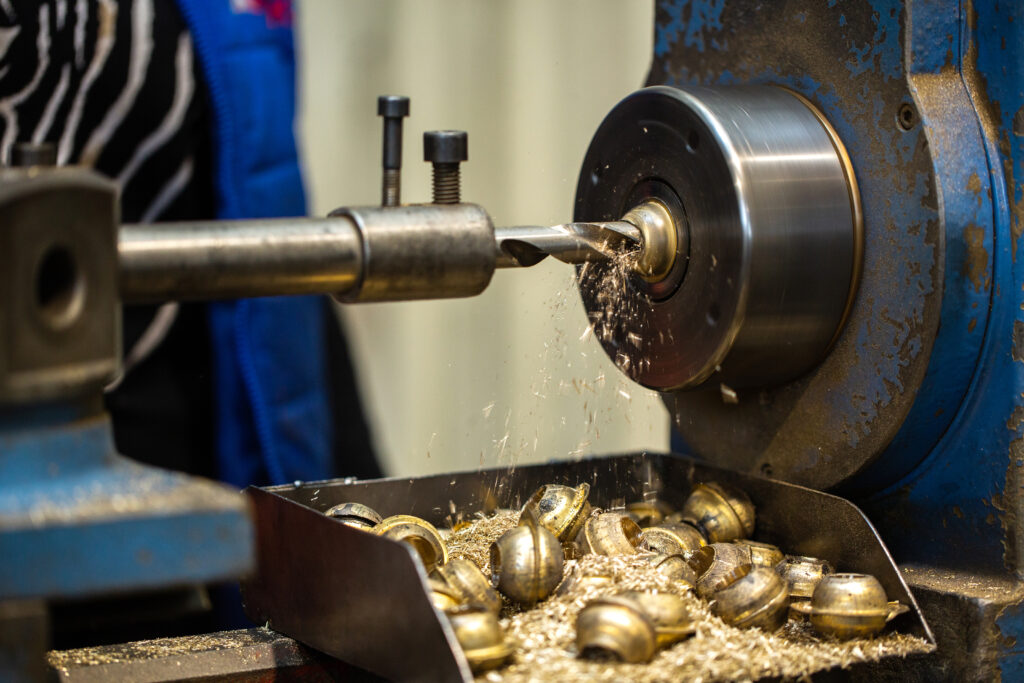
Small batch injection molding sits between prototyping and mass production. It’s designed for scenarios where you need real materials, real tolerances, and real surface finish—but not at the volumes that justify expensive multi-cavity production molds.
How small batch injection molding differs from mass production
- Tooling strategy: Pilot or bridge molds (often aluminum or simplified steel) instead of full hardened production molds
- Volumes: Designed for low-volume runs, pilot launches, and early commercialization
- Flexibility: Faster iteration for design changes (ECOs)
- Time-to-market: Shorter lead times to first parts compared to traditional production tooling
- Cost curve: Lower upfront tooling cost; slightly higher per-part cost than mass production (which normalizes as volumes scale)
Typical volume bands (practical guide)
- 100–1,000 parts: Pilot runs, beta programs, limited releases
- 1,000–5,000 parts: Early commercialization, bridge manufacturing
- 5,000–10,000+ parts: Pre-scale production before investing in hardened molds
When small batch injection molding is the right choice
Choose small batch injection molding when:
- 3D printing no longer meets material, strength, or finish requirements
- CNC machining is too costly per part for plastics at your target volumes
- You need repeatability for assembly, testing, or regulatory submissions
- You want to validate demand before committing to high-cavitation production tooling
Small batch injection molding enables low-volume production with real plastic materials and production-grade quality, bridging the gap between prototyping and mass manufacturing while keeping tooling risk low.
Manufyn structures small batch programs using bridge tooling and DFM-first part optimization, so teams get production-quality parts early—without overinvesting in tooling before volumes are proven.
Injection Molding Solutions for Small Batch Runs: What to Look For (Buyer’s Checklist)
Not all suppliers are set up for small batch injection molding. Many are optimized for high-volume programs, which can inflate costs and lead times for low-volume needs. Use this checklist to evaluate injection molding solutions for small batch runs:
Tooling strategy built for low volumes
- Availability of pilot/bridge tooling options
- Clear roadmap to transition from pilot molds to production molds
- Transparent mold ownership and modification terms
DFM before tooling (non-negotiable for small batches)
- Early feedback on wall thickness, draft, ribs, and gating
- Changes that reduce tooling complexity and cycle time
- Fewer ECOs after steel is cut (major cost saver for low volumes)
Lead times optimized for pilots
- Faster time-to-first-article (T1)
- Ability to schedule short runs without long production queues
- Parallel tooling options when speed matters
Cost structure aligned to low volumes
- Lower upfront tooling cost (accepting slightly higher per-part cost)
- Clear break-even points for when to upgrade to production tooling
- No forced MOQs that lock you into excess inventory
Materials & quality suitable for real-world use
- Access to production-grade resins (ABS, PC, Nylon, PP, etc.)
- Repeatable dimensions for assembly fit
- Documented QC for early customer shipments or compliance testing
The best injection molding solutions for small batch runs combine pilot tooling, DFM-first design, fast lead times, and a clear scale-up path—without forcing high MOQs or expensive production molds too early.
Manufyn differentiation:
Manufyn is built for small batch runs by design—offering DFM-led part optimization, bridge tooling, fast T1 timelines, and access to multiple vetted molding partners. This lets you launch small batches quickly and scale only when demand is proven, without supplier lock-in.
Small Batch Plastic Manufacturing vs 3D Printing & CNC Machining (Cost, Quality & Break-Even Framework)
When teams evaluate small batch plastic manufacturing, the real question is not “Which process is cheaper?”—it’s which process delivers the right combination of cost, quality, and scalability at your current volume. Here’s a practical framework to decide between small batch injection molding, 3D printing, and CNC machining:
Quick comparison (what each process is best for)
| Factor | Small Batch Injection Molding | 3D Printing | CNC Machining (Plastics) |
|---|---|---|---|
| Best for | Production-grade low volumes | Rapid prototyping, complex internals | Tight tolerances, low-volume plastics |
| Typical volumes | 100–10,000+ parts | 1–500 parts | 10–2,000 parts |
| Upfront cost | Tooling (pilot/bridge mold) | Minimal | Minimal |
| Per-part cost | Low at volume; decreases as qty grows | High per part | Medium–high per part |
| Material properties | Production resins (ABS, PC, Nylon, PP) | Limited to printable polymers | Production-grade plastics |
| Surface finish | Production finish | Post-processing often needed | Good, but tool marks possible |
| Repeatability | High | Medium | High |
| Scale path | Seamless to mass production | Requires process switch | Requires process switch |
Practical break-even logic (rule of thumb)
- 1–200 parts: 3D printing is fastest and cheapest for design validation.
- 200–2,000 parts: CNC machining can work for plastics if tolerances are critical, but costs climb quickly.
- 1,000–10,000+ parts: Small batch injection molding usually becomes the most economical way to get production-quality plastic parts—even after accounting for pilot tooling.
For low-volume production with real materials and repeatable quality, small batch injection molding typically beats 3D printing and CNC machining once volumes cross the low hundreds to low thousands—while preserving a clear path to scale.
Quality & downstream implications
- Injection molding: Best for assembly fit, cosmetic consistency, and material performance.
- 3D printing: Great for speed, but printed parts often differ mechanically from molded parts—risking redesign later.
- CNC machining: Strong tolerances, but higher per-part cost and limited scalability for complex geometries.
How Manufyn helps you choose the right process
Manufyn helps teams avoid costly process switches by:
- Comparing total landed cost across 3D printing, CNC, and small batch injection molding
- Recommending bridge tooling when volumes are near the break-even point
- Structuring a scale roadmap so your early manufacturing decisions don’t block mass production later
Unsure where your break-even point lies? Share your part drawings and target volumes with Manufyn to get a quick process recommendation before you commit.
Costs, Tooling & Lead Times for Small Batch Injection Molding (What Actually Drives Price)
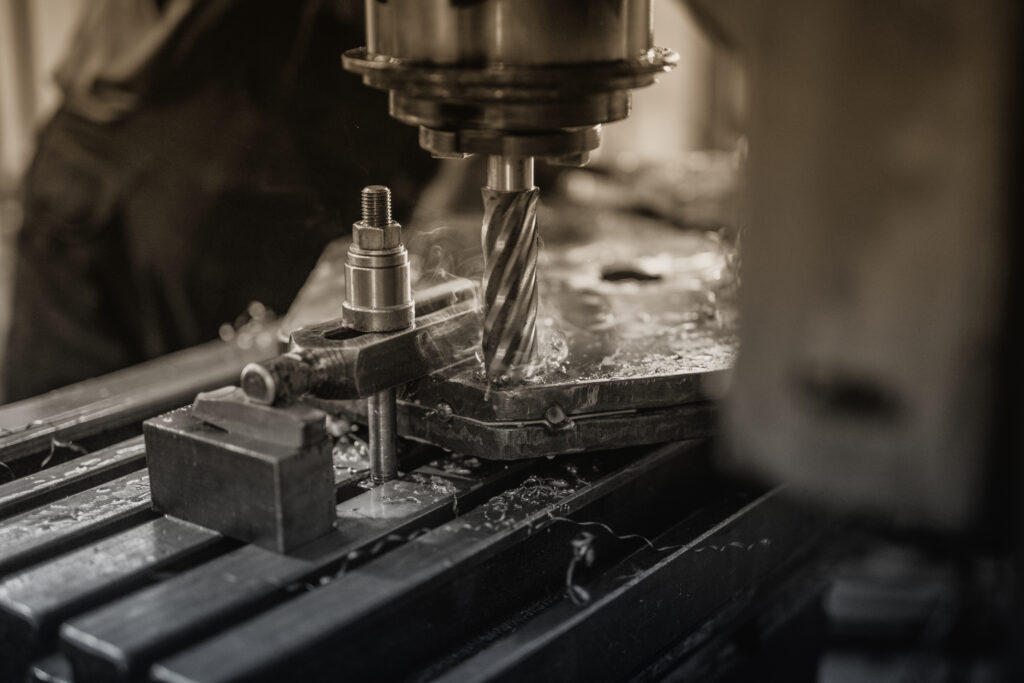
For teams exploring small batch injection molding, cost predictability and time-to-first-parts are the two biggest concerns. The good news: small batch programs can be structured to keep upfront tooling low while delivering production-grade parts quickly—if you choose the right tooling strategy and supplier model.
What drives tooling cost in small batch runs
Tooling is the primary upfront cost driver. In small batch programs, tooling can be optimized by:
- Pilot/bridge molds (aluminum or simplified steel) instead of hardened production molds
- Single-cavity molds to reduce upfront cost for early demand
- Simplified actions (fewer slides/lifters) through DFM
- Designing for moldability to avoid costly rework after steel is cut
In small batch injection molding, pilot tooling reduces upfront cost and lead time, making low-volume production commercially viable without committing to full production molds.
What drives per-part cost
Per-part pricing in small batch plastic manufacturing depends on:
- Cycle time (cooling dominates unit economics)
- Material selection (ABS, PC, Nylon, PP, specialty grades)
- Cavitation (single vs multi-cavity as volumes rise)
- Scrap rate and rework (directly linked to DFM quality)
- Secondary operations (insert molding, assembly, finishing)
Optimization lever: Reducing cycle time and scrap often yields larger savings than negotiating shop rates.
Typical lead times (what to plan for)
While exact timelines vary by complexity, a realistic planning window for small batch injection molding is:
- DFM + mold design: days to a few weeks
- Pilot tooling build: weeks
- T1 (first articles): days after tool completion
- Small batch production: days to weeks, depending on run size and scheduling
Small batch injection molding can deliver production-grade parts in weeks—not months—when pilot tooling and parallel capacity are used.
How Manufyn compresses cost and lead time
Manufyn accelerates small batch programs by:
- Running DFM before tooling to prevent rework
- Offering bridge tooling options aligned to early demand
- Accessing parallel molding capacity to avoid production queues
- Creating a scale roadmap so tooling investments match real volume growth
Want realistic costs and timelines for your small batch run? Share your drawings with Manufyn for a quick feasibility and cost breakdown.
Why Manufyn Is Built for Small Batch Injection Molding (What Traditional Suppliers Don’t Offer)
Most injection molding suppliers are optimized for high-volume production. Their processes, pricing, and scheduling models are not designed for small batch injection molding, where flexibility, fast iteration, and low-risk tooling matter more than maximizing machine utilization. This mismatch is why many small batch programs stall or become expensive.
Manufyn is purpose-built for small batch runs. Our model combines DFM-first engineering, pilot tooling strategies, and on-demand access to vetted molding partners to help teams move from prototype to production without overcommitting capital.
DFM-First Approach (Reduce Rework Before Steel Is Cut)
Small batch economics depend heavily on getting the design right early. Manufyn starts with Design for Manufacturability (DFM) to:
- Optimize wall thickness, draft, ribs, and gating
- Reduce tooling complexity and cycle time
- Prevent costly ECOs after tooling is built
- Improve first-pass yield and cosmetic consistency
DFM before tooling is the fastest way to reduce cost and lead time in small batch injection molding.
Pilot Tooling → Production Tooling Roadmap
Instead of forcing teams into expensive hardened molds upfront, Manufyn structures a tooling roadmap:
- Pilot/bridge tooling for early demand and market validation
- Upgrade paths to production tooling once volumes stabilize
- Mold ownership clarity to protect long-term flexibility
This keeps tooling investment aligned with real demand—critical for startups and MSMEs.
On-Demand Capacity Without Supplier Lock-In
Small batch programs are vulnerable to:
- Production queues
- Capacity constraints
- Single-supplier risk
Manufyn mitigates this by providing access to multiple vetted molding partners, enabling:
- Faster time-to-first-parts via parallel capacity
- Capacity buffering during demand spikes
- Program continuity if one shop is constrained
Scale Path Without Process Switching
A common failure mode is building early volumes with 3D printing or CNC machining and then redesigning later for molding. Manufyn helps you:
- Design parts for molding from day one
- Produce small batches with molding-ready geometry
- Scale to mass production without changing processes or requalifying parts
Program Management & Quality Controls
Manufyn adds a layer of program governance that small teams often lack:
- Supplier qualification
- First-article validation workflows
- QC checkpoints across batches
- Documentation for regulated or customer-facing programs
Planning an injection molding program in California? Share your drawings and volume targets with Manufyn to get tooling guidance, realistic costs, and a production plan—without locking into a single shop upfront.
Why Manufyn Is Built for Small Batch Injection Molding (What Traditional Suppliers Don’t Offer)
Most injection molding suppliers are optimized for high-volume production. Their processes, pricing, and scheduling models are not designed for small batch injection molding, where flexibility, fast iteration, and low-risk tooling matter more than maximizing machine utilization. This mismatch is why many small batch programs stall or become expensive.
Manufyn is purpose-built for small batch runs. Our model combines DFM-first engineering, pilot tooling strategies, and on-demand access to vetted molding partners to help teams move from prototype to production without overcommitting capital.
DFM-First Approach (Reduce Rework Before Steel Is Cut)
Small batch economics depend heavily on getting the design right early. Manufyn starts with Design for Manufacturability (DFM) to:
- Optimize wall thickness, draft, ribs, and gating
- Reduce tooling complexity and cycle time
- Prevent costly ECOs after tooling is built
- Improve first-pass yield and cosmetic consistency
DFM before tooling is the fastest way to reduce cost and lead time in small batch injection molding.
Pilot Tooling → Production Tooling Roadmap
Instead of forcing teams into expensive hardened molds upfront, Manufyn structures a tooling roadmap:
- Pilot/bridge tooling for early demand and market validation
- Upgrade paths to production tooling once volumes stabilize
- Mold ownership clarity to protect long-term flexibility
This keeps tooling investment aligned with real demand—critical for startups and MSMEs.
On-Demand Capacity Without Supplier Lock-In
Small batch programs are vulnerable to:
- Production queues
- Capacity constraints
- Single-supplier risk
Manufyn mitigates this by providing access to multiple vetted molding partners, enabling:
- Faster time-to-first-parts via parallel capacity
- Capacity buffering during demand spikes
- Program continuity if one shop is constrained
Scale Path Without Process Switching
A common failure mode is building early volumes with 3D printing or CNC machining and then redesigning later for molding. Manufyn helps you:
- Design parts for molding from day one
- Produce small batches with molding-ready geometry
- Scale to mass production without changing processes or requalifying parts
Program Management & Quality Controls
Manufyn adds a layer of program governance that small teams often lack:
- Supplier qualification
- First-article validation workflows
- QC checkpoints across batches
- Documentation for regulated or customer-facing programs
If you’re planning small batch injection molding, Manufyn can help you design the tooling roadmap, validate DFM, and secure production capacity—so you can launch faster with less risk.
FAQs: Small Batch Injection Molding
Small batch injection molding is the production of plastic parts in low to medium volumes (typically 100–10,000+ units) using injection molding with pilot or bridge tooling. It delivers production-grade materials and repeatable quality without the high upfront cost of full-scale production molds.
Yes. With pilot tooling and DFM-first design, injection molding is commercially viable for low volumes when you need real materials, tight tolerances, and repeatability. It often becomes cost-effective compared to 3D printing or CNC machining once volumes reach the low hundreds to low thousands.
While there’s no universal definition, small batch runs typically range from 100 to 10,000+ units. The exact threshold depends on part complexity, tooling strategy, and per-part economics.
Common production-grade plastics include ABS, PC, Nylon, and PP. Material choice depends on strength, temperature resistance, and cosmetic requirements.
With pilot tooling, teams can receive first articles in weeks and complete small batch production shortly after, depending on part complexity and scheduling.
Need injection molding solutions for small batch runs?
Share your part drawings with Manufyn to get DFM feedback, pilot tooling options, and realistic costs and timelines—so you can launch low-volume production without high MOQs.