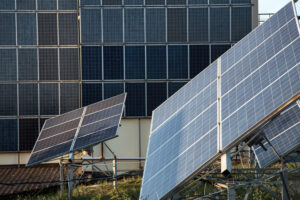
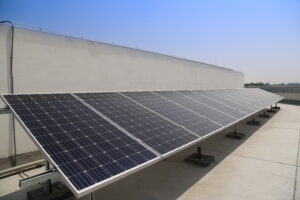
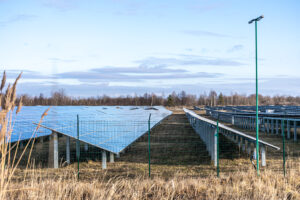
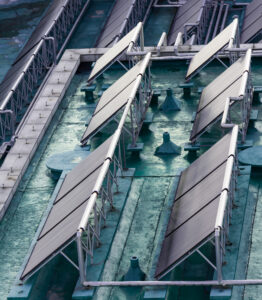
Manufyn delivers EPC projects across residential, industrial and commercial sites
Choosing a Solar EPC contractor is not just about getting panels installed. It’s about selecting a partner who will design, build, and commission a power plant that needs to perform reliably for the next 20–25 years.
Most solar project issues don’t happen because of bad technology. They happen because buyers didn’t ask the right questions before signing the EPC contract. Price and timelines are important, but they don’t tell you how your plant will actually perform, how smoothly the project will run, or how many hidden costs you might face later.
This checklist covers the most important questions to ask a Solar EPC contractor before you hire one — grouped around experience, engineering, scope, compliance, execution, and long-term performance. Use it to avoid common EPC mistakes and make a more informed, lower-risk decision.
Get a quick readiness assessment for your site
EPC Experience & Track Record
1. What similar solar EPC projects have you executed before?
Not all solar experience is equal. A contractor who has only done small rooftop projects may struggle with large industrial or commercial installations. Ask for examples of projects similar in capacity, site type, and operational environment to yours. Relevant execution experience reduces the risk of delays, safety issues, and design compromises.
2. Do you have experience with sites like mine (industrial/commercial/large rooftop)?
Factories, warehouses, hospitals, and commercial buildings all come with different constraints — structural load limits, safety protocols, and operational disruptions. EPC contractors with experience in similar environments are better equipped to plan installation without affecting daily operations.
3. Will my project be executed by your in-house EPC team or subcontractors?
Some EPC companies outsource large parts of execution. While subcontracting is not inherently bad, accountability becomes unclear when too many parties are involved. Knowing who will actually be on-site helps you assess control, quality, and responsibility during execution.
4. How do you manage project delivery and quality across multiple EPC projects?
This question helps you understand whether the EPC contractor has structured project management and quality control processes or operates in an ad-hoc manner. Consistent delivery systems usually translate into fewer execution surprises.
Talk to Manufyn’s Solar EPC team about your project requirement

Engineering & System Design
5. Who designs my solar plant, and is engineering done in-house?
Solar EPC is an engineering-driven service. Ask whether system design is done by an in-house engineering team or outsourced. In-house engineering generally leads to better integration between design decisions and on-site execution.
6. How will you size the system based on my actual energy consumption?
System sizing should be based on your load profile, peak demand patterns, and operational hours, not just available rooftop area. Proper sizing ensures the plant delivers optimal financial and operational value instead of being oversized or underutilised.
7. How do you account for shading, roof constraints, and site limitations in design?
Real-world sites have obstructions, structural limits, and access constraints. A good EPC contractor will explain how these factors are incorporated into layout planning and performance estimation, rather than relying on generic design templates.
8. What performance assumptions and generation estimates are you using?
Ask how generation estimates are calculated and what assumptions are being made. Conservative, transparent assumptions are usually more reliable than overly optimistic numbers used to make proposals look attractive.
Get a transparent, all-inclusive EPC scope from Manufyn with clear cost visibility.
Book a Solar EPC ConsultationScope of Work & Hidden Costs
9. What exactly is included in your solar EPC scope of work?
Many EPC proposals use broad terms like “end-to-end EPC” without clearly listing what is actually included. Ask for a detailed scope of work covering engineering, procurement, civil works, electrical works, approvals, commissioning, testing, and documentation. Clear scope definition prevents misunderstandings later.
10. What is excluded or considered client scope?
This is one of the most important questions to ask. Items like grid connection upgrades, transformer changes, civil or structural modifications, waterproofing, access pathways, or statutory fees are sometimes excluded. Knowing exclusions upfront helps you estimate the true project cost, not just the EPC quote.
11. What are the common hidden costs in solar EPC projects?
Good EPC contractors will be upfront about cost heads that typically arise due to site-specific conditions. These may include additional cabling, safety infrastructure, approvals, or design changes. Honest answers here indicate transparency and reduce the risk of budget surprises.
12. How are scope changes and variations handled commercially?
Even well-planned projects can face scope changes due to site realities. Ask how variations are priced, approved, and documented. This helps you understand how cost and responsibility are managed if the original scope needs modification.
Get an engineering-led view of how your solar plant should be designed for performance and safety.
Approvals, Compliance & Safety
13. Who will handle DISCOM approvals, CEIG inspections, and statutory compliances?
Grid connectivity, net metering, and electrical safety approvals are critical for commissioning. Ask clearly who owns these responsibilities. If approvals are not managed by the EPC contractor, delays in documentation or inspections can postpone commissioning and revenue generation.
14. How will grid connectivity and net metering be handled for my site?
Different locations and capacities have different grid constraints. Understanding how the EPC contractor manages net metering applications, transformer capacity checks, and evacuation planning helps set realistic timelines and avoids last-minute regulatory hurdles.
15. What safety standards and protocols will be followed on-site?
Solar EPC projects involve work at height, electrical installations, and live operational environments. Ask about safety training, PPE usage, site safety planning, and compliance with electrical and construction safety standards. Strong safety practices reduce operational risk and future liabilities.
See how Manufyn delivers EPC projects across industrial and commercial sites.
Timelines, Execution & Project Management
16. What is the realistic project timeline for my solar EPC project?
Timelines vary based on approvals, site readiness, and project scale. Ask for a realistic, phase-wise timeline instead of an optimistic headline number. This helps you plan operations and energy transition goals more accurately.
17. How will installation be managed without disrupting daily operations?
For industrial and commercial sites, installation often happens alongside ongoing operations. Ask how the EPC contractor plans site access, work sequencing, and safety zones to minimise operational disruption during construction.
18. Who will be my point of contact during execution and issue resolution?
Clear communication channels are essential during EPC execution. Knowing who owns day-to-day coordination, approvals follow-up, and issue resolution helps prevent confusion and delays once the project is live.
Warranties, Performance & Post-Commissioning
19. What warranties apply to solar panels, inverters, and workmanship?
Ask for clarity on product warranties, performance warranties, and workmanship guarantees. Understand how long each warranty lasts, what conditions apply, and who handles warranty claims. This protects you from future disputes if components fail or performance drops.
20. What post-commissioning support and defect liability coverage do you offer?
The first few months after commissioning often reveal minor installation or configuration issues. Ask about the defect liability period (DLP), response times for fault resolution, and how early performance issues are handled. Strong post-commissioning support reduces the risk of long-term underperformance.
21. How do you ensure long-term performance and reliability of the plant?
Long-term performance depends on design choices, component quality, installation standards, and how easy the system is to maintain. Ask how the EPC contractor designs with maintenance access, safety clearances, and future O&M in mind. This indicates whether the plant is being built as a long-term asset or just to meet commissioning deadlines.
Get clarity on compliance ownership and safety standards for your solar project.
How to Use These Questions to Shortlist the Right Solar EPC Contractor
Asking the right questions is only useful if you know how to evaluate the answers. Instead of treating EPC conversations as sales meetings, treat them as due diligence discussions for a long-term infrastructure asset.
Create a Simple EPC Comparison Matrix
List the key categories — engineering depth, relevant project experience, scope clarity, compliance ownership, safety standards, timelines, and post-commissioning support. Score each EPC contractor against the same criteria to compare them objectively.
Spot Red Flags in EPC Answers
Be cautious if answers are vague, overly optimistic, or avoid specifics around scope exclusions, approvals, or performance assumptions. Lack of clarity at this stage often translates into hidden risks during execution.
When to Walk Away From an EPC Proposal
If an EPC contractor cannot clearly define scope, ownership of approvals, safety processes, and post-commissioning accountability, it’s better to pause and reassess. Walking away early is far cheaper than fixing issues after installation.
Align EPC Choice With Long-Term Business Goals
Your EPC partner should understand not just your rooftop area, but your energy goals, operational constraints, and long-term cost objectives. Alignment here ensures the solar plant delivers sustained value, not just short-term savings.
Get a transparent, all-inclusive EPC scope from Manufyn with clear cost visibility.
Why Manufyn Is a Safe Choice for Solar EPC Projects
After understanding the common mistakes buyers make while selecting a Solar EPC partner, the next question is simple: who can you trust to execute your project without these risks?
Manufyn’s Solar EPC services are built to directly address the exact gaps that cause EPC projects to fail — weak engineering, unclear scope, execution delays, compliance issues, and performance drop-offs after commissioning.
Proven EPC Delivery Track Record
Manufyn has delivered 65+ solar projects across industrial and commercial facilities, serving 65+ clients across multiple sectors. With 4.2 MW+ of installed capacity, Manufyn’s EPC team brings real-world execution experience, not just theoretical capability.
Engineering-Led, In-House Solar EPC Team
Every project is driven by Manufyn’s in-house solar EPC team, ensuring tight coordination between design, procurement, and execution. This engineering-first approach reduces design compromises, execution rework, and long-term performance risk.
Real-World Impact & Performance Outcomes
Manufyn’s deployed solar plants collectively generate approximately 6.45 million units (kWh) of clean energy every year, helping clients offset around 5,300 tons of CO₂ annually. This reflects not just installations completed, but systems performing at scale in real operating environments.
Transparent Scope & Performance-First Delivery
Manufyn follows a clear-scope EPC delivery model with upfront definition of inclusions, responsibilities, and performance expectations. Plants are designed with long-term reliability and maintainability in mind, not just fastest commissioning.
Get Solar EPC scope from Manufyn with clear cost visibility.
FAQs – Questions to Ask a Solar EPC Contractor
How do I choose the right solar EPC contractor?
Choose a solar EPC contractor by evaluating their engineering capability, experience with similar projects, clarity of EPC scope, ownership of approvals, safety standards, and post-commissioning support. Avoid choosing purely on price; focus on long-term performance and accountability.
What should I ask a solar EPC company before signing a contract?
Before signing, ask about EPC scope inclusions and exclusions, design approach, component selection, approvals handling, realistic timelines, warranties, and defect liability coverage. These questions help uncover hidden risks early.
What is the scope of work of a solar EPC contractor?
The scope of work typically includes feasibility study, system design, procurement of equipment, construction and installation, statutory approvals, commissioning, and documentation handover. In end-to-end EPC models, the contractor manages the full project lifecycle.
Is it risky to choose the lowest solar EPC quote?
Yes. The lowest EPC quote may exclude critical scope items or compromise on engineering and component quality. This often leads to hidden costs, delays, and underperforming solar plants over time.
What documents should a solar EPC contractor provide after commissioning?
A professional EPC contractor should provide as-built drawings, system schematics, commissioning reports, warranties, compliance certificates, and handover documentation for operations and maintenance.
How long does a typical solar EPC project take?
Project timelines vary based on project size, site readiness, and approval processes. A realistic EPC timeline includes feasibility, design, approvals, execution, and commissioning phases rather than a single headline duration.
What post-commissioning support should I expect from a solar EPC contractor?
You should expect a defined defect liability period, early-stage performance support, documentation handover, and guidance on operations and maintenance planning to ensure reliable long-term performance.