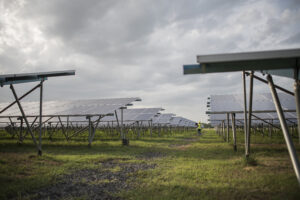
Learn how solar systems can integrate with your factory’s power infrastructure.
Solar for Educational Institutions – Complete Guide
Educational institutions such as schools, colleges, and universities operate large campuses that require significant electricity to support daily activities. Classrooms, laboratories, administrative buildings, libraries, hostels, and sports facilities all depend on reliable power supply. As electricity costs continue to rise, many institutions are exploring renewable energy solutions to reduce operational expenses.
Installing solar for educational institutions allows schools and colleges to generate electricity directly on-site using rooftop solar panels. By converting unused rooftop space into a source of renewable energy, educational campuses can reduce dependence on grid electricity while improving long-term energy efficiency.
Educational buildings are particularly suitable for solar installations because most academic activities take place during daytime hours when solar energy generation is highest. This makes solar power for schools and colleges an effective solution for reducing electricity consumption from the grid.
In addition to cost savings, solar installations support sustainability initiatives and help institutions create environmentally responsible campuses. Many schools and universities are now adopting solar energy systems as part of broader green campus programs.
In this guide, we explore how solar for educational institutions works, the benefits of installing campus solar systems, potential electricity savings, and how schools and colleges can successfully implement solar energy solutions.
Why are educational institutions adopting solar energy
Schools, colleges, and universities are increasingly adopting solar energy as part of their long-term infrastructure planning. Educational campuses often consume large amounts of electricity throughout the day for lighting, climate control, laboratory equipment, and campus operations.
Installing solar power systems allows institutions to reduce electricity costs while improving energy independence and sustainability.
Rising electricity costs in schools and colleges
Educational institutions operate multiple buildings and facilities that require continuous electricity supply. Electricity is used for:
- classroom lighting and audiovisual equipment
- computer labs and research laboratories
- libraries and administrative offices
- campus security systems
- air conditioning and ventilation systems
As electricity tariffs increase, energy expenses can become a significant portion of institutional operating budgets. Installing solar for schools helps offset a portion of this energy demand.
Why school and college campuses are ideal for solar
Most educational institutions have multiple buildings with large rooftops that receive significant sunlight during the day. These rooftops provide suitable locations for installing solar panels without affecting campus activities.
Factors that make educational campuses suitable for solar installations include:
- large rooftop spaces on academic buildings
- predictable daytime electricity consumption
- long-term campus infrastructure planning
- increasing focus on sustainable campus development
Because classes and academic activities typically occur during daylight hours, solar energy can supply a significant portion of campus electricity demand.
Solar as a long-term infrastructure investment for institutions
Solar installations are considered long-term infrastructure investments for educational institutions. Solar systems typically operate for more than 25 years, providing consistent electricity generation throughout their lifespan.
For schools and colleges, this means that electricity costs can become more predictable over time. By installing solar energy systems, institutions can reduce long-term energy expenses while improving financial planning for campus infrastructure.
Solar installations also help educational institutions demonstrate leadership in environmental responsibility and sustainable development.
Explore how solar energy can reduce electricity costs and support sustainable campus infrastructure.
How solar power supports educational campuses
Educational campuses depend on reliable electricity to support academic activities, administrative operations, and campus infrastructure. Classrooms, laboratories, libraries, and student facilities all require continuous power throughout the day.
Installing solar for educational institutions allows schools and universities to generate electricity directly on campus. Solar systems can supply electricity during peak daytime hours when most educational activities take place.
Because schools and colleges operate primarily during the day, electricity produced by solar panels can be used immediately within campus facilities.
Powering classrooms and campus lighting
Lighting systems are one of the largest electricity consumers on school and college campuses. Classrooms, hallways, libraries, lecture halls, and administrative offices require consistent lighting throughout the day.
Solar power systems can supply electricity for these lighting systems during daytime hours, helping institutions reduce electricity consumption from the grid.
Solar energy can support lighting infrastructure across:
- classrooms and lecture halls
- campus corridors and common areas
- libraries and study spaces
- administrative offices
By generating electricity on-site, solar installations help educational institutions lower energy costs associated with daily campus operations.
Solar energy for laboratories and research facilities
Many colleges and universities operate science laboratories, computer labs, and research facilities that consume significant electricity. Laboratory equipment, computers, and specialized research instruments often run throughout the day.
Solar systems can offset electricity used in laboratories during daytime hours. This helps reduce overall campus electricity consumption while maintaining reliable power for academic activities.
Institutions with engineering, science, or research programs often benefit significantly from installing solar power systems.
Solar power for HVAC and campus infrastructure
Heating, ventilation, and air conditioning systems are major electricity consumers on educational campuses. Maintaining comfortable indoor environments is essential for classrooms, laboratories, and administrative areas.
Solar power systems can help offset electricity used by HVAC systems during the day, when cooling demand is often highest.
Solar energy can also support other campus infrastructure such as:
- water pumping systems
- campus security systems
- student hostels and common areas
- administrative buildings
Grid integration for educational institutions
Most educational solar installations operate as grid-connected systems. This means the solar power system works alongside the utility grid.
During sunny hours, solar panels generate electricity that powers campus operations. If the solar system produces more electricity than the campus consumes, surplus energy can be exported to the grid through net metering programs.
At night or during low sunlight conditions, the campus continues receiving electricity from the grid.
This grid integration ensures that solar systems support campus operations without affecting the reliability of electricity supply.

Discover how solar installations can support classrooms, laboratories, and campus infrastructure.
Educational campus energy consumption vs solar offset
Educational campuses consume electricity across multiple buildings and facilities. Classrooms, laboratories, administrative offices, libraries, hostels, and sports complexes all contribute to overall energy demand. Understanding campus electricity consumption helps institutions evaluate how solar energy systems can reduce operational energy costs.
Installing solar for educational institutions allows schools and universities to generate a portion of their electricity directly on campus. While solar may not replace all electricity demand, it can significantly offset daytime power consumption and reduce electricity expenses.
Typical electricity consumption in schools and colleges
Electricity usage varies depending on the size of the institution, the number of buildings on campus, and the type of academic facilities available. Large universities with research laboratories and hostels often consume much more electricity than smaller schools.
Typical electricity consumption patterns may include:
- Small schools: 300 to 800 units per day
- Medium schools or colleges: 800 to 2,000 units per day
- Large colleges or universities: 2,000 to 8,000 units per day
These energy requirements include electricity used for lighting systems, laboratory equipment, computer labs, air conditioning systems, and administrative operations.
Because most academic activities occur during the daytime, solar power systems can offset a significant portion of this energy demand.
How solar can offset campus electricity demand
Solar systems installed on school or college rooftops generate electricity during daylight hours when sunlight is available. This electricity can be used immediately by campus facilities.
Solar power can typically offset between 20 percent and 60 percent of total campus electricity consumption depending on several factors:
- rooftop space available for solar installation
- capacity of the solar system installed
- daily electricity consumption of the campus
- sunlight conditions in the region
Even partial energy offset can significantly reduce electricity costs over the lifespan of the solar system.
Example solar offset for different campus sizes
The amount of electricity solar systems can generate depends on system capacity and campus energy demand.
| Campus Size | Average Daily Consumption | Typical Solar Capacity | Possible Energy Offset |
|---|---|---|---|
| Small school | 500 units/day | 50 kW | 25–35% |
| Medium college | 1,500 units/day | 150 kW | 30–45% |
| Large university campus | 5,000 units/day | 500 kW – 1 MW | 40–60% |
These estimates illustrate how solar installations can help educational institutions reduce electricity consumption from traditional energy sources while maintaining reliable campus operations.
Learn how much electricity your school or college can offset with solar power.
Rooftop solar systems for schools and colleges
Rooftop solar installations are one of the most practical ways for educational institutions to generate renewable electricity. Schools, colleges, and universities often have large academic buildings with expansive rooftops that can support solar panel installations.
Installing solar for educational institutions allows campuses to use these rooftops to produce electricity without affecting land use or campus activities. Electricity generated by rooftop solar systems can power classrooms, laboratories, libraries, and administrative facilities during daytime hours.
Rooftop solar systems are commonly integrated with the utility grid to ensure continuous electricity supply. During sunny hours, solar energy powers campus operations, while grid electricity supplies additional power when needed.
Why educational buildings are suitable for solar
Academic buildings are generally well suited for rooftop solar installations because of their structural design and energy usage patterns.
Several characteristics make educational buildings suitable for solar installations:
- large rooftops on classroom buildings and campus facilities
- predictable daytime electricity consumption
- multiple buildings that allow distributed solar installations
- long-term campus infrastructure planning
These factors allow solar panels installed on school and college buildings to generate substantial electricity.
Typical solar capacity installed in schools and colleges
The capacity of rooftop solar installations depends on the available rooftop area and the electricity demand of the campus.
Typical solar capacities installed in educational institutions include:
| Institution Type | Typical Solar Capacity |
|---|---|
| Small schools | 30 kW – 50 kW |
| Medium schools or colleges | 50 kW – 200 kW |
| Large colleges | 200 kW – 500 kW |
| University campuses | 500 kW – 1 MW or more |
Large university campuses with multiple buildings may install solar systems across several rooftops to maximize electricity generation.
Institutions that benefit most from solar
Several types of educational institutions benefit significantly from solar installations because of their energy consumption patterns and available infrastructure.
Examples include:
- primary and secondary schools
- colleges and technical institutes
- universities and research campuses
- residential educational campuses with hostels
These institutions operate classrooms, laboratories, and campus infrastructure during daytime hours, making solar energy systems particularly effective.
Installing solar power systems helps these institutions reduce operational electricity costs while supporting sustainability initiatives.
Turn school and college rooftops into a reliable source of renewable electricity.
School and college roof size vs solar capacity chart
One of the main factors that determines the size of a solar installation for an educational institution is the available rooftop space. Schools and colleges often have multiple academic buildings, libraries, auditoriums, and administrative blocks that provide large rooftop areas suitable for solar panel installation.
Understanding how rooftop space translates into solar capacity helps campus administrators estimate how large a solar system their institution can support.
Below is a general guide that shows the relationship between rooftop area and potential solar installation capacity.
| Roof Area Available | Approximate Solar Capacity |
|---|---|
| 4,000 – 5,000 sq ft | 50 kW |
| 8,000 – 10,000 sq ft | 100 kW |
| 20,000 – 25,000 sq ft | 250 kW |
| 40,000 – 50,000 sq ft | 500 kW |
These values represent approximate estimates and can vary depending on panel efficiency, mounting structure design, and rooftop layout.
Educational campuses with multiple buildings can install solar systems across several rooftops to achieve higher total capacity. In many cases, universities and large colleges deploy multi-building solar systems to maximize energy generation.
Installing solar for educational institutions allows campuses to utilize unused rooftop space to generate electricity that supports academic operations.
Electricity savings example for educational institutions
Many schools and colleges adopt solar energy primarily to reduce electricity costs and stabilize long-term energy expenses. Solar systems generate electricity during daytime hours when most campus activities occur, making them particularly effective for educational institutions.
Below is an example scenario illustrating how solar installations can reduce campus electricity expenses.
Example scenario
Institution type: large college campus
Available rooftop area: approximately 50,000 sq ft
Solar capacity installed: 500 kW
Annual solar electricity generation: approximately 750,000 units
If the average electricity tariff is around ₹8 per unit, the estimated annual savings could be approximately ₹60 lakh.
Over the 25-year lifespan of a solar system, the total electricity savings generated by campus solar installations can be substantial.
Although actual savings vary depending on system size and local electricity tariffs, solar power systems help educational institutions significantly reduce long-term energy costs.
Discover how much your school or college can reduce electricity expenses with solar energy.
Cost of solar power for schools and colleges
The cost of installing solar for educational institutions depends on several factors such as system capacity, rooftop structure, equipment quality, and installation location. While the initial investment varies between campuses, many schools and colleges find that solar installations provide substantial long-term savings on electricity expenses.
Solar technology costs have decreased significantly over the past decade, making solar power systems increasingly accessible for educational institutions. By generating electricity on-site, schools and universities can reduce operational energy costs and stabilize long-term electricity expenses.
Understanding the cost structure helps campus administrators evaluate the financial feasibility of installing solar systems.
Average cost per kW for educational solar systems
Solar installations are typically priced based on the cost per kilowatt of installed capacity.
For most educational institutions, the cost of installing solar power systems generally ranges between:
₹40,000 to ₹60,000 per kW
The final cost depends on system design, installation complexity, and equipment specifications.
Larger installations often benefit from economies of scale, meaning the cost per kilowatt may decrease as the solar system capacity increases.
Cost of rooftop solar for schools and universities
Below are approximate cost estimates for typical solar installations in educational institutions.
| System Capacity | Estimated Installation Cost |
|---|---|
| 50 kW | ₹20 lakh – ₹30 lakh |
| 100 kW | ₹40 lakh – ₹60 lakh |
| 500 kW | ₹2 crore – ₹3 crore |
| 1 MW | ₹4 crore – ₹5.5 crore |
These estimates represent general installation costs. The final project cost depends on rooftop structure, electrical integration requirements, and site-specific conditions.
Factors affecting campus solar installation cost
Several technical and operational factors influence the overall cost of installing solar panels on educational campuses.
Solar panel efficiency
Higher efficiency panels may have higher upfront costs but can generate more electricity over the system lifespan.
Inverter technology
Advanced inverters improve power conversion efficiency and monitoring capabilities.
Rooftop structure and layout
Campuses may have multiple buildings requiring customized mounting systems.
Installation location
Labor costs, transportation, and local regulations may influence the final project cost.
Although installation costs vary, solar systems can significantly reduce electricity expenses for schools and universities over time.
Evaluate the investment and potential savings of installing solar energy for your educational institution.
Installation process for educational solar systems
Installing solar for educational institutions requires careful planning to ensure that the system integrates safely with campus electrical infrastructure. Because educational campuses include multiple buildings and facilities, solar installations must be designed to operate efficiently without disrupting academic activities.
A typical campus solar project is developed through several stages including energy assessment, system design, installation, and commissioning.
Energy audit and feasibility study
The first step in installing solar panels on a campus is conducting a detailed energy audit and feasibility assessment.
During this stage, engineers evaluate:
- current electricity consumption of the institution
- available rooftop space across campus buildings
- structural strength of rooftops
- sunlight exposure and shading conditions
- existing electrical infrastructure
This evaluation helps determine the optimal solar capacity and system layout for the campus.
Institutions with large rooftops and high daytime electricity consumption are strong candidates for solar installations.
Solar system design for campus infrastructure
After the feasibility study is completed, engineers design the solar system according to campus energy requirements and building structures.
The design phase includes:
- solar panel layout planning
- inverter capacity selection
- electrical integration planning
- mounting structure engineering
- energy generation simulations
Modern design software helps optimize the placement of solar panels across campus rooftops to maximize electricity generation.
Rooftop solar panel installation
Once the system design is finalized, installation teams begin constructing the solar system on campus rooftops.
This stage typically includes:
- installing mounting structures on building rooftops
- placing and securing solar panels
- installing inverters and electrical components
- connecting the system to campus electrical infrastructure
Depending on the size of the installation, this stage may take several weeks to complete.
Electrical integration with campus systems
After installation, the solar system is integrated with the campus electrical distribution network.
This allows electricity generated by solar panels to power classrooms, laboratories, administrative buildings, and campus infrastructure.
If the system is grid-connected, net metering may also be configured to export surplus electricity.
Testing and commissioning
Before the solar system becomes operational, it undergoes testing and commissioning to ensure safe performance.
This stage includes:
- electrical safety inspections
- performance testing of solar panels and inverters
- monitoring system configuration
- grid synchronization
After commissioning, the solar system begins generating electricity for the campus and delivering long-term energy savings.
Partner with experts to design and implement reliable solar solutions for schools and universities.
Government policies supporting solar in educational institutions
Government initiatives play an important role in encouraging institutions to adopt renewable energy solutions. Educational institutions, including schools, colleges, and universities, can benefit from several policy mechanisms that support solar energy adoption.
These policies improve the financial feasibility of installing solar for educational institutions by providing regulatory support, tax benefits, and incentives for renewable energy projects. Many campuses are now installing solar systems as part of sustainability programs and infrastructure modernization initiatives.
Below are some of the key policy mechanisms that support solar power adoption in educational institutions.
Net metering policies
Net metering is one of the most important policies supporting rooftop solar installations for institutional buildings such as schools and colleges.
Under net metering, educational institutions can export surplus electricity generated by their solar systems to the electricity grid. When the solar installation produces more electricity than the campus consumes, the excess electricity is supplied to the grid.
In return, the institution receives energy credits that offset electricity consumption during other periods.
Net metering offers several advantages for educational institutions:
- improved financial returns from solar installations
- better utilization of solar electricity generation
- reduced electricity bills through energy credits
Net metering regulations vary across states, so institutions should review applicable policies before installing solar systems.
Accelerated depreciation benefits
Accelerated depreciation is a financial incentive available to organizations that invest in solar energy systems.
Under this policy, institutions installing solar systems can claim a significant portion of the project cost as depreciation during the early years of the investment.
This reduces taxable income and improves the financial returns of solar installations for educational institutions.
Because of these tax advantages, many institutions consider solar energy projects financially attractive.
Renewable energy incentives for educational institutions
In addition to national policies, some states provide incentives that encourage renewable energy adoption across educational campuses.
These incentives may include:
- capital subsidies for solar installations
- electricity duty exemptions
- renewable energy certificates
- support for institutional renewable energy projects
The availability of these incentives depends on local regulations and electricity distribution authorities.
These policies are helping educational institutions adopt solar energy systems while reducing long-term operational energy costs.
Understand how government policies can improve the return on investment for campus solar installations.
Maintenance of campus solar systems
Proper maintenance ensures that solar installations continue generating electricity efficiently over the long term. Although solar systems generally require minimal maintenance compared to conventional power infrastructure, routine inspections and cleaning help maintain optimal performance.
A well-maintained solar power system on an educational campus can operate reliably for more than 25 years. Regular monitoring and preventive maintenance help institutions maximize electricity generation while maintaining consistent energy savings.
Solar panel cleaning and inspection
Solar panels installed on school and college rooftops are exposed to environmental conditions such as dust, debris, and pollution. Over time, these particles may accumulate on the panel surface and reduce energy generation.
Routine cleaning helps maintain the efficiency of solar panels by ensuring maximum sunlight exposure.
Maintenance activities typically include:
- cleaning solar panels to remove dust and dirt
- inspecting panels for physical damage
- checking mounting structures and alignment
- inspecting electrical wiring and connections
The cleaning frequency depends on local environmental conditions and dust levels.
Monitoring system performance
Modern solar installations include digital monitoring systems that track electricity generation and system performance in real time.
These monitoring platforms allow campus facility managers to:
- monitor daily electricity production
- identify system performance issues
- track long-term energy generation
- analyze system efficiency trends
If any component underperforms, technicians can quickly identify the issue and implement corrective actions.
Lifespan of campus solar systems
Most solar installations for educational institutions are designed to operate efficiently for 25 to 30 years.
Solar panels typically come with performance warranties guaranteeing around 80 to 85 percent energy output after 25 years. Other components such as inverters may require replacement after 10 to 15 years depending on system usage.
Because of this long operational lifespan, solar installations are considered long-term infrastructure investments for educational campuses.
With proper maintenance and monitoring, solar systems can continue generating reliable electricity throughout their lifecycle.
Ensure long-term efficiency with professional monitoring and maintenance services.
Why educational institutions are transitioning to solar
Across the world, educational institutions are increasingly adopting renewable energy solutions to reduce operational costs and support sustainability initiatives. Solar installations allow schools and universities to generate electricity directly on campus while improving long-term energy efficiency.
Several factors are contributing to the growing adoption of solar power in educational campuses.
Rising electricity demand on campuses
Educational institutions operate multiple buildings and facilities that require continuous electricity supply. Classrooms, laboratories, computer labs, libraries, and administrative offices all contribute to campus electricity consumption.
As campuses expand and incorporate more technology-based learning environments, electricity demand continues to increase.
Solar installations allow institutions to offset a portion of this demand and reduce reliance on grid electricity.
Sustainability and green campus initiatives
Many schools and universities are focusing on sustainability and environmental responsibility as part of their institutional values.
Solar installations help campuses reduce carbon emissions associated with electricity generation. By adopting renewable energy, educational institutions can demonstrate leadership in environmental stewardship and sustainable development.
Many campuses also integrate renewable energy initiatives into sustainability programs and environmental education efforts.
Long-term operational savings
Solar systems typically operate for more than 25 years and generate electricity throughout their lifespan.
After the initial payback period, the electricity produced by solar installations can significantly reduce operational energy costs for educational institutions.
These long-term savings make solar energy an attractive infrastructure investment for schools, colleges, and universities.
Reduce electricity costs while supporting sustainable campus infrastructure.
Why institutions choose Manufyn for campus solar projects
Educational institutions require solar systems that are reliable, efficient, and carefully integrated with campus infrastructure. Designing solar installations for schools and universities requires detailed planning because campuses often include multiple buildings, laboratories, hostels, and administrative facilities.
Manufyn supports educational institutions in planning and implementing solar systems that reduce electricity costs while ensuring reliable campus energy infrastructure.
End-to-end solar project support
Developing solar installations for educational campuses involves several stages, from feasibility studies to system commissioning. Proper planning ensures that the solar system operates efficiently and supports long-term energy savings.
Manufyn provides comprehensive support across the entire solar project lifecycle, including:
- campus energy consumption analysis and feasibility studies
- solar system design and engineering
- procurement of solar components
- installation and commissioning
- monitoring and performance optimization
This structured approach ensures that solar systems are designed to maximize electricity generation while supporting campus infrastructure.
Customized solar solutions for educational campuses
Every educational institution has unique energy requirements depending on campus size, number of buildings, and academic facilities.
Manufyn works closely with schools, colleges, and universities to design solar systems tailored to their specific infrastructure.
Key factors considered during system design include:
- campus electricity consumption patterns
- available rooftop space across campus buildings
- operational schedules of academic facilities
- long-term infrastructure planning
This customized approach helps ensure that the solar system delivers optimal performance and energy savings.
Focus on long-term system performance
Solar installations for educational institutions are long-term infrastructure assets that must operate efficiently for decades.
Manufyn focuses on system reliability, high-quality components, and continuous performance monitoring to ensure that campus solar systems continue generating electricity efficiently throughout their lifecycle.
By emphasizing long-term performance, educational institutions can maximize the value of their solar investment.
Partner with experts to design reliable solar systems for schools and universities.
Frequently Asked Questions
How much does solar for schools and colleges cost?
The cost of installing solar systems for educational institutions typically ranges between ₹40,000 and ₹60,000 per kW depending on system capacity, equipment quality, and installation complexity.
Can schools run on solar power?
Schools and colleges can generate a significant portion of their electricity using solar systems during daytime hours. Most institutions combine solar generation with grid electricity to ensure continuous power supply.
How much rooftop space is required for campus solar systems?
The rooftop space required depends on the solar system capacity. For example, a 100 kW installation generally requires around 8,000 to 10,000 square feet of rooftop area.
What is the payback period for campus solar installations?
Many educational solar installations achieve a payback period of approximately three to five years depending on electricity tariffs and system size.
How long do solar systems for educational institutions last?
Most solar installations operate for 25 to 30 years. Solar panels typically maintain strong energy output throughout this period.
Speak with solar experts to evaluate the best solar solution for your educational institution.