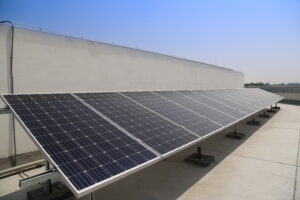
Manufyn delivers EPC projects across residential, industrial and commercial sites
Choosing a Solar EPC partner is one of the most important decisions you’ll make in your solar journey. Yet, most buyers approach EPC selection the same way they buy any other vendor — by comparing quotes, timelines, and sales promises. This is where many solar projects quietly go wrong.
A Solar EPC partner doesn’t just install panels. They shape how your plant is designed, how safely it is built, how well it performs, and how reliable it remains over the next 20–25 years. The wrong choice can lead to hidden costs, delayed commissioning, underperforming generation, compliance issues, and long-term operational headaches that are difficult to fix once the project is live.
This guide breaks down the most common mistakes buyers make when selecting a Solar EPC partner — mistakes that don’t look like mistakes at the proposal stage but become painfully clear later. More importantly, it shows you how to avoid these traps and choose an EPC partner who delivers long-term value, not just a low upfront price.
If you’re evaluating EPC companies for an industrial, commercial, or large rooftop solar project, this page will help you make a more informed, lower-risk decision.
Get a quick readiness assessment for your site
Why Choosing the Right Solar EPC Partner Matters More Than You Think
For most industrial and commercial buyers, solar projects fail not because of technology, but because of who executes the project. Panels and inverters are largely standardised today. The real differentiator is the Solar EPC partner responsible for designing, building, and commissioning your plant.
A wrong EPC choice shows up later as cost overruns, delayed commissioning, underperforming generation, safety issues, and long-term maintenance headaches. These problems rarely appear in sales presentations. They surface months after contracts are signed, when fixing mistakes becomes expensive or operationally disruptive.
Solar Is a 25-Year Asset, Not a One-Time Purchase
A solar power plant is not a one-time procurement decision. It is a 25-year operational asset that will influence your energy costs, sustainability goals, and operational stability for decades. The EPC partner you choose shapes how reliable, safe, and efficient this asset will be over its lifetime.
Most EPC Problems Are Invisible at the Proposal Stage
At the proposal stage, most EPC companies look similar on paper. Quotes, timelines, and generation estimates often appear comparable. The real differences lie in engineering depth, execution discipline, safety standards, and post-commissioning accountability — areas that are hard to evaluate unless you know what to look for.
Why Lowest Price Often Becomes the Highest Cost
Choosing the lowest EPC quote frequently leads to hidden scope exclusions, lower-quality components, rushed execution, and performance compromises. While the upfront CAPEX looks attractive, the lifetime cost of ownership ends up higher due to generation losses, maintenance issues, and compliance fixes.
When EPC Partner Choice Becomes a Business Risk
For factories, warehouses, hospitals, and commercial facilities, solar downtime or underperformance directly impacts operations and financial planning. A poorly executed EPC project can become a business risk, not just a technical inconvenience.
Talk to Manufyn’s Solar EPC team about your project requirement
Mistake #1 – Choosing the Lowest Quote Without Understanding Scope Gaps
One of the most common and costly mistakes buyers make is selecting a Solar EPC partner based purely on the lowest quoted price. EPC quotes often look similar on the surface, but the scope behind each quote can vary significantly.
Low-cost EPC proposals frequently exclude critical cost heads, which later surface as “client scope” or “out-of-contract” expenses. This shifts risk and budget overruns back to the buyer after the project has already started.
Hidden Scope Exclusions That Inflate Final Cost
Commonly excluded items include evacuation infrastructure, transformer upgrades, civil and structural modifications, access walkways, safety equipment, and statutory approval fees. These exclusions may not be obvious unless the EPC scope of work is reviewed line by line.
Why Two EPC Quotes Are Never Directly Comparable
Two EPC proposals for the same site may use different design assumptions, component specifications, and scope inclusions. Comparing EPC quotes without normalising scope leads to poor decisions. A lower quote often reflects a narrower or diluted scope, not necessarily better efficiency.
How to Compare EPC Quotes the Right Way
Buyers should compare EPC proposals using a standardised scope checklist — engineering coverage, procurement quality, civil scope, approvals, commissioning responsibilities, and post-handover support. This ensures you are comparing like-for-like, not just price tags.
What to Ask Before You Accept the Lowest Bid
Ask what is explicitly excluded from the EPC scope, who bears the risk of grid upgrades, whether approvals are included, and how performance responsibilities are handled post-commissioning. Clear answers here prevent surprises later.
Choosing the Lowest Quote Without Understanding Scope Gaps
Mistake #2 – Not Evaluating Engineering Capability (Only the Sales Pitch)
One of the most damaging mistakes buyers make when selecting a Solar EPC partner is evaluating them based on sales presentations instead of engineering capability. Solar EPC is fundamentally an engineering project, not a sales product. Yet, many EPC providers lead with aggressive timelines, attractive ROI numbers, and polished decks while the actual engineering depth remains unclear.
This gap shows up later as design compromises, performance issues, and execution problems that are expensive to fix once the plant is already installed.
Design Quality Determines Long-Term Performance
Solar plant performance is locked in at the design stage. Poor layout planning, weak shading analysis, incorrect inverter sizing, or generic template designs can permanently reduce generation. These are not visible on day one but quietly erode ROI over the next 20–25 years.
Signs of Weak Engineering in EPC Proposals
Watch out for EPC proposals that rely on generic plant layouts, lack site-specific constraints, or use standardised designs without explaining why they fit your site. If the proposal does not clearly explain design assumptions, load mapping, and performance logic, engineering is likely being treated as an afterthought.
Why Template Designs Fail in Real Sites
Every industrial or commercial site has unique constraints — roof load capacity, operational movement, safety zones, electrical routing, and shading obstacles. Template designs ignore these realities. The result is compromised installation quality, difficult maintenance access, and higher long-term operational risk.
What to Ask About an EPC Partner’s Design Approach
Instead of asking only about cost and timelines, buyers should understand how the EPC partner approaches engineering. Who designs the system? Is engineering in-house? How are site constraints incorporated into layout planning? What performance assumptions are used, and how are they validated?
Get an engineering-led view of how your solar plant should be designed for performance and safety.
Mistake #3 – Ignoring Execution Track Record in Similar Projects
Many buyers evaluate EPC partners based on how long the company has existed or how many total megawatts they claim to have installed. While experience matters, what matters more is whether the EPC partner has executed projects similar to yours in complexity, environment, and operational constraints.
A rooftop solar plant on a factory floor is very different from a ground-mounted plant or a commercial office building installation. Execution challenges, safety risks, and coordination requirements vary significantly across project types.
Rooftop vs Ground-Mounted EPC Complexity
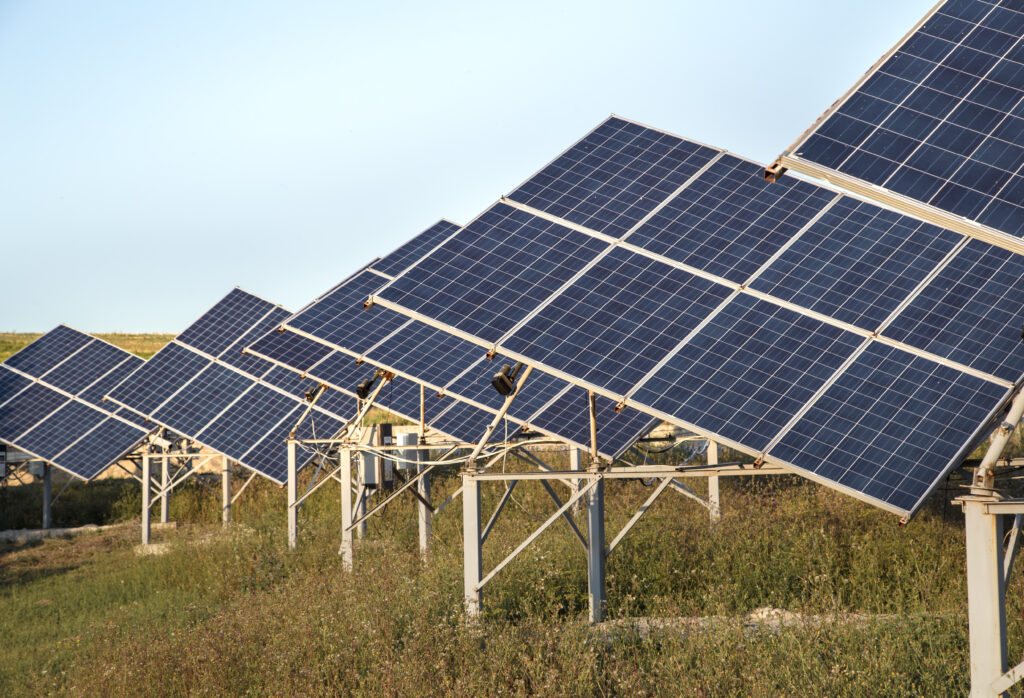
Rooftop projects involve load-bearing constraints, waterproofing risks, access limitations, and live operational environments. Ground-mounted projects involve land preparation, civil works, drainage planning, and different regulatory approvals. An EPC partner strong in one format may not automatically excel in the other.
Industrial Sites vs Commercial Buildings
Factories and warehouses require tight coordination with operations, strict safety protocols, and minimal disruption to daily workflows. Commercial buildings may involve tenant coordination, access restrictions, and aesthetic considerations. EPC experience should match your operational reality, not just generic “solar installation” claims.
What “Relevant Experience” Actually Means in EPC
Relevant EPC experience means having delivered projects with similar capacity, site constraints, industry type, and safety standards. This reduces execution risk, rework, and project delays.
How to Verify Execution Capability
Look for evidence of structured execution processes, safety protocols, and project management discipline. EPC partners with strong execution frameworks are better equipped to handle real-world site constraints without cutting corners.
See how Manufyn delivers EPC projects across industrial and commercial sites.
Mistake #4 – Overlooking Post-Commissioning Support & Accountability
A common assumption among solar buyers is that the EPC partner’s responsibility ends once the system is commissioned and handed over. In reality, the first 6–12 months of operation are critical for identifying performance issues, installation defects, and operational mismatches.
When EPC partners disengage immediately after commissioning, buyers are left to deal with early-stage failures that directly impact generation and ROI.
Why Performance Drops After Handover
Minor installation issues, cable faults, inverter configuration errors, or shading miscalculations often surface only after the plant starts operating under real load conditions. Without structured post-commissioning support, these issues remain unresolved, leading to persistent generation loss.
Defect Liability Period: What It Should Cover
A strong EPC model includes a clearly defined defect liability period (DLP) that covers workmanship issues, component integration problems, and performance anomalies. This creates accountability during the most vulnerable phase of plant operation.
EPC vs Long-Term O&M Thinking
While EPC and O&M are different services, EPC partners who design with long-term operations in mind create plants that are easier to maintain, safer to access, and more reliable over time. This design-for-O&M mindset reduces lifetime operational risk.
What a Strong Post-Commissioning Model Looks Like
Structured handover, performance baseline validation, early-stage monitoring, and responsive defect resolution form the backbone of a reliable EPC delivery model. This approach protects buyers from early performance erosion.

Mistake #5 – Not Assessing Compliance, Safety & Approval Ownership
Compliance and safety are often treated as paperwork or formalities during EPC selection. In reality, regulatory gaps and safety shortcuts are among the biggest causes of project delays, rework, and operational risk in solar projects. Many buyers assume the EPC partner will “handle approvals,” only to discover later that key responsibilities were excluded from scope.
DISCOM & CEIG Gaps That Delay Projects
Grid connectivity, net metering approvals, and electrical inspections vary by location and capacity. If these responsibilities are not clearly owned by the EPC partner, approvals can stall commissioning for weeks or months. Delays here directly affect when your plant starts generating returns.
Safety Shortcuts That Create Long-Term Risk
Poor cable management, inadequate earthing, unsafe access pathways, and weak fire-safety planning may not fail immediately but increase long-term safety and maintenance risk. These shortcuts are often invisible during handover but become critical during audits or operational incidents.
Who Owns Regulatory Risk in Your EPC Contract
EPC contracts should clearly define responsibility for statutory approvals, compliance documentation, and safety standards. Ambiguity here shifts regulatory risk back to the buyer, even though execution control rests with the EPC partner.
How to De-risk Compliance in EPC Selection
Buyers should ensure that compliance planning is integrated into engineering and execution workflows, not treated as an afterthought. This reduces approval friction and operational exposure later.
Get clarity on compliance ownership and safety standards for your solar project.
Mistake #6 – Ignoring Hidden Costs & Contract Exclusions in EPC Proposals
Many buyers assume the EPC price quoted is the final project cost. In reality, EPC contracts often exclude cost heads that surface later as “client scope” or “out-of-contract” items. These hidden costs distort ROI calculations and can derail budgets mid-project.
Where Hidden Costs Usually Appear
Common hidden cost areas include evacuation infrastructure, transformer upgrades, civil and structural reinforcements, waterproofing, safety equipment, grid-connection fees, and local statutory charges. These costs may not be obvious unless the EPC scope is carefully reviewed.
Why EPC Contracts Hide Exclusions
Some EPC providers keep quotes artificially low by excluding difficult or uncertain scope items. While this helps them win bids, it transfers risk and cost volatility to the buyer once execution begins.
How Hidden Costs Impact ROI
Even small exclusions can compound into significant cost overruns and project delays. More importantly, they distort payback calculations and long-term ROI assumptions, making the project look more attractive on paper than it will be in reality.
How to Avoid Budget Surprises
Buyers should insist on a transparent scope definition and explicit listing of exclusions. A well-defined EPC scope creates predictable project economics and smoother execution.
Get a transparent, all-inclusive EPC scope from Manufyn with clear cost visibility.
Mistake #7 – Choosing an EPC Partner Without Long-Term Performance Thinking
Many EPC selections are made with a “get it built” mindset. The focus remains on installation speed and upfront cost, while long-term performance, maintainability, and reliability receive little attention. This leads to plants that work on day one but degrade faster than expected.
Short-Term Execution vs Long-Term Performance
Design decisions made during EPC — such as layout spacing, cable routing, inverter placement, and access planning — directly affect ease of maintenance and long-term reliability. Ignoring these factors creates operational friction later.
Why Plants Underperform Over Time
Underperformance is often not due to component failure alone, but due to design compromises that make cleaning, inspection, and troubleshooting difficult. These issues slowly erode generation over the plant’s lifetime.
The Role of EPC in Lifetime Asset Quality
An EPC partner who thinks beyond commissioning will design the plant as a long-term asset, not just a project to be delivered. This mindset shows up in safety margins, maintenance access, and conservative design assumptions.
How to Build for Performance, Not Just Handover
Buyers should prioritise EPC partners who design for reliability, serviceability, and long-term performance stability, not just fastest commissioning.
Discuss how Manufyn designs solar plants for long-term performance and reliability.
How to Choose the Right Solar EPC Partner (Decision Checklist for Buyers)
After understanding the common mistakes, the next step is having a clear decision framework to evaluate EPC partners. This checklist focuses on long-term project success, not just short-term cost savings.
Technical Capability Checklist
Strong EPC partners demonstrate in-house engineering depth, site-specific design capability, and performance-oriented system configuration. Engineering quality directly impacts generation, safety, and long-term reliability.
Commercial Transparency Checklist
Look for clearly defined scope, transparent BOQs, explicit exclusions, warranty alignment, and documented performance assumptions. Commercial clarity prevents scope creep and budget surprises later.
Execution & Safety Checklist
Structured project management, on-site supervision, safety protocols, and quality assurance processes reduce execution risk and rework. Execution discipline is often the difference between smooth commissioning and delayed go-live.
Long-Term Reliability Checklist
Plants designed with maintenance access, safety clearances, and long-term O&M considerations perform better over their operating life. EPC partners who think beyond commissioning deliver more reliable assets.
Get a clear EPC delivery approach tailored to your site and business needs.
Why Manufyn Is a Safe Choice for Solar EPC Projects
After understanding the common mistakes buyers make while selecting a Solar EPC partner, the next question is simple: who can you trust to execute your project without these risks?
Manufyn’s Solar EPC services are built to directly address the exact gaps that cause EPC projects to fail — weak engineering, unclear scope, execution delays, compliance issues, and performance drop-offs after commissioning.
Proven EPC Delivery Track Record
Manufyn has delivered 65+ solar projects across industrial and commercial facilities, serving 65+ clients across multiple sectors. With 4.2 MW+ of installed capacity, Manufyn’s EPC team brings real-world execution experience, not just theoretical capability.
Engineering-Led, In-House Solar EPC Team
Every project is driven by Manufyn’s in-house solar EPC team, ensuring tight coordination between design, procurement, and execution. This engineering-first approach reduces design compromises, execution rework, and long-term performance risk.
Real-World Impact & Performance Outcomes
Manufyn’s deployed solar plants collectively generate approximately 6.45 million units (kWh) of clean energy every year, helping clients offset around 5,300 tons of CO₂ annually. This reflects not just installations completed, but systems performing at scale in real operating environments.
Transparent Scope & Performance-First Delivery
Manufyn follows a clear-scope EPC delivery model with upfront definition of inclusions, responsibilities, and performance expectations. Plants are designed with long-term reliability and maintainability in mind, not just fastest commissioning.
See how Manufyn delivers EPC projects across industrial and commercial sites.
FAQs – Choosing a Solar EPC Partner
How do I choose the right solar EPC partner?
Choose a solar EPC partner by evaluating their engineering capability, experience in similar projects, clarity of scope, compliance ownership, safety standards, and post-commissioning support. Avoid selecting purely on price; focus on long-term performance and accountability.
What should I check before selecting an EPC contractor?
Before selecting an EPC contractor, check whether the proposal clearly covers design, procurement, installation, approvals, commissioning, documentation, and performance responsibility. Also review past project experience, warranties, and safety processes.
Is it risky to choose the lowest solar EPC quote?
Yes. The lowest EPC quote often hides scope exclusions, lower-grade components, or diluted engineering effort. This can lead to hidden costs, delays, and underperforming generation over the life of the solar plant.
What is the scope of work of a solar EPC company?
The scope of work of a solar EPC company typically includes feasibility study, engineering design, procurement of modules and inverters, construction and installation, statutory approvals, commissioning, and handover documentation. In end-to-end EPC models, the contractor owns the full project lifecycle.
What is the 20% rule for solar?
The “20% rule” in solar refers to grid or capacity sizing limits used by some DISCOMs, where the installed solar capacity or export limit is capped relative to sanctioned load or transformer capacity. The exact rule varies by state and local grid policies, and is assessed during feasibility and grid integration planning.
What is the solar 120% rule?
The “120% rule” is commonly referenced in interconnection or net-metering guidelines, where solar capacity may be allowed up to 120% of sanctioned load in certain jurisdictions. Applicability depends on local DISCOM regulations and site-specific grid conditions.
What documents should a solar EPC company provide after commissioning?
A professional solar EPC company should provide as-built drawings, system schematics, commissioning and test reports, warranties, compliance certificates, and handover documentation. These are essential for long-term operations, audits, and maintenance.