
For small manufacturing businesses, job shops, and fabrication startups, investing in a CNC sheet metal cutting machine is one of the most important production decisions you’ll make. The right machine can unlock faster turnaround times, consistent quality, lower per-part costs, and the ability to take on higher-value projects. The wrong machine, on the other hand, can quietly drain cash through low utilization, high maintenance, power inefficiencies, and quality issues that show up later during bending, welding, or assembly.
Today, small businesses are no longer competing only on price. Customers expect precision, repeatability, and speed, whether it’s a prototype batch of 10 parts or a recurring production run of 10,000. CNC-based sheet metal cutting has become the backbone of modern fabrication workflows — but with so many machine types, brands, and configurations available, choosing the “best” CNC cutting machine is rarely straightforward.
At Manufyn, we work with a large network of vetted sheet metal manufacturers and fabrication partners across India, supporting everything from early-stage prototyping to full-scale production. Because we see hundreds of real-world cutting jobs across different materials, thicknesses, tolerances, and volumes, we’ve developed a practical, ground-level view of what actually works for small businesses — and what often turns into an expensive mistake.
This guide is not just a list of machines. It’s a decision framework built from manufacturing experience — to help you understand:
- Which CNC sheet metal cutting technologies are best suited for small businessesWhat to prioritize based on your part mix, material types, and growth plansWhen it makes more sense to invest in a machine vs outsource cutting to a manufacturing partner like Manufyn
What Is CNC Sheet Metal Cutting? (And Why It Matters for Small Manufacturers)
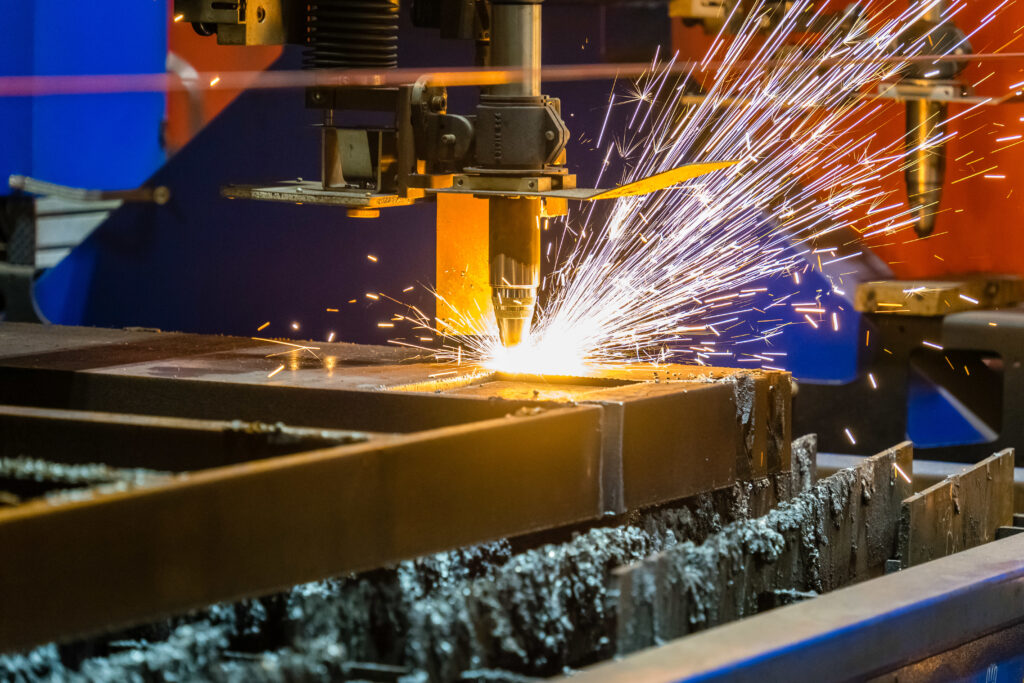
CNC sheet metal cutting refers to the use of computer-controlled machines to cut flat metal sheets into precise shapes, profiles, and geometries. Unlike manual or semi-automatic cutting, CNC machines follow programmed toolpaths derived from CAD designs, ensuring consistent accuracy, minimal material wastage, and repeatable results across batches.
For small businesses, this precision is not just about aesthetics — it directly impacts:
- Fit-up during bending and welding
- Fastener alignment and assembly accuracy
- Overall product quality and rejection rates
In real production environments, cutting quality sets the foundation for every downstream operation. A slightly distorted edge from poor cutting can create compounding issues during forming, surface finishing, and final assembly. This is one of the most common hidden cost drivers we observe at Manufyn when we onboard new manufacturing partners or review customer designs.
Common CNC Sheet Metal Cutting Technologies Used by Small Businesses
Most small fabrication shops and growing manufacturers consider one of the following CNC cutting methods:
CNC Fiber Laser Cutting
Laser cutting is widely adopted for its high precision, clean edge quality, and ability to handle intricate geometries. It performs especially well for thin to medium-thickness metals like mild steel, stainless steel, and aluminium. Fiber lasers are also highly compatible with automated nesting software, which helps reduce scrap and improve material utilization — a major cost lever for small shops.
CNC Plasma Cutting
Plasma cutting is often chosen by budget-conscious shops working with thicker sheets. While it doesn’t match laser cutting in fine-edge quality or precision, it offers faster cutting speeds on thicker materials and lower upfront machine costs.
Waterjet Cutting
Waterjet cutting is useful when heat-affected zones must be avoided (for sensitive alloys or composite materials). It offers excellent edge quality without thermal distortion, but comes with higher operational and maintenance costs.
At Manufyn, we routinely evaluate which cutting technology is best suited based on:
- Material type and thickness
- Part geometry and tolerance requirements
- Batch size and repeatability needs
- Downstream fabrication steps like bending, welding, or coating
This technology-to-use-case matching is exactly what small businesses need to think through before investing in a CNC cutting machine — because the “best” machine is always relative to what you’re actually manufacturing.
How Manufyn’s Manufacturing Expertise Shapes the “Right” CNC Machine Choice
Most online articles about CNC sheet metal cutting machines focus on specs — wattage, cutting speed, table size, or brand comparisons. In real manufacturing environments, however, machine performance is only one part of the equation. What matters just as much is how well the machine fits into your end-to-end production workflow.
At Manufyn, we operate at the intersection of design, sourcing, prototyping, and production manufacturing. This gives us a unique, ground-level perspective on how CNC cutting decisions impact the full lifecycle of a part — from CAD design to final assembly. We regularly work with startups, MSMEs, and enterprises that approach us after struggling with inconsistent cut quality, rework due to distortion, or bottlenecks caused by underpowered machines.
Here’s what our manufacturing lens adds to the machine selection process:
Design for Manufacturability (DFM) Starts at Cutting
Cut quality directly affects bend accuracy, edge finishing, and weld consistency. We’ve seen cases where parts that looked “fine” on the cutting table led to alignment issues during forming because of micro distortions or burrs. This is why Manufyn emphasizes matching cutting technology to part geometry and downstream processes — not just to cutting speed.
Utilization > Machine Capability
One of the most common mistakes small businesses make is over-investing in machine capability they don’t actually use. Buying a high-wattage fiber laser for low-volume, simple geometry work can lock up capital without improving margins. Through Manufyn’s manufacturing network, we often help businesses validate demand and part volumes before they commit to heavy capex.
Real-World Constraints Matter
Power availability, floor space, operator skill level, service support, and consumable costs play a huge role in machine ROI. A machine that looks perfect on paper can become a bottleneck if maintenance support is weak or if your operators struggle with programming and nesting software. Because Manufyn works with multiple production partners, we’ve seen how these practical factors affect uptime and delivery performance.
The takeaway: the “best CNC sheet metal cutting machine” is not the most advanced one — it’s the one that fits your actual production mix, growth stage, and operational maturity.
Top CNC Sheet Metal Cutting Machine Types for Small Businesses (And Where Each One Fits Best)
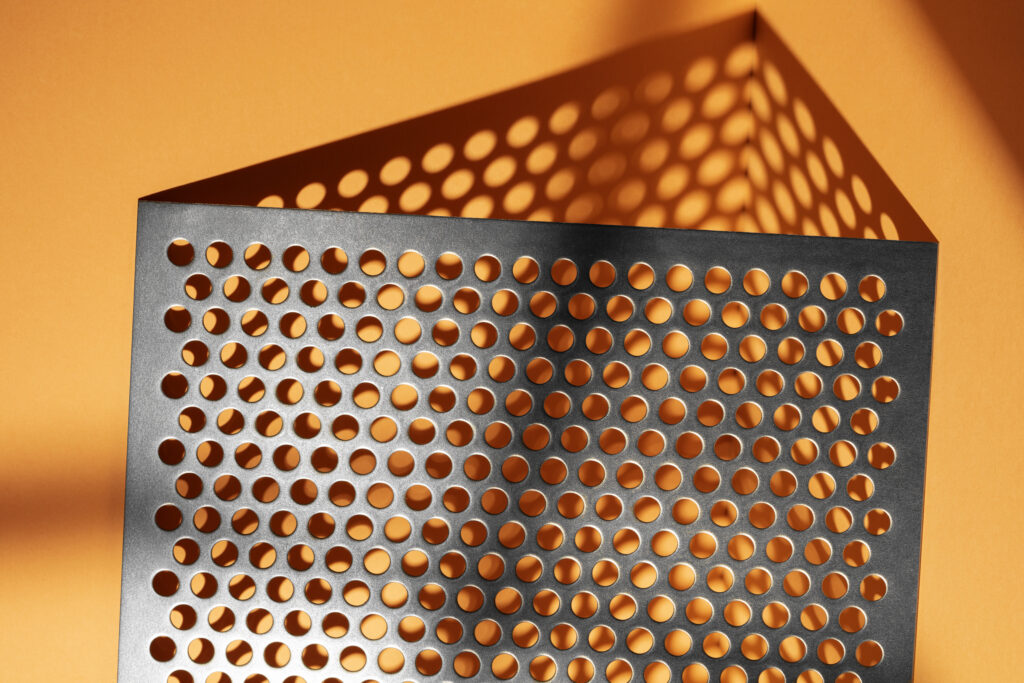
Instead of naming specific brands, it’s more useful for small businesses to first choose the right machine category. Each CNC cutting technology has a sweet spot depending on materials, thickness, precision needs, and budget.
CNC Fiber Laser Cutting Machines – Best for Precision & Scalable Growth
Best suited for:
- Thin to medium-thickness metals (mild steel, stainless steel, aluminium)
- High-precision parts with tight tolerances
- Repeat production batches and scalable workflows
Why small businesses choose it:
Fiber lasers offer excellent cut quality, minimal post-processing, and strong compatibility with nesting software that improves material utilization. For startups planning to move from prototyping to low-volume production, laser cutting provides a clean, professional finish that customers increasingly expect.
Manufyn insight:
Laser cutting consistently delivers the best downstream performance for bending, welding, and surface finishing. For product-based startups and OEM suppliers, this often translates into lower rework and faster assembly cycles.
CNC Plasma Cutting Machines – Best for Thicker Sheets on a Budget
Best suited for:
- Thicker sheet metal
- Structural components and non-cosmetic parts
- Cost-sensitive workshops
Why small businesses choose it:
Plasma cutting machines have a lower upfront cost compared to laser systems and can cut thicker materials faster. For shops handling heavy fabrication or non-precision-critical components, plasma can offer a strong cost-to-performance ratio.
Limitations to consider:
Edge quality and precision are lower than laser cutting, which can increase finishing work and impact tight-fit assemblies.
Waterjet Cutting Systems – Best for Heat-Sensitive Applications
Best suited for:
- Materials sensitive to heat distortion
- Mixed-material cutting (metals, composites, specialty alloys)
- Parts where thermal effects must be avoided
Why small businesses choose it:
Waterjet cutting avoids heat-affected zones entirely, preserving material properties and edge integrity. This is valuable for certain engineering and aerospace-grade components.
Trade-off:
Higher operating and maintenance costs make waterjet systems less common for early-stage small businesses unless their product demands it
CNC Punching / Combo Machines – Best for High-Volume Repetitive Parts
Best suited for:
- Panels with standard holes, louvers, and cut-outs
- High-volume, repetitive geometries
- Enclosures, brackets, and electrical cabinets
Why small businesses choose it:
Punching machines can be highly efficient for standardized parts and repetitive hole patterns, especially when integrated into sheet metal fabrication lines.
Quick Comparison Table
| Technology | Best For | Typical Materials | Precision | Capex Level | When Manufyn Recommends Outsourcing |
|---|---|---|---|---|---|
| Fiber Laser | Thin–medium sheets, high accuracy | MS, SS, Aluminium | High | High | Low volumes, prototyping, fast GTM |
| Plasma | Thicker sheets, budget setups | MS, structural steel | Medium | Medium | Irregular demand, job-based orders |
| Waterjet | Heat-sensitive parts | Metals, composites | High | High | Specialty jobs, mixed material work |
| CNC Punch | Repetitive holes, enclosures | Thin sheet metals | Medium | Medium | Low mix, early-stage demand |
Not sure which setup fits your parts? Manufyn can review your drawings and suggest the most cost-effective cutting strategy.
Small Business CNC Buying Guide: What to Evaluate Before You Invest Lakhs in a Machine
For small businesses, buying a CNC sheet metal cutting machine is often a high-capex decision made with limited data. Many founders rush into purchasing equipment after one big order or a few promising leads — only to realize later that the machine sits underutilized or doesn’t fit their actual production needs.
Before you invest in a CNC cutting machine, evaluate these five business-critical factors:
1. Your Actual Part Mix (Not Your Aspirational Product Plan)
Ask: What materials and thicknesses are you cutting today?
If 80% of your work is thin-gauge MS and SS brackets, investing in a heavy-duty thick-plate machine may not improve your margins. At Manufyn, we often see founders plan for “future products” that never materialize, while their current machine struggles with everyday jobs.
Manufyn helps validate your real production mix by reviewing part drawings and expected volumes before you lock in any capex.
2. Batch Size, Repeatability & Utilization
If your orders are sporadic or low-volume, owning a machine may not give you ROI in the first 12–18 months. Idle machines are silent cash leaks. CNC equipment only becomes profitable when utilization crosses a certain threshold.
Manufyn enables small businesses to outsource cutting on-demand while they validate demand, helping you scale without upfront capital risk.
3. Downstream Processes: Bending, Welding & Assembly
Cutting quality directly affects how smoothly parts move through bending and welding. Poor cut edges increase rework, alignment issues, and assembly time — all of which eat into margins. A “cheap” machine can become expensive through hidden operational costs.
Manufyn’s integrated sheet metal services ensure cutting quality is aligned with forming and assembly needs — reducing rework and delivery delays.
4. Total Cost of Ownership (Not Just Machine Price)
Machine cost is only one part of the equation. You also need to account for:
- Power consumption
- Consumables
- Maintenance and downtime
- Operator training
- Software licensing
Many small businesses underestimate these ongoing costs and struggle with cash flow post-purchase.
Manufyn can help you compare owning vs outsourcing with a real cost model based on your parts and volumes — before you commit.
5. Speed to Market
If you’re racing to deliver your first orders or meet customer deadlines, waiting months to procure, install, and commission a machine can cost you business. Early traction is more valuable than early ownership.
With Manufyn, you can move from CAD to cut parts in days — helping you close customers faster while you build your long-term manufacturing strategy.
Real-World Manufacturing Insight: Why Cutting Quality Decides Your Final Product Quality
One of the most underappreciated aspects of CNC cutting is how much it influences everything that comes after. In theory, all CNC machines cut metal. In practice, the difference between a clean cut and a marginal cut shows up in very real ways:
Edge Quality Affects Bending Accuracy
Micro burrs, uneven kerfs, and heat distortion can change how sheet metal behaves during bending. Even small deviations lead to misalignment in assemblies — especially for enclosures, brackets, and frames.
At Manufyn, we frequently see customers come in with parts that were “technically cut” but require rework before bending or welding. This rework adds time, labor cost, and inconsistency.
Poor Cuts Increase Welding & Finishing Time
Inconsistent edges and heat-affected zones increase weld prep time and grinding work. Over hundreds or thousands of parts, this compounds into serious production inefficiency.
Business reality:
Cutting quality is not a cosmetic feature — it’s a throughput and margin lever.
Customer Perception Starts at Cut Quality
For OEM buyers and B2B clients, edge finish and dimensional accuracy are often the first visible quality signals. Poor cut quality creates a perception of poor manufacturing capability — even if the rest of your process is solid.
Manufyn’s vetted sheet metal partners are selected based on process capability, cut consistency, and downstream manufacturability — not just machine ownership. This allows small businesses to deliver enterprise-grade quality without building the entire infrastructure in-house.
Not sure whether to buy a CNC cutting machine or outsource your sheet metal cutting?
Share your part drawings with Manufyn and get a practical recommendation based on cost, quality, and scalability — before you invest in equipment.
Own vs Outsource CNC Cutting: A Practical Decision Framework for Small Manufacturers
For small businesses, the real decision is not just “Which CNC machine should I buy?” — it’s “Should I even buy a machine right now?” Ownership makes sense in some cases, but in many early and growth-stage scenarios, outsourcing CNC sheet metal cutting is the faster and more capital-efficient path to scale.
Here’s a simple framework to help founders decide:
When Owning a CNC Cutting Machine Makes Sense
You should seriously consider buying a CNC machine if:
- You have stable, recurring order volumes month after month
- Your machine utilization is likely to stay above 60–70%
- Your product mix is narrow and predictable
- You already have in-house bending, welding, and finishing capacity
- You can absorb downtime, maintenance, and training costs
In these scenarios, machine ownership can improve margins over time and give you tighter production control.
When Outsourcing CNC Cutting Is the Smarter Move
Outsourcing often makes more business sense when:
- Your order volumes are uneven or seasonal
- You’re still validating product-market fit
- You handle high-mix, low-volume part requirements
- You need fast turnaround for prototypes or pilot batches
- You don’t want to lock capital into a single production asset
Manufyn gives small manufacturers access to industrial-grade CNC cutting capacity on-demand, without the fixed costs of owning and operating a machine. You get the flexibility to scale up or down based on demand — which is crucial in the early growth phase.
The Hybrid Model (What Smart MSMEs Actually Do)
Many of the fastest-scaling MSMEs follow a hybrid approach:
- Outsource CNC cutting for complex, variable, or overflow jobs
- Keep simpler, high-volume work in-house
- Gradually invest in machines only after demand stabilizes
Manufyn often acts as the extended manufacturing arm for growing businesses, helping them scale production without forcing premature capital investments.
How Small Businesses Use Manufyn to Scale Without Heavy Capex
-
Startup Launching a Hardware Product
A hardware startup needs 200–500 sheet metal enclosures for a pilot batch. Buying a CNC laser cutting machine would cost more than their entire production budget. By using Manufyn:
- They get production-grade cut quality
- Validate their design and market demand
- Avoid locking capital into equipment before revenue stability
Outcome: Faster go-to-market with minimal financial risk.
-
MSME with Irregular Order Volumes
A small fabrication business gets bulk orders only 2–3 months a year. Owning a CNC cutting machine means it sits idle for long periods. Through Manufyn:
- They handle peak demand without overloading internal capacity
- Maintain delivery timelines during order spikes
- Avoid underutilized assets during slow months
Outcome: Better cash flow management and on-time delivery performance.
-
Growing Manufacturer Scaling into New Materials
A manufacturer wants to expand into stainless steel and aluminium parts but doesn’t have the right cutting technology in-house. Instead of investing immediately:
- They use Manufyn’s sheet metal cutting network to fulfill new material requirements
- Test demand for new SKUs
- Decide on capex only after validating long-term volumes
Outcome: Risk-free market expansion without technical debt.
Thinking about buying a CNC sheet metal cutting machine?
Before you commit lakhs of capital, get a quick feasibility assessment from Manufyn. Share your drawings and expected volumes, and we’ll help you decide whether owning, outsourcing, or a hybrid model makes the most business sense for you.
Common CNC Machine Buying Mistakes That Cost Small Businesses Over Time
Most CNC machine buying mistakes don’t feel expensive on day one — they become costly over months of low utilization, rework, downtime, and missed delivery timelines. Based on what we see across small manufacturers and fabrication partners, these are the most common (and painful) errors:
-
Buying for “Future Plans” Instead of Current Demand
Many founders buy high-capacity machines hoping to grow into them. In reality, underutilized machines lock up capital and strain cash flow. Growth should finance capex — not the other way around.
-
Ignoring Downstream Process Compatibility
A machine that cuts parts quickly but produces inconsistent edges increases bending and welding issues later. The hidden costs of rework, grinding, and misalignment can quietly destroy margins.
-
Underestimating Operating & Maintenance Costs
Consumables, service contracts, power consumption, and operator training are recurring costs that many first-time buyers overlook. These costs can rival EMIs over time.
-
Choosing a Machine Without Local Service Support
Downtime kills small businesses. A machine with weak service support can halt production for days, delay deliveries, and hurt customer trust.
-
Not Stress-Testing ROI Before Purchase
Many buyers don’t run realistic ROI models based on actual part volumes. Without utilization clarity, machine ownership becomes a gamble.
Manufyn helps businesses avoid these mistakes by offering a practical “try before you buy” path — outsource real production jobs first, validate volumes, understand true costs, and then invest in equipment with confidence.
Conclusion: The Best CNC Cutting Setup Is the One That Helps You Grow Profitably
There is no single “best” CNC sheet metal cutting machine for every small business. The right choice depends on your part mix, order stability, material requirements, downstream processes, and cash flow realities. What separates profitable manufacturers from struggling ones is not just machine ownership — it’s how intelligently they build their production strategy.
For many small businesses, the fastest way to grow is not buying more machines, but gaining access to reliable, scalable CNC cutting capacity without heavy upfront investment. This is exactly where Manufyn adds value — by acting as a manufacturing partner that helps you produce high-quality sheet metal parts, scale up when demand rises, and de-risk capital expenditure decisions.
Share your part drawings with Manufyn and get a practical recommendation on the most cost-effective production strategy for your business.
FAQS
There is no single “best” CNC cutting machine for all small businesses. The right choice depends on material type, thickness, part complexity, order volumes, and budget. Many small manufacturers start by outsourcing CNC cutting through partners like Manufyn to validate demand before investing in equipment.
If your order volumes are inconsistent or you’re still validating your product-market fit, outsourcing CNC cutting is often more cost-effective than buying a machine. Buying makes sense when utilization is high and stable over time.
Entry-level CNC cutting machines can range from several lakhs to crores depending on technology (plasma vs laser vs waterjet), power rating, and automation level. However, the true cost includes maintenance, power, consumables, and operator training.
Yes. Many small businesses scale production by using on-demand manufacturing partners like Manufyn, who provide access to industrial CNC cutting capacity without upfront capital investment.
Manufyn can review your part designs, expected volumes, and material requirements to help you decide whether buying, outsourcing, or adopting a hybrid manufacturing model will be more profitable for your business.
Not sure whether to buy a CNC sheet metal cutting machine or outsource production?
Before you commit lakhs of capital, get a quick feasibility assessment from Manufyn. Share your drawings and expected volumes, and we’ll help you decide whether owning, outsourcing, or a hybrid model makes the most business sense for you.