
The New Zealand–India zero duty trade framework marks a meaningful shift for manufacturers operating across borders. As part of the India–New Zealand Free Trade Agreement, this development goes beyond tariff relief—it reshapes how manufacturers think about cost structures, buyer expectations, compliance discipline, and long-term market access between New Zealand and India.
This guide is not a policy explainer. Instead, it focuses on what manufacturers must practically understand to stay competitive as zero-duty trade changes how global buyers evaluate suppliers. The points below are written for manufacturers who want to be trade-ready, credible, and scalable under the new framework.
1. Zero Duty Is a Cost Advantage — Not a Shortcut
Zero duty under the New Zealand–India trade framework removes customs tariffs on eligible goods. It does not remove the fundamentals of international trade. For manufacturers, this distinction is critical.
What zero duty does:
- Improves landed cost competitiveness
- Reduces tariff-related pricing friction
- Creates room for better margin planning
What zero duty does not do:
- Eliminate compliance requirements
- Reduce documentation checks
- Guarantee buyer trust or repeat business
Manufacturers who assume zero duty simplifies trade often struggle once real orders begin. Buyers and customs authorities still expect the same—or higher—levels of accuracy and consistency. Zero duty rewards prepared manufacturers, not casual exporters.
2. Origin Will Matter More Than Ever
Under zero-duty trade, product origin becomes non-negotiable. Manufacturers must clearly demonstrate that goods genuinely originate in India as defined by the FTA’s rules of origin.
Why this matters:
- Zero duty applies only to qualifying origin, not shipping location
- Weak origin clarity can cancel duty benefits entirely
- Buyers are increasingly sensitive to origin risk
Manufacturers need visibility into:
- Where value is added
- How components are sourced
- Whether production meets origin thresholds
In a zero-duty environment, origin transparency is no longer a back-office detail—it is a commercial credibility signal. Manufacturers who can confidently stand behind their origin story are more likely to build long-term relationships as New Zealand–India trade deepens.
3. Documentation Accuracy Becomes a Competitive Advantage
In a zero-duty trade environment, documentation is no longer just a compliance requirement—it’s a differentiator. Manufacturers who can produce clean, consistent, and accurate trade documents gain faster buyer confidence and face fewer disruptions at the border.
Under the New Zealand–India zero duty trade framework, manufacturers are expected to maintain alignment across:
- Certificates of origin
- HS code classifications
- Commercial invoices and packing lists
- Shipping and export documents
Even minor inconsistencies can lead to:
- Loss of zero-duty benefits
- Delays in customs clearance
- Increased scrutiny on future shipments
As zero duty reduces tariffs, attention shifts to paperwork quality. Manufacturers that treat documentation as a core operational function—rather than an afterthought—are more likely to be preferred partners for repeat business.
4. Zero Duty Changes Buyer Expectations — Permanently
Zero duty doesn’t just change costs; it reshapes how buyers evaluate manufacturers. Once tariff barriers are removed, buyers focus less on headline pricing and more on reliability, predictability, and long-term fit.
Manufacturers should expect buyers to demand:
- Stable pricing over longer contracts
- Consistent quality across repeat orders
- Clear communication and production transparency
- Confidence that zero-duty eligibility will hold up over time
This shift is permanent. As New Zealand–India trade matures, manufacturers who rely solely on cost advantage will struggle to differentiate. Those who invest in process discipline and relationship readiness will be better positioned to secure long-term, high-value partnerships.
Is your manufacturing operation ready for zero-duty trade with New Zealand?
Zero duty creates opportunity—but only for manufacturers that meet origin, documentation, and consistency expectations.
5. Manufacturing Readiness Matters More Than Pricing
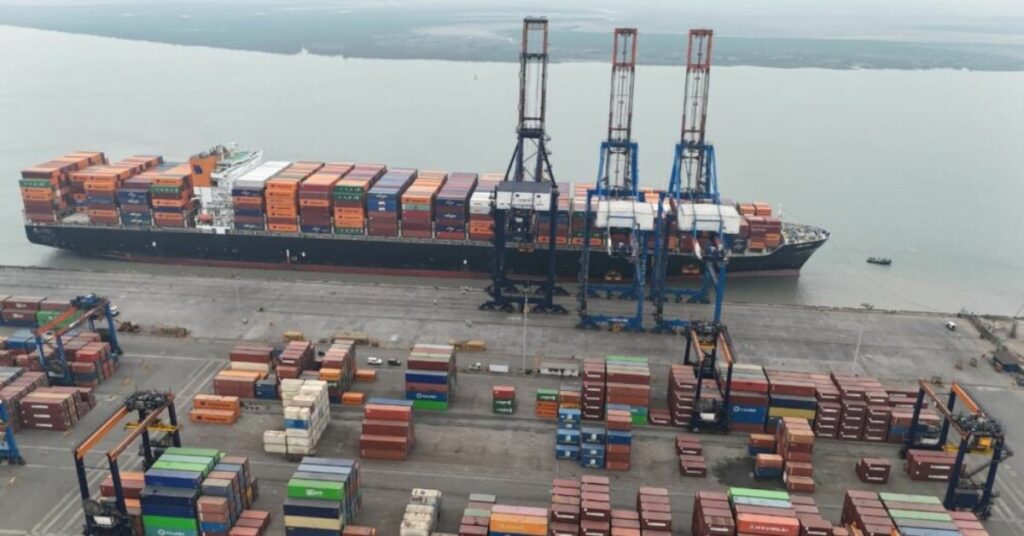
As zero-duty trade reduces tariff friction, price alone stops being the deciding factor. Buyers begin to compare manufacturers on readiness—how reliably they can deliver, scale, and maintain standards over time.
In practice, manufacturing readiness includes:
- Process stability: documented workflows, quality checks, and repeatability
- Capacity planning: the ability to meet demand without last-minute compromises
- Quality consistency: same output across batches, not just first samples
- Operational discipline: realistic lead times and clear communication
Zero duty may get manufacturers shortlisted, but readiness wins contracts. Manufacturers that invest in systems and controls are more likely to convert interest into long-term orders as New Zealand–India trade volumes grow.
6. Early Movers Will Capture Long-Term Buyers
Zero-duty trade creates a window of opportunity—but it is time-bound. Manufacturers that prepare early tend to become default partners once trade flows increase.
Why early movers win:
- Buyers prefer partners who are already validated
- Early alignment builds trust before demand spikes
- Capacity gets locked in by manufacturers who plan ahead
- Late entrants face higher competition and scrutiny
Manufacturers who wait until zero duty is fully implemented often find that buyers have already shortlisted reliable partners. Preparing early—by tightening documentation, origin clarity, and production discipline—positions manufacturers for repeat business, not one-off enquiries.
7. Zero Duty Encourages Long-Term Manufacturing Partnerships
Zero duty trade shifts the relationship between buyers and manufacturers from transactional to strategic. When tariff uncertainty is removed, buyers are more willing to commit to longer horizons—but only with manufacturers who can support continuity.
What this means for manufacturers:
- Greater emphasis on repeatability over one-time wins
- Increased likelihood of framework agreements and ongoing volumes
- More collaboration on specifications, tooling, and improvements
- Stronger expectations around delivery discipline and responsiveness
In a zero-duty environment, buyers aren’t just comparing quotes—they’re selecting partners. Manufacturers that demonstrate stability and alignment are more likely to be embedded into buyers’ supply plans as New Zealand–India trade deepens.
8. Compliance Gaps Can Be Costly — Even With Zero Duty
Zero duty does not reduce scrutiny; in many cases, it raises it. As tariff advantages grow, so does enforcement around eligibility. For manufacturers, small compliance gaps can quickly erase the benefits of zero duty.
Common risks include:
- Incomplete or inconsistent origin documentation
- HS code mismatches across documents
- Changes in sourcing that affect origin thresholds
- Informal processes that don’t scale under audit
The consequences can be severe:
- Loss of zero-duty treatment
- Duty reassessments on shipped goods
- Delays that damage buyer trust
- Increased inspection frequency on future consignments
Manufacturers that treat compliance as an operational constant—not a last-minute task—are better positioned to protect margins and maintain long-term relationships under the zero-duty framework.
9. Scale Will Matter After Implementation
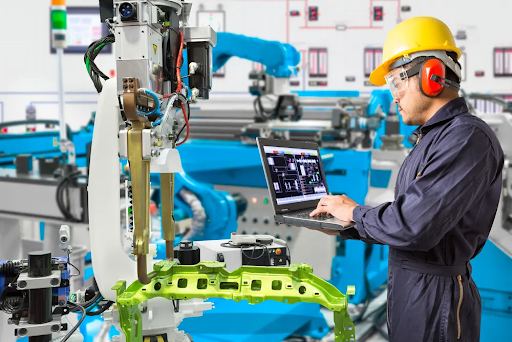
Once zero-duty trade is fully implemented, demand tends to concentrate quickly around manufacturers that can scale without compromising quality or compliance. Interest may rise across the board, but sustained volumes flow to those who can handle growth predictably.
For manufacturers, this means:
- Capacity planning becomes a competitive lever
- Inconsistent suppliers are filtered out early
- Buyers favour partners who can grow with them
- Operational bottlenecks become deal-breaker
Zero duty lowers entry barriers, but scale determines staying power. Manufacturers that prepare systems, people, and processes for higher throughput are better positioned to capture ongoing demand as New Zealand–India trade matures.
10. Zero Duty Trade Is a Long-Term Signal — Not a One-Time Event
Perhaps the most important thing manufacturers must understand is this: zero duty trade is not a short-term incentive. It signals a deeper, long-term economic alignment between New Zealand and India.
What this signals to manufacturers:
- Buyers are planning multi-year relationships, not spot sourcing
- Trade stability matters more than temporary price advantages
- Credibility compounds over time under formal trade frameworks
Manufacturers who view zero duty as a quick win often miss the bigger opportunity. Those who see it as a market-access window—and invest accordingly—stand to build durable international relationships that outlast any single agreement.
Where Manufyn Fits In
As zero-duty trade reshapes expectations, manufacturers need more than awareness—they need structure and readiness. Translating trade policy into repeatable, compliant, and scalable business relationships is where many manufacturers struggle.
Manufyn works with manufacturers navigating free trade frameworks by helping them:
- Align operations with trade and origin requirements
- Build credibility with global buyers
- Reduce friction between policy, compliance, and execution
The goal is not just to access opportunity—but to sustain it.
FAQs for New Zealand–India Zero Duty Trade
New Zealand–India zero duty trade refers to the removal of customs tariffs on eligible goods traded between the two countries under the India–New Zealand Free Trade Agreement (FTA), subject to rules of origin and compliance requirements.
The India–New Zealand FTA has been concluded and is expected to be signed soon, with implementation targeted for 2026. Zero duty benefits apply only after the official implementation date.
No. Zero duty removes customs tariffs only. Other charges such as GST, freight costs, and regulatory compliance requirements still apply.
Eligibility depends on whether the goods meet the rules of origin defined in the FTA. Products must genuinely originate in India or New Zealand as per agreed thresholds—not just be shipped from there.
Rules of origin determine where a product is considered to be made. They ensure zero duty benefits apply only to goods that have sufficient manufacturing or value addition in India or New Zealand.
Yes. Unlike temporary tariff relief, zero duty under an FTA is structural and long-term, unless renegotiated or terminated by either country.
Zero duty improves cost competitiveness but also raises expectations around origin clarity, documentation accuracy, compliance discipline, and scale readiness. Manufacturers that are trade-ready benefit the most.
Yes. If origin documentation is incorrect or compliance requirements are not met, zero duty benefits can be withdrawn, and duties may be reassessed—even after shipments are completed.
It signals deeper economic alignment, improves trade predictability, and supports long-term supply chain diversification between Asia-Pacific and South Asia.
Businesses should focus on origin transparency, documentation accuracy, compliance readiness, and operational scalability well before implementation to fully benefit from zero-duty trade.
Preparing your manufacturing business for New Zealand–India zero duty trade?
Manufyn helps manufacturers align with free trade frameworks so opportunities convert into long-term growth—not missed potential.
Connect with Manufyn